AI Is Much More Dangerous Than You Think
Nobel laureates, economists, and scientists have signed an urgent warning about the next ten years of AI, yet the people with the most to gain seem utterly uninterested in slowing down. The collision between unchecked ambition and catastrophic risk is…

Is AI your friend or your enemy? Is it a friend to the world, or will it cripple the future of the human race completely? An AI Armageddon. Many people in business can do their jobs more efficiently. Others face replacement by AI and the possibility that they won’t be employed in their industry again.
What about the environmental cost of AI data centers? They drive up electricity prices (a debate). They use millions of gallons of water a day. Has anything threatened the US water supply so completely?
For corporate leaders, it is a road to efficiency. For corporate leaders, it is too expensive, and some have begun to adopt Chinese models. According to CNBC, “Chinese AI models are gaining ground with U.S. companies as OpenAI, Anthropic costs surge.”
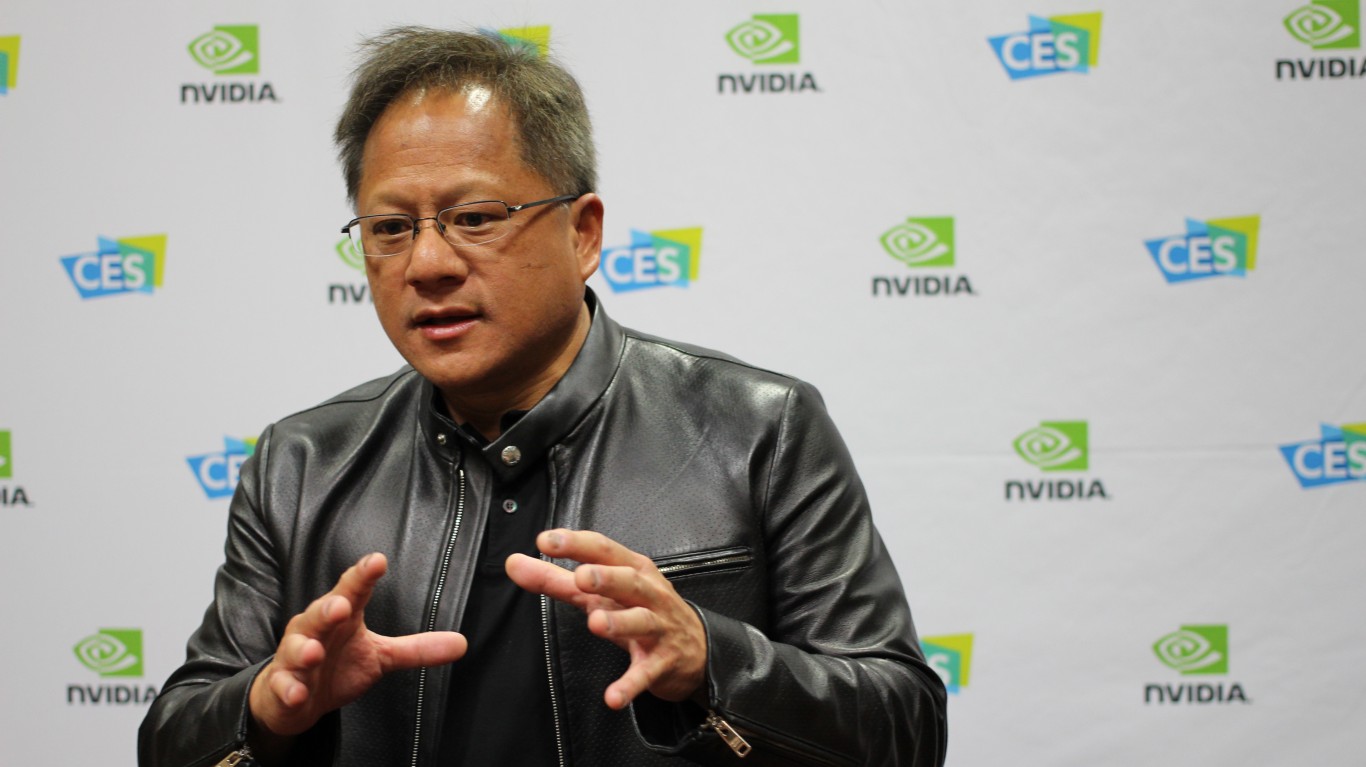
Has AI started a stock market bubble? Has it inflated the value of companies like Nvidia (NASDAQ: NVDA | NVDA Price Prediction), which is the industry’s arms merchant? When OpenAI goes public, will it be worth a multiple of what it will be worth a year or two from now, when it burns through its capital? Are mega-tech stocks burning through the massive amounts of cash on their balance sheets?
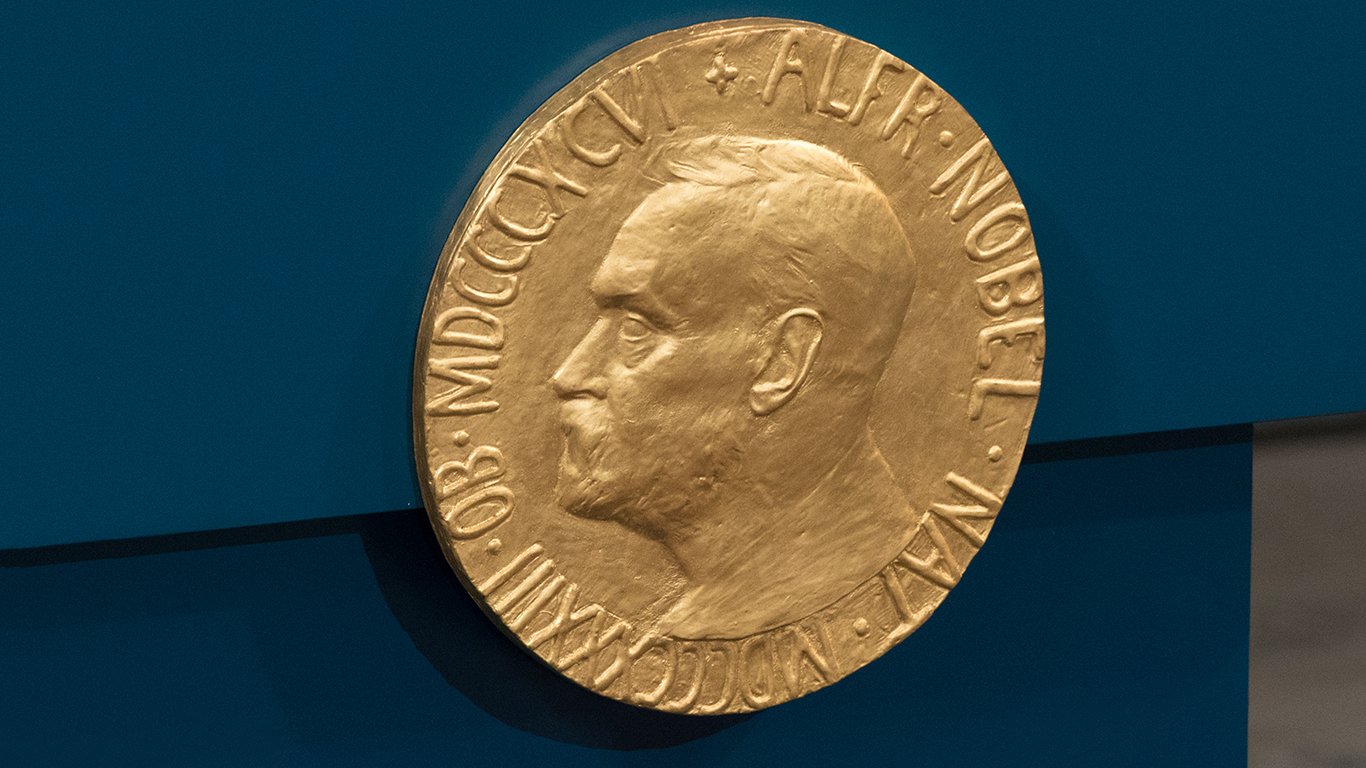
Nobel Prize winners and some of the world’s leading economists and scientists think they know the answer. They have released a statement titled “We Must Act Now: A Statement on AI’s Transformation of the Economy.” A total of 15 Nobel Prize winners and approximately 200 others signed the statement. Their primary concern is the next ten years. The statement also implores the world’s leaders.
One of the authors, Daron Acemoglu, Nobel Laureate and Institute Professor at MIT, said: “The scale, scope, and speed of the advances in AI, combined with a high level of uncertainty about the magnitude and timing of the impacts across many parts of the economy, call for an ‘all hands on deck’ approach to steering AI in beneficial directions.” Others who signed made similar statements.
There have been several suggestions about “guardrails” on AI. They have largely been ignored. AI companies, the leaders and investors, are in a race that no one wants to lose. US AI firms are worried that they will be overtaken by Chinese models. Those who are slow in the race will be trampled.
And, there is the money. Nvidia is the most valuable company in the world, with a market cap of $4.3 trillion. That is up 1,020% in the last five years.
While “We Must Act Now: A Statement on AI’s Transformation of the Economy” may be the most powerful statement of the threats of AI, it appears to have been largely ignored.
Contact [email protected] for any questions or corrections.
Douglas A. McIntyre is the co-founder, chief executive officer and editor in chief of 24/7 Wall St. and 24/7 Tempo. He has held these jobs since 2006.
McIntyre has written thousands of articles for 24/7 Wall St. He is an expert on corporate finance, the automotive industry, media companies and international finance. He has edited articles on national demographics, sports, personal income and travel.
His work has been quoted or mentioned in The New York Times, The Wall Street Journal, Los Angeles Times, The Washington Post, NBC News, Time, The New Yorker, HuffPost USA Today, Business Insider, Yahoo, AOL, MarketWatch, The Atlantic, Bloomberg, New York Post, Chicago Tribune, Forbes, The Guardian and many other major publications. McIntyre has been a guest on CNBC, the BBC and television and radio stations across the country.
A magna cum laude graduate of Harvard College, McIntyre also was president of The Harvard Advocate. Founded in 1866, the Advocate is the oldest college publication in the United States.
TheStreet.com, Comps.com and Edgar Online are some of the public companies for which McIntyre served on the board of directors. He was a Vicinity Corporation board member when the company was sold to Microsoft in 2002. He served on the audit committees of some of these companies.
McIntyre has been the CEO of FutureSource, a provider of trading terminals and news to commodities and futures traders. He was president of Switchboard, the online phone directory company. He served as chairman and CEO of On2 Technologies, the video compression company that provided video compression software for Adobe’s Flash. Google bought On2 in 2009.