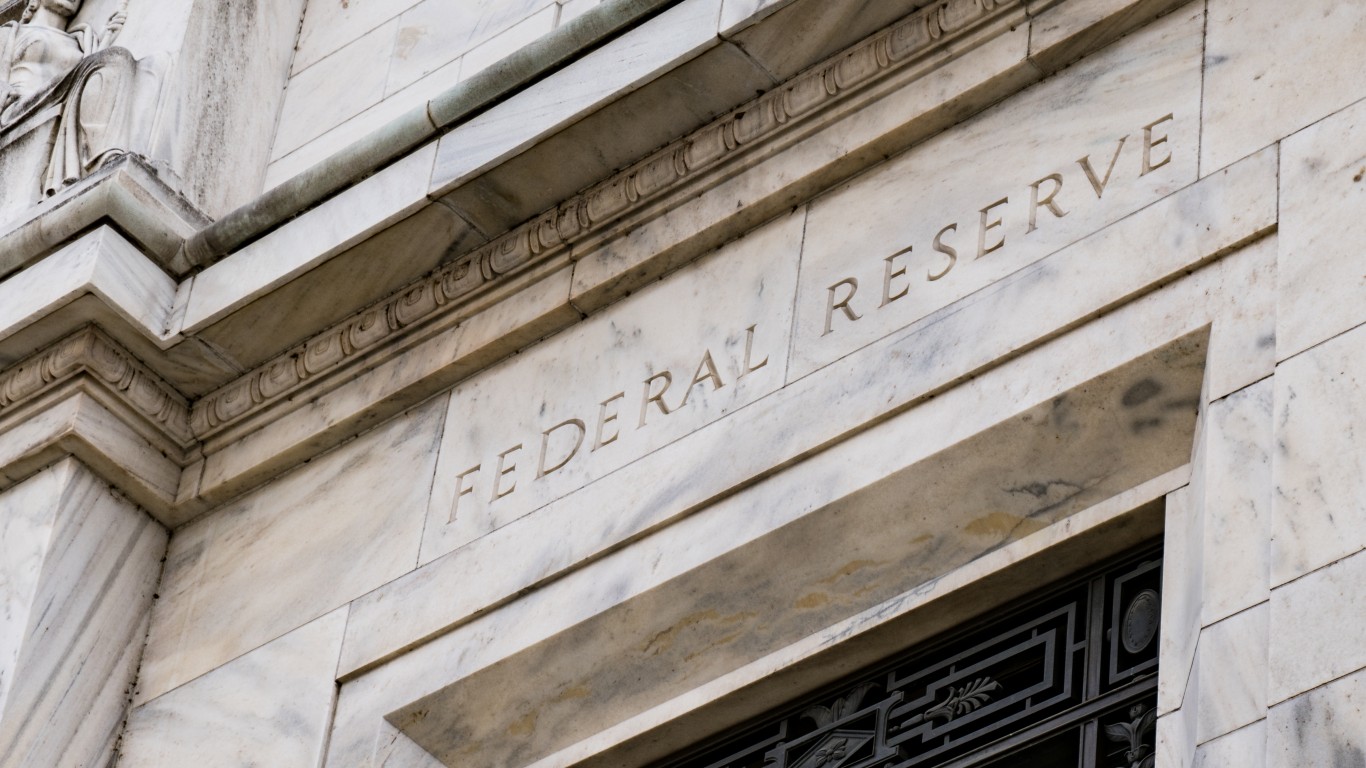
Trump Says Iran Ceasefire Is “Over.” Are Fed Rate Hikes Back On the Table?
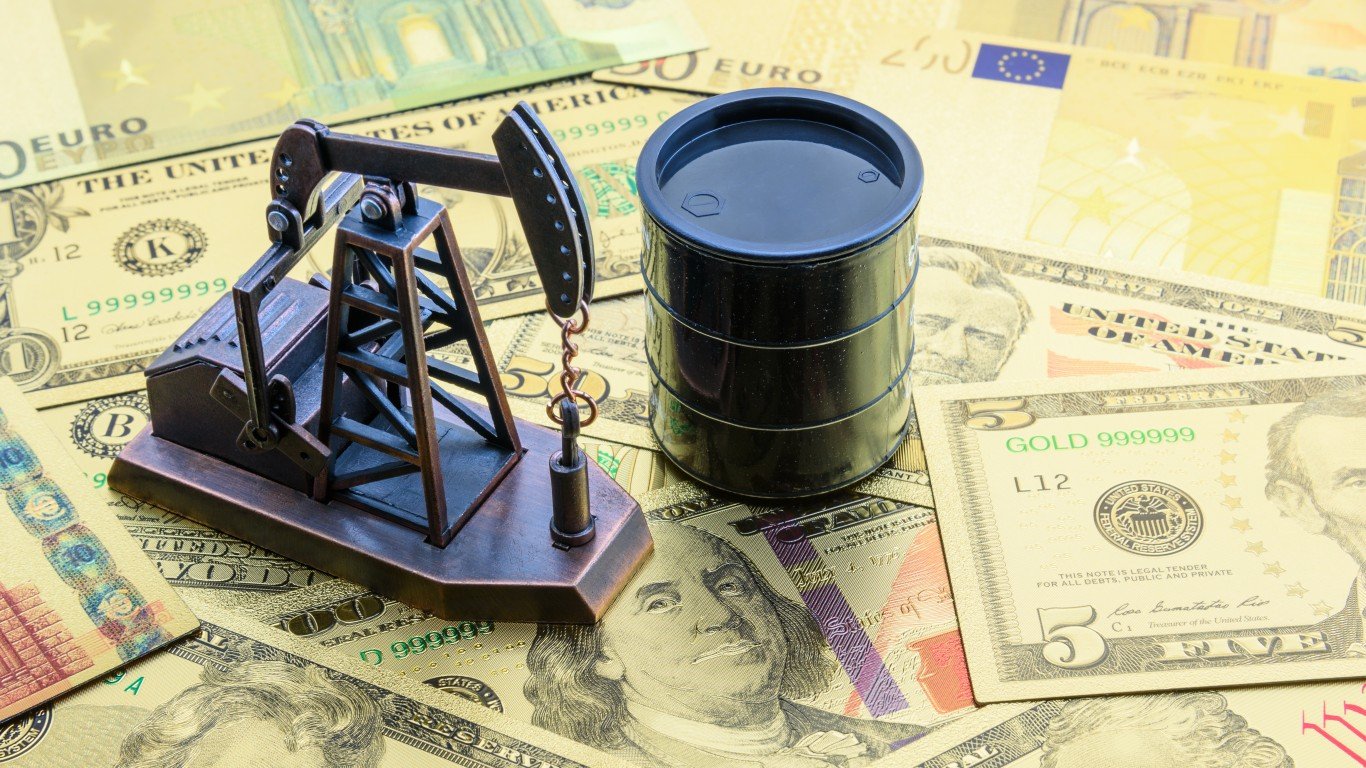
Financial markets had finally begun to breathe easier. The ceasefire between Iran and the U.S. had sent oil prices tumbling from more than $100 a barrel to roughly $68, easing fears that another energy shock would reignite inflation. Combined with…

Financial markets had finally begun to breathe easier. The ceasefire between Iran and the U.S. had sent oil prices tumbling from more than $100 a barrel to roughly $68, easing fears that another energy shock would reignite inflation. Combined with recent economic reports showing slower growth and a cooling labor market, investors increasingly believed the Federal Reserve could keep interest rates unchanged for the rest of the year.
Overnight, however, that outlook shifted. Renewed fighting in the Middle East has put oil back in focus, and with it, the possibility that the Fed may have to fight inflation all over again.
The Ceasefire Didn’t Last Long
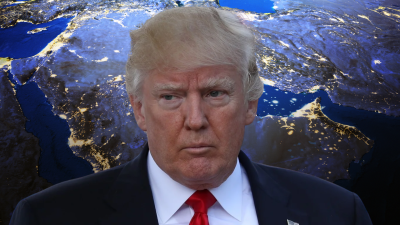
The fragile truce unraveled after Iran reportedly struck three tankers transiting the Strait of Hormuz, prompting renewed U.S. military action overnight. Speaking afterward, President Trump made clear he no longer viewed the ceasefire as meaningful.
“I don’t want to deal with them anymore … as far as I’m concerned, it’s over.”
Trump added that negotiators were free to continue discussions with Tehran, but called it “a waste of time dealing with” Iran.
Markets responded almost immediately. After falling to around $68 per barrel following the ceasefire, West Texas Intermediate crude climbed back toward $74 a barrel after news of the renewed hostilities.
That remains well below the $100-plus levels reached earlier in the conflict, but investors know energy markets can change quickly when supply routes through the Strait of Hormuz come under threat. According to the U.S. Energy Information Administration, roughly one-fifth of the world’s petroleum consumption moves through the narrow waterway each day, making it one of the world’s most important energy chokepoints.
Higher Oil Could Revive the Fed’s Inflation Fight
Recent economic reports had given policymakers reasons for patience. Employment growth has moderated, consumer spending has softened, and several inflation measures outside of energy have continued easing. Those trends suggested the Federal Reserve could leave rates unchanged while evaluating incoming data.
Energy inflation changes that equation. According to the latest data from the U.S. Bureau of Labor Statistics, consumer prices rose 4.2% year over year, with higher gasoline and other energy costs becoming the primary contributor to inflation. If crude continues climbing, gasoline, diesel, jet fuel, and transportation costs could follow, filtering through much of the broader economy.
The change in rate expectations was just as notable. Betting markets priced the odds of a Federal Reserve rate hike at its December meeting at 48% yesterday. By this morning, those odds had climbed to 57%, reflecting investors’ reassessment of inflation risks.
Markets are Watching Oil More Than Politics
Granted, the Federal Reserve is unlikely to react to one day’s move in oil prices. Its next meeting later this month will probably still result in rates remaining unchanged.
But policymakers also cannot ignore a sustained rise in energy prices if it begins feeding broader inflation. History shows oil shocks often ripple through the economy long after crude prices initially spike.
That leaves investors watching two markets simultaneously. Military developments will influence oil prices, while oil prices could influence Federal Reserve policy. Ironically, a conflict thousands of miles away once again matters more for interest rates than several domestic economic reports released over the past few weeks.
Key Takeaway
In short, the market narrative changed overnight. Just days ago, investors were debating whether the Federal Reserve might cut interest rates. Today, the renewed conflict in the Middle East has revived discussion about whether another rate hike could arrive before the year ends.
Regardless, one day’s price move won’t determine Fed policy. But if crude oil continues climbing from today’s nearly $74 level toward the triple-digit prices seen earlier in the conflict, inflation could accelerate again and force policymakers to keep rates higher for longer — or even resume tightening. For investors, the price of oil has once again become one of the most important indicators to watch.
Contact [email protected] for any questions or corrections.
After two decades of patrolling the dark corners of suburbia as a police officer, Rich Duprey hung up his badge and gun to begin writing full time about stocks and investing. For the past 20 years, he’s been cruising the markets looking for companies to lock up as long-term holdings in a portfolio while writing extensively on the broad sectors of consumer goods, technology, and industrials. Because his experience isn’t from the typical financial analyst track, Rich is able to break down complex topics into understandable and useful action points for the average investor. His writings have appeared on The Motley Fool, InvestorPlace, Yahoo! Finance, Money Morning, and, of course, 24/7 Wall St. He has been featured in both U.S. and international publications, including MarketWatch, Financial Times, Forbes, Fast Company, and USA Today.