Oil Crashes Below $70. Are Federal Reserve Interest Rate Hikes Behind Us?
Three months ago, investors were bracing for a very different economic outlook.The outbreak of the Iran war sent oil prices surging above $100 a barrel, gasoline costs climbed, and inflation suddenly reemerged as a major concern. Where markets that had…


Three months ago, investors were bracing for a very different economic outlook.The outbreak of the Iran war sent oil prices surging above $100 a barrel, gasoline costs climbed, and inflation suddenly reemerged as a major concern. Where markets that had been debating when the Federal Reserve would begin cutting interest rates, they found themselves now confronting a new possibility: new rate hikes.
Today, the picture looks markedly different. Peace negotiations involving Iran have pushed oil prices back to where they stood before the conflict began, easing one of the biggest inflation pressures facing consumers and policymakers. While that doesn’t guarantee lower interest rates anytime soon, it may remove the strongest argument for raising them further.
Oil Is Back Where It Started
The most important number for American consumers isn’t Brent crude. It is West Texas Intermediate (WTI), the benchmark that drives much of U.S. oil pricing and influences domestic fuel costs more directly than the internationally focused Brent benchmark.
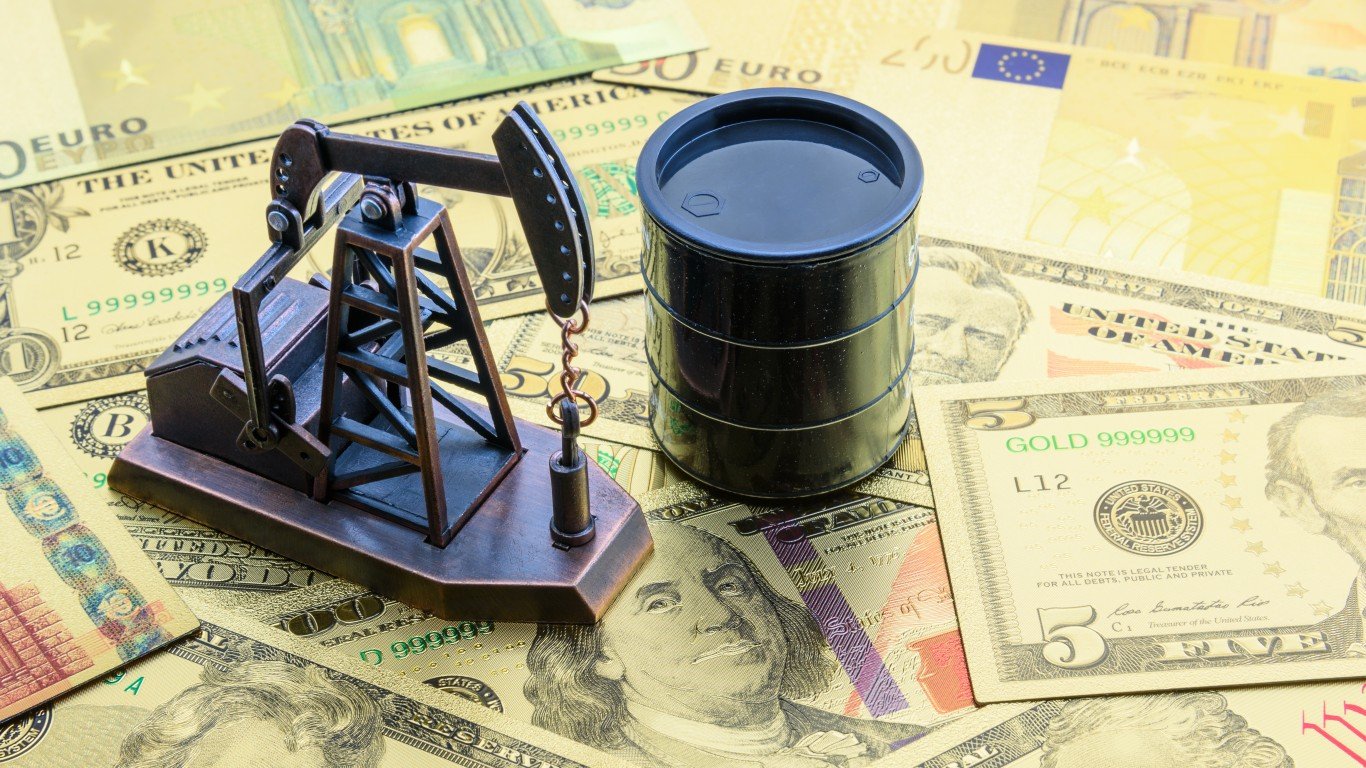
WTI crude recently fell to about $69 per barrel, essentially returning to levels seen before the conflict began. The decline is notable because energy markets spent much of the past three months pricing in supply disruptions, shipping risks, and the possibility of a wider regional conflict.
Here’s what the numbers tell us:
| Metric | Peak During Conflict | Current Level |
| WTI Crude Oil | Above $119 per barrel | $69.90 per barrel |
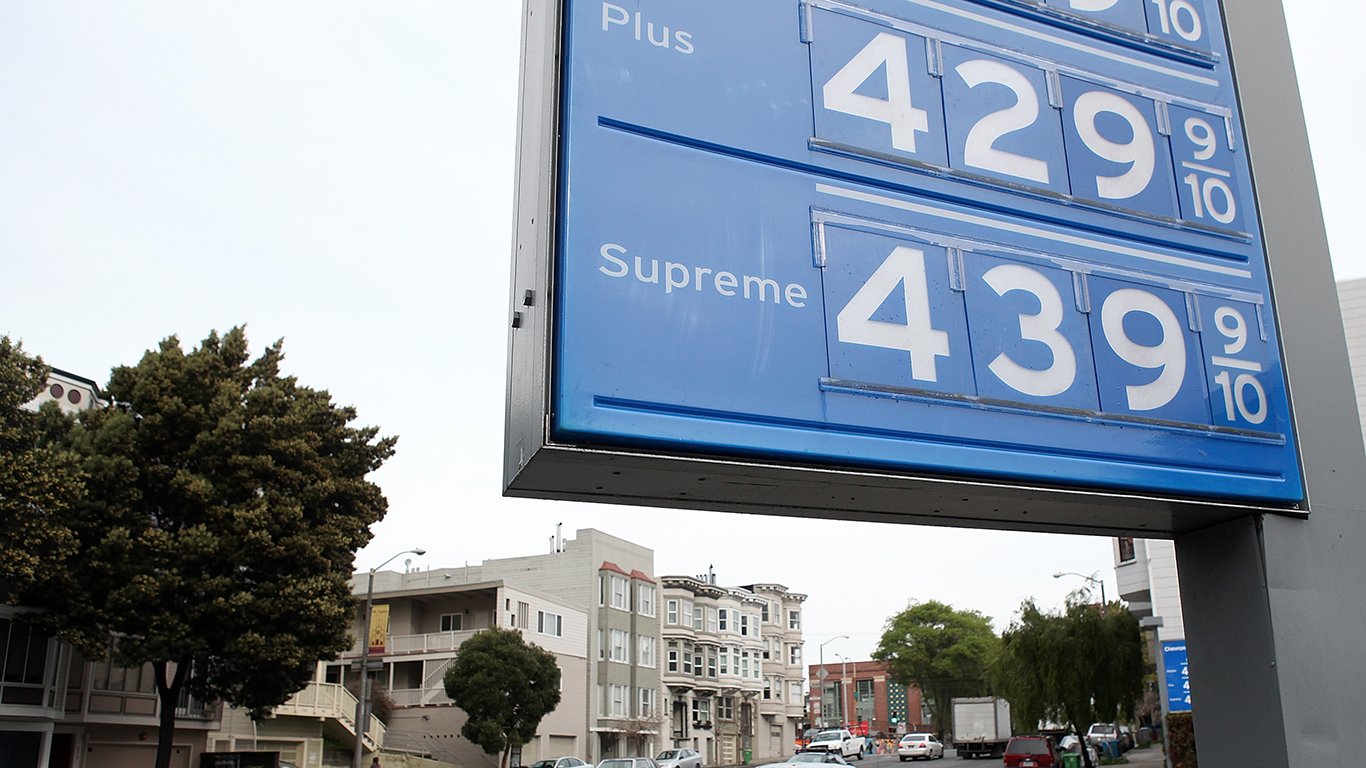
| U.S. Average Gasoline Price | Above $4.50 per gallon national average | $3.92 per gallon |
| Local Gas Prices (Many Markets) | Near $7.00+ per gallon | Around $3.00 per gallon |
Gasoline prices have been slower to respond than crude oil prices, a common occurrence due to refining, transportation, and inventory costs. President Trump has argued that prices are not falling fast enough to reflect the drop in crude and has called for further declines at the pump.
Regardless of politics, consumers would likely agree. Energy costs touch nearly every corner of the economy.
Why Lower Oil Matters So Much for Inflation
Energy is unique because it influences far more than what drivers pay at the gas station.
Higher oil prices raise transportation costs, increase manufacturing expenses, boost airline fares, and push up the cost of moving goods across the country. Those higher expenses eventually find their way into consumer prices.
That dynamic was visible throughout the conflict. Inflation accelerated even as many other categories remained relatively contained. Housing costs continued moderating, wage growth remained manageable, and supply chains avoided the disruptions that characterized the post-pandemic period.
Energy was the standout problem. Granted, inflation does not disappear overnight when oil falls. Businesses often take time to pass lower costs on to consumers. But if crude remains near $69 per barrel — or goes lower — the disinflationary effects should gradually ripple through the economy during the coming months.
The Fed May Be Able to Stand Down
Before the conflict began, investors were discussing rate cuts. After inflation started moving higher, that conversation changed quickly.
A number Federal Reserve officials began signaling concern that inflation could become entrenched again if energy prices remained elevated. The possibility of additional rate hikes, which seemed unlikely earlier in the year, returned to the discussion.
Now that calculation may be changing once again. If energy was the primary driver behind the recent inflation spike, falling oil prices reduce the urgency for tighter monetary policy. That does not automatically create a path to lower rates. Fed officials will still want evidence that inflation is moving sustainably toward their target. But the case for raising rates appears weaker today than it did just a few weeks ago.
Key Takeaway
In short, the Iran conflict may ultimately leave behind a surprising economic lesson. After three months of higher prices, inflation concerns, and market volatility, oil has returned to roughly where it started, with WTI crude near $69 per barrel and gasoline prices gradually following lower.
For investors, the biggest implication is not necessarily that rate cuts are imminent. It is that additional rate hikes may no longer be the Fed’s most pressing concern. If energy-driven inflation continues to cool, policymakers may be able to keep rates steady and allow lower oil prices to do some of the inflation-fighting work for them.
Contact [email protected] for any questions or corrections.
After two decades of patrolling the dark corners of suburbia as a police officer, Rich Duprey hung up his badge and gun to begin writing full time about stocks and investing. For the past 20 years, he’s been cruising the markets looking for companies to lock up as long-term holdings in a portfolio while writing extensively on the broad sectors of consumer goods, technology, and industrials. Because his experience isn’t from the typical financial analyst track, Rich is able to break down complex topics into understandable and useful action points for the average investor. His writings have appeared on The Motley Fool, InvestorPlace, Yahoo! Finance, Money Morning, and, of course, 24/7 Wall St. He has been featured in both U.S. and international publications, including MarketWatch, Financial Times, Forbes, Fast Company, and USA Today.