Which Stock Provides Higher Returns By Summer’s End, Intel or Micron?
Micron and Intel both crushed earnings, but one stock already tripled while the other gave back gains heading into summer. Before you buy either semiconductor name, the risk-reward gap between them tells a very different story.


Micron Technology (NASDAQ: MU | MU Price Prediction) and Intel (NASDAQ: INTC) have both reported earnings fueling the 2026 semiconductor rally, but their late-summer setups look nothing alike. Micron posted a blowout memory quarter driven by AI accelerators. Intel delivered a sixth straight beat while absorbing restructuring pain. The question is which name carries better risk-reward into August and September.
HBM Fires Micron. Foundry Still Weighs on Intel.
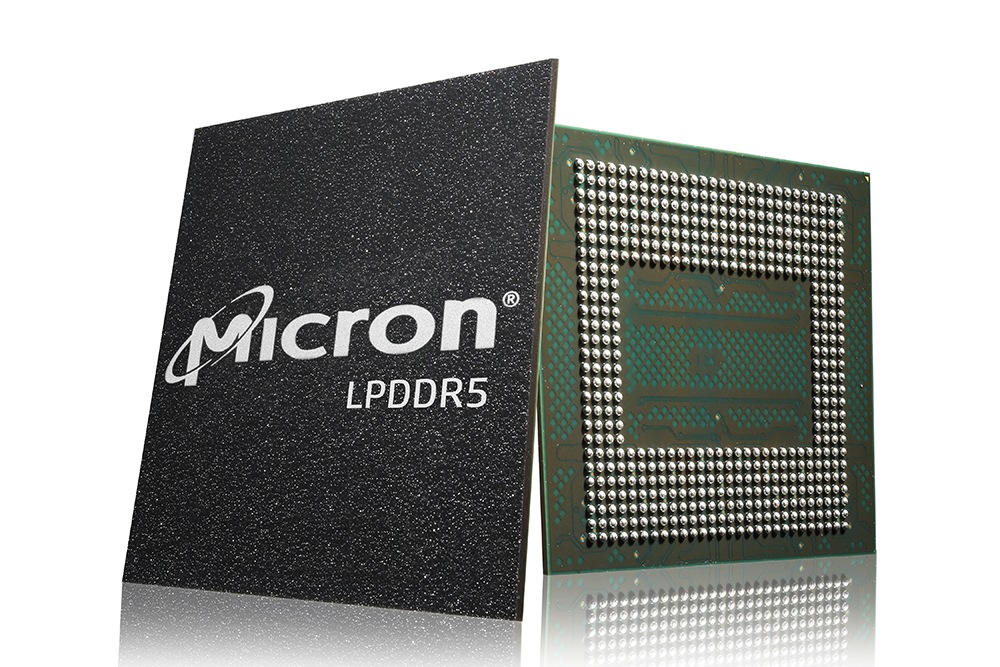
Micron’s fiscal Q3 revenue hit $41.46B, up 345.7% YoY, with non-GAAP EPS of $25.11 and gross margin of 84.6%. Cloud Memory alone contributed $13.77B as HBM4 built on 1-beta DRAM shipped to the lead AI accelerator customer. CEO Sanjay Mehrotra told investors the results “reflect the strategic value of memory in the AI era.” That is the entire thesis in one line.
Intel’s Q1 told a messier story. Revenue of $13.58B grew 7.2% YoY, and non-GAAP EPS came in at $0.29. A $4.07B restructuring charge tied to Mobileye drove a GAAP net loss of -$3.73B. Data Center and AI grew 22% YoY to $5.05B, helped by Intel Xeon 6 being selected as host CPU for NVIDIA (NASDAQ: NVDA)’s DGX Rubin NVL8 systems. Progress, yes, but Foundry losses continue to bleed cash.
| Business Driver | Micron | Intel |
| Main Growth Engine | HBM and Cloud Memory | Xeon plus Foundry ramp |
| Q3/Q1 Gross Margin | 84.6% GAAP | 41.0% non-GAAP |
| Free Cash Flow | $18.30B | -$3.87B |
Cash Machine vs. Turnaround Grind
Micron generated $25.39B in operating cash flow last quarter and guided Q4 revenue to $50.0B with gross margin near 86%. Multi-year Strategic Customer Agreements lock in HBM4 supply, which Mehrotra says will “significantly enhance the durability and predictability” of results. Intel’s Lip-Bu Tan is playing a longer game, framing the shift “from foundational models to inference to agentic” AI as a tailwind for Xeon and advanced packaging. Execution on Intel 18A and 14A is the wild card.
The Next Test Is Whether Micron Holds Its Bid
Micron trades at $970.82, down 14.38% over the past month despite the beat, yet up 240.36% year to date. Analyst consensus target sits at $1,491.95. Intel has re-rated 185.77% YTD to $105.45, with an analyst target near $106.70. That is roughly no upside on consensus. Polymarket traders assign 87.5% odds to Intel beating Q2, so a fresh earnings report could jolt shares either way.
Why I Lean Toward Micron Into September
The data favors Micron on risk-reward. You have record free cash flow, an 86% guided gross margin, and a stock that coughed up 14% of its June highs. That fits the profile of an oversold rebound setup. Intel’s turnaround under Tan is real, but with the stock nearly tripled year to date and analyst targets barely above spot, the easy money looks priced in. Memory is the cleaner AI exposure through summer’s end. I would only flip that view if HBM pricing rolls over or Intel’s Q2 earnings report reveals real Foundry margin traction.
Contact [email protected] for any questions or corrections.
Alex Sirois is a financial writer with experience spanning both retail and institutional investing. He has written for InvestorPlace and held roles at BNY Mellon and Bernstein, giving him a perspective that bridges Main Street portfolios and Wall Street analysis.
Alex holds an MBA from George Washington University and has built his career across multiple industries, including e-commerce, education, and translation — a breadth of experience that informs how he breaks down complex financial topics for everyday investors. His writing is conversational, actionable, and grounded in long-term, buy-and-hold investing principles.
At 247 Wall St., Alex focuses on delivering analysis that is both accessible and useful, with a clear emphasis on helping readers make more informed decisions with their money.