Musk Refuses to Confirm It, But This SpaceX Rumor Should Terrify Every Tesla Investor
Elon Musk had a chance to kill the SpaceX merger rumor on Tesla's earnings call and chose not to, leaving shareholders to absorb a risk that one major bank says could cost them dearly.

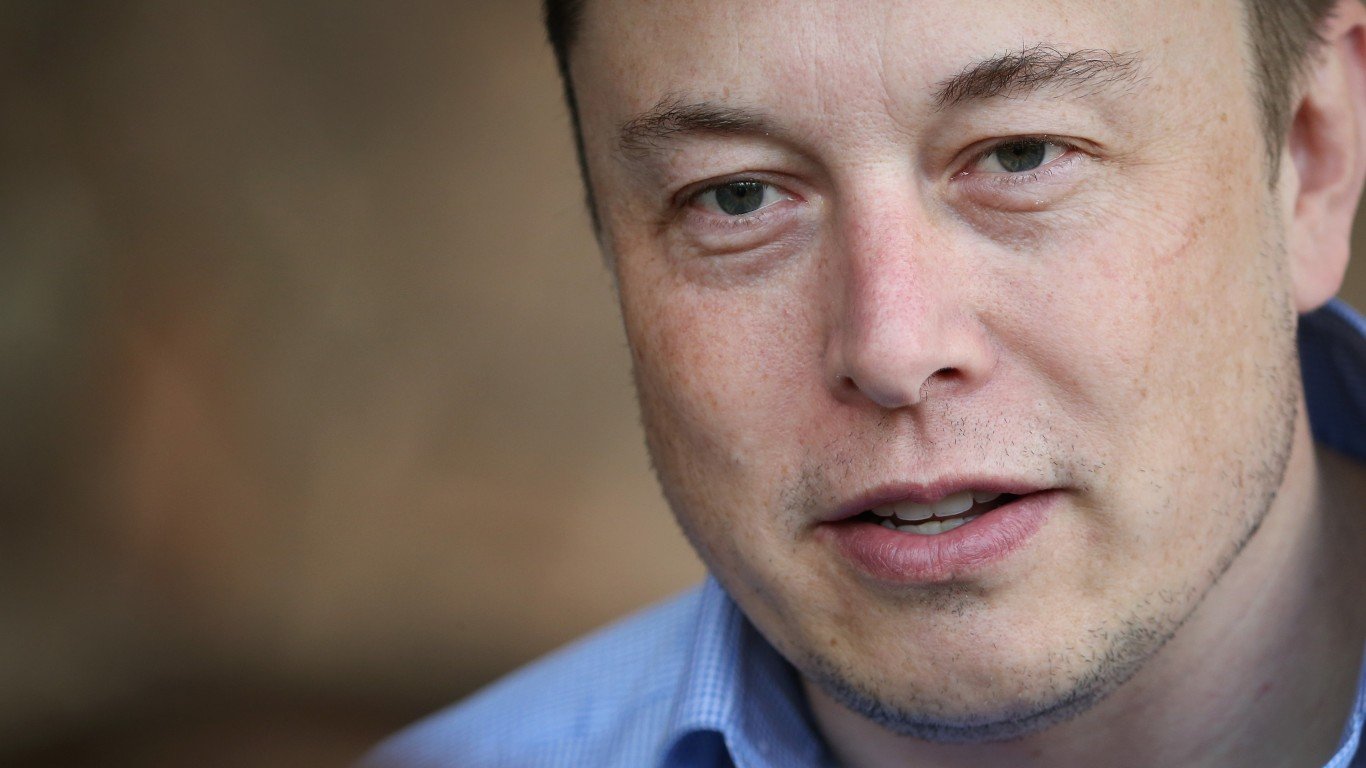
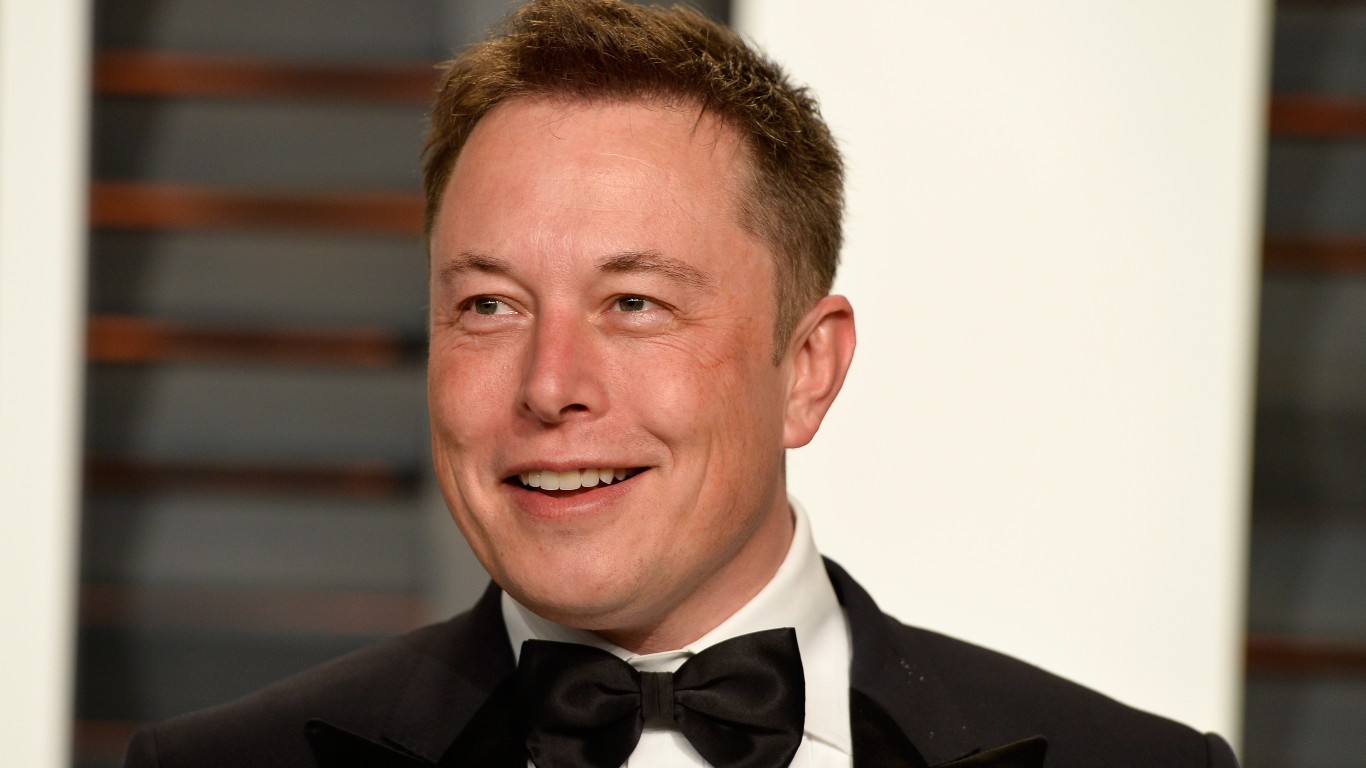
On Wednesday’s earnings call, Elon Musk stopped short of confirming a Tesla-SpaceX merger and did something arguably worse for shareholders of Tesla (NASDAQ:TSLA | TSLA Price Prediction): he refused to shut the door.
Asked about synergies between his automaker and SpaceX, Musk told analysts, “Well, as you can tell from all the many collaborations on so many fronts with SpaceX, there’s more and more overlap, especially with Terafab, that’s really going to be a gigantic project.” He then pulled back, adding, “But obviously, we can’t talk about combining companies and that kind of thing on an earnings call, it has got to be done with the appropriate process.” Nothing was confirmed. Nothing was denied.
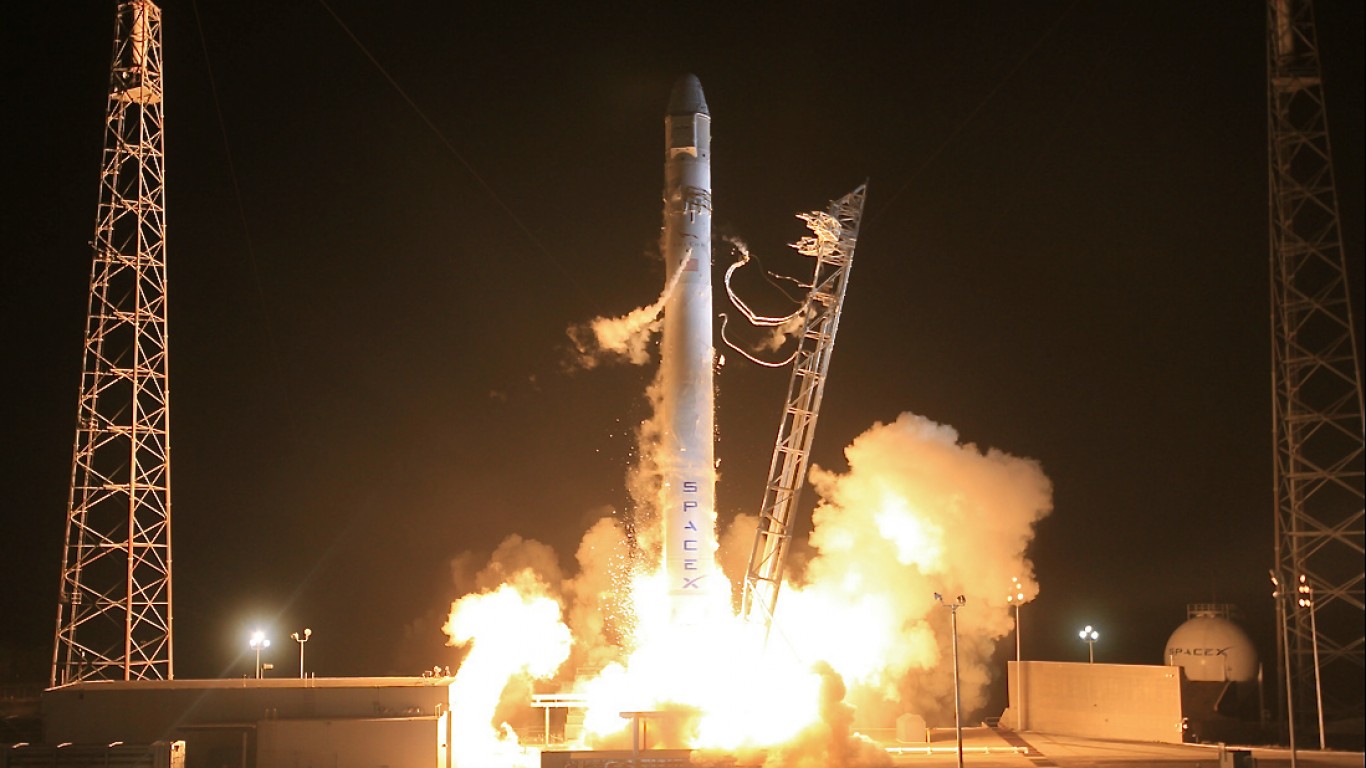
The overlap Musk referenced is already visible. Starlink connectivity is built into Cybertruck and planned across Tesla’s fleet, including Cybercab. The Grok chatbot is embedded in Tesla vehicles, Tesla is supplying batteries and manufacturing know-how to SpaceX, and Terafab is a jointly relevant AI chip facility. Q1 disclosures flagged a semiconductor fab under construction in Austin, and Tesla previously took a $2 billion equity stake in SpaceX. The integration is already operational.
The Dilution Problem
Here is the part that should worry Tesla holders. BNP Paribas notes SpaceX’s cash flow is sharply negative. SpaceX is expected to burn roughly $30 billion this year and as much as $194 billion cumulatively through 2030. Folding that into Tesla would almost certainly require fresh equity raises, diluting existing shareholders. BNP Paribas has separately argued a merger “won’t save investors.”
That warning lands on top of a quarter that already rattled the base. Tesla posted Q2 2026 revenue of $28.24 billion, up 25.52% year over year and ahead of consensus, but non-GAAP EPS of $0.33 missed the $0.5367 estimate by 38.51%. Operating margin compressed to 1.4%. Gross margin slipped to 16.8% from 17.2% a year earlier. Free cash flow swung to a negative $1.092 billion as capex jumped 141.81% year over year to $5.789 billion. Shares fell nearly 3% in after-hours trading, and TSLA is now down 16.83% year to date.

Markets are pricing this ambiguity in real time. Deepwater Asset Management’s Gene Munster raised his odds of a Tesla-SpaceX merger from 80% to 90% after the call. Kalshi shows 52% odds of a merger by roughly May 2027. On Polymarket, the year-end 2026 announcement contract sits at 22.5%, with the September deadline at 9.5%.
No terms, structure, or timeline have been confirmed. That is the point. With operating income already down 56.88% year over year and a $25 billion capital budget in flight, Tesla investors now carry a second, unquantified risk: an equity-funded absorption of the most capital-hungry company in Musk’s orbit. Until Musk says otherwise, that risk is priced in and rising.
Contact [email protected] for any questions or corrections.
I've spent more than 15 years inside enterprise software, working alongside the finance, sales operations, and HR leaders who run the revenue engines at some of the largest tech companies in the country.
My day job is helping enterprise executives make smarter decisions about retention, compensation, and growth. These are the same operational levers that show up in every earnings report investors actually read. That perspective shapes my writing for 24/7 Wall St.
The headline numbers are easy. The interesting stuff is underneath: how companies make money, what executives are worried about, and what any of it means for the person checking their 401(k) on a Sunday afternoon. I write about personal finance and business as someone who has spent her career inside the rooms where these decisions get made.