The Iran War Isn’t Stopping and What That Means for Chevron and Exxon Mobil
With the Strait of Hormuz effectively shut and Brent spiking, Exxon and Chevron just reported quarters that reveal two very different bets on how this conflict ends and which major is positioned to win if it drags on.

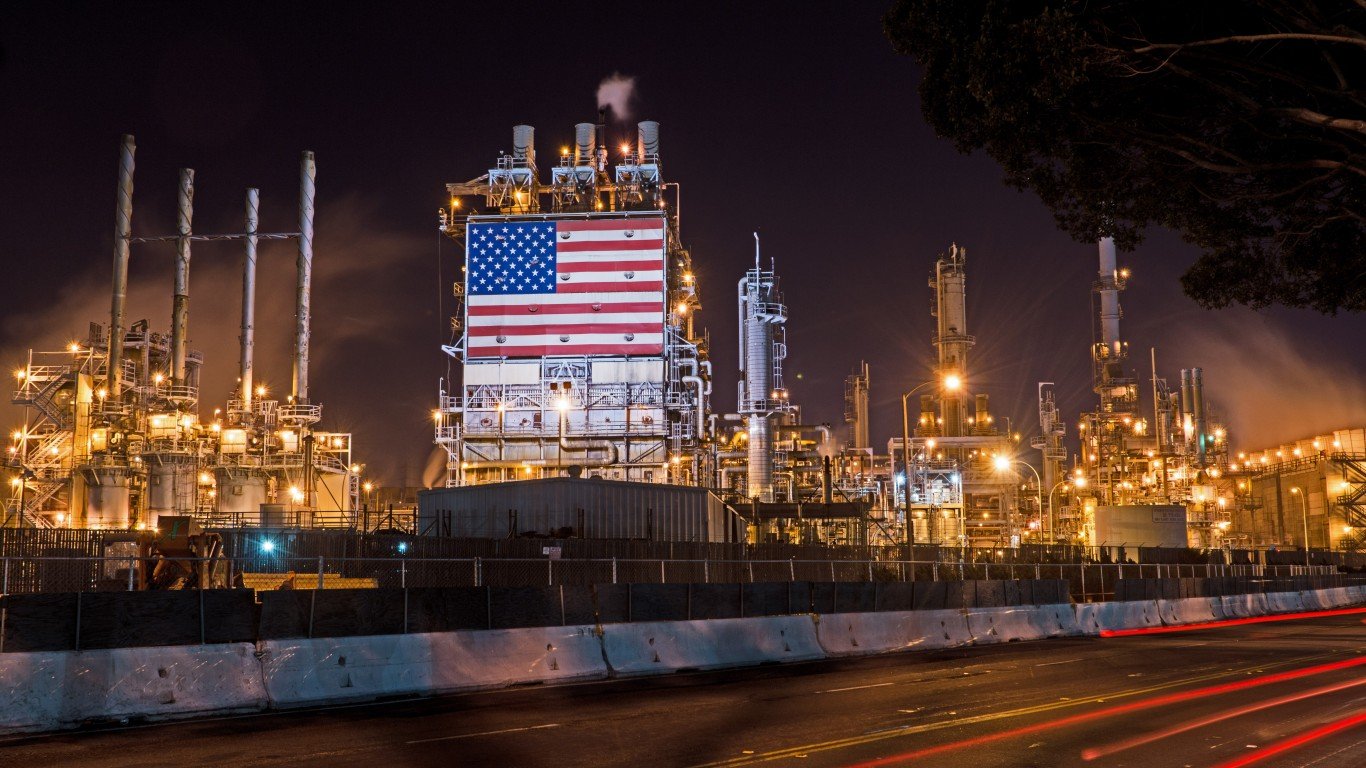
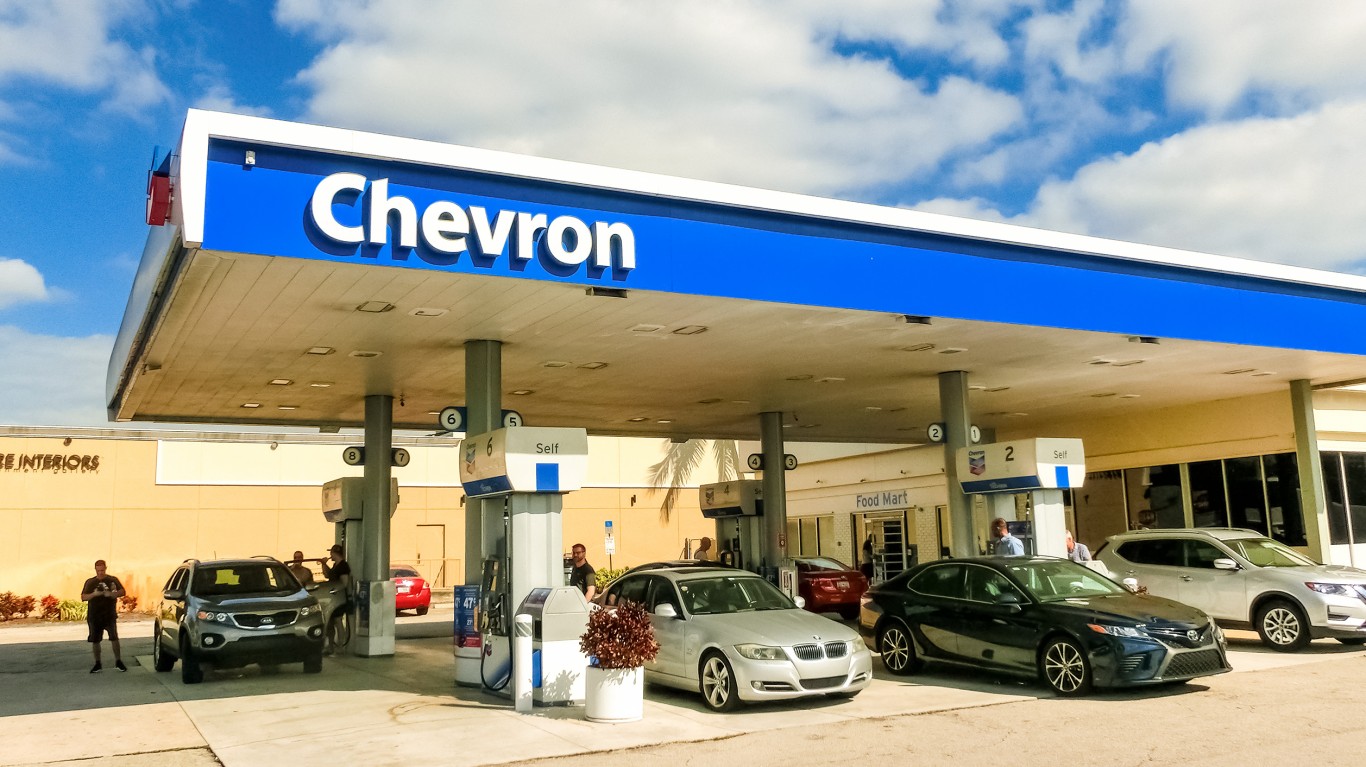
Exxon Mobil (NYSE:XOM | XOM Price Prediction) and Chevron (NYSE:CVX) both reported Q1 2026 results on May 1, 2026, right as the war with Iran reshaped global crude flows. With the Strait of Hormuz effectively closed and Brent recently near $90 per barrel, the two American majors are running the same playbook with very different exposure maps.
How the Quarter Landed for Each Business
Exxon posted adjusted EPS of $1.16 versus $1.01 expected on revenue of $85.14 billion, a solid beat despite $706 million in direct Middle East losses and a $3.88 billion mark-to-market drag on unsettled derivatives. Upstream volumes hit 4.6 million oil-equivalent barrels per day, and CEO Darren Woods framed the quarter bluntly: “Events in the Middle East tested that strength with the safety of our people remaining our top priority.”
Chevron’s beat was larger but messier. Adjusted EPS came in at $1.41 versus $0.97 expected, though revenue of $47.56 billion missed by 9.76% and free cash flow flipped to negative $1.55 billion. Curtailments hit its Tamar and Leviathan operations in Israel, and Mike Wirth leaned on the Hess integration and record U.S. throughput to carry the story.
Cash Machine vs. Hemisphere Hedger
| Lens | XOM | CVX |
| Core Bet | LNG, Guyana, Permian scale | Hess, Gulf of America, Venezuela |
| Middle East Exposure | Physical shipment losses | Israel field curtailments |
| 2026 Buyback Pace | $20B planned | $2.5B quarterly |
Exxon is engineered to convert $100 oil into raw cash. Golden Pass LNG Train 1 shipped its first cargo in April, Guyana output topped 900,000 gross barrels per day, and cumulative structural cost savings since 2019 reached $15.6 billion. Chevron is trading pure upside for geographic insurance. Talks around a $366 billion Iraq-to-Syria pipeline revival aim to bypass Hormuz entirely, and new plays in Libya, Uruguay, and Venezuela widen its Western Hemisphere footprint.
The Next Test Is How Long Brent Stays Elevated
The EIA now expects Brent around $106 per barrel in May and June before easing to $89 by 4Q26, with 10.75 million barrels per day of Middle East production shut in. WTI last traded at $80.77, already off May highs. I will be watching whether Exxon’s LNG cargoes and Permian barrels keep compounding, and whether Chevron’s Hess-era production growth of 15% year over year can offset those Israeli curtailments.
Why I Lean Toward Exxon on This Setup
For me, Exxon is the cleaner Iran-war trade. The 47.24% one-year return against Chevron’s 32.29% reflects tighter operating leverage to crude, and the $20 billion buyback is a real floor. Investors focused on lower operational supply risk and unique Venezuela and Israel optionality may find Chevron’s profile more appealing, especially with a $1.78 quarterly dividend backed by 39 straight years of increases. The key variable for both names is whether Hormuz reopens faster than the EIA expects.
Contact [email protected] for any questions or corrections.
Alex Sirois is a financial writer with experience spanning both retail and institutional investing. He has written for InvestorPlace and held roles at BNY Mellon and Bernstein, giving him a perspective that bridges Main Street portfolios and Wall Street analysis.
Alex holds an MBA from George Washington University and has built his career across multiple industries, including e-commerce, education, and translation — a breadth of experience that informs how he breaks down complex financial topics for everyday investors. His writing is conversational, actionable, and grounded in long-term, buy-and-hold investing principles.
At 247 Wall St., Alex focuses on delivering analysis that is both accessible and useful, with a clear emphasis on helping readers make more informed decisions with their money.