US Solar Power Just Hit a Record High as AI Data Centers Push Electricity Demand to New Highs
American solar farms are setting records while AI data centers consume power at a pace that could outstrip every new megawatt coming online by 2027. Something has to give, and whoever fills the gap will decide what shows up on…

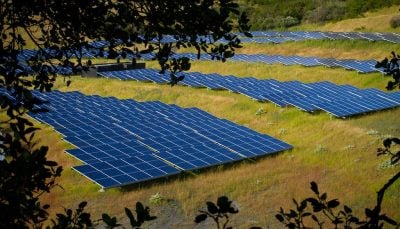
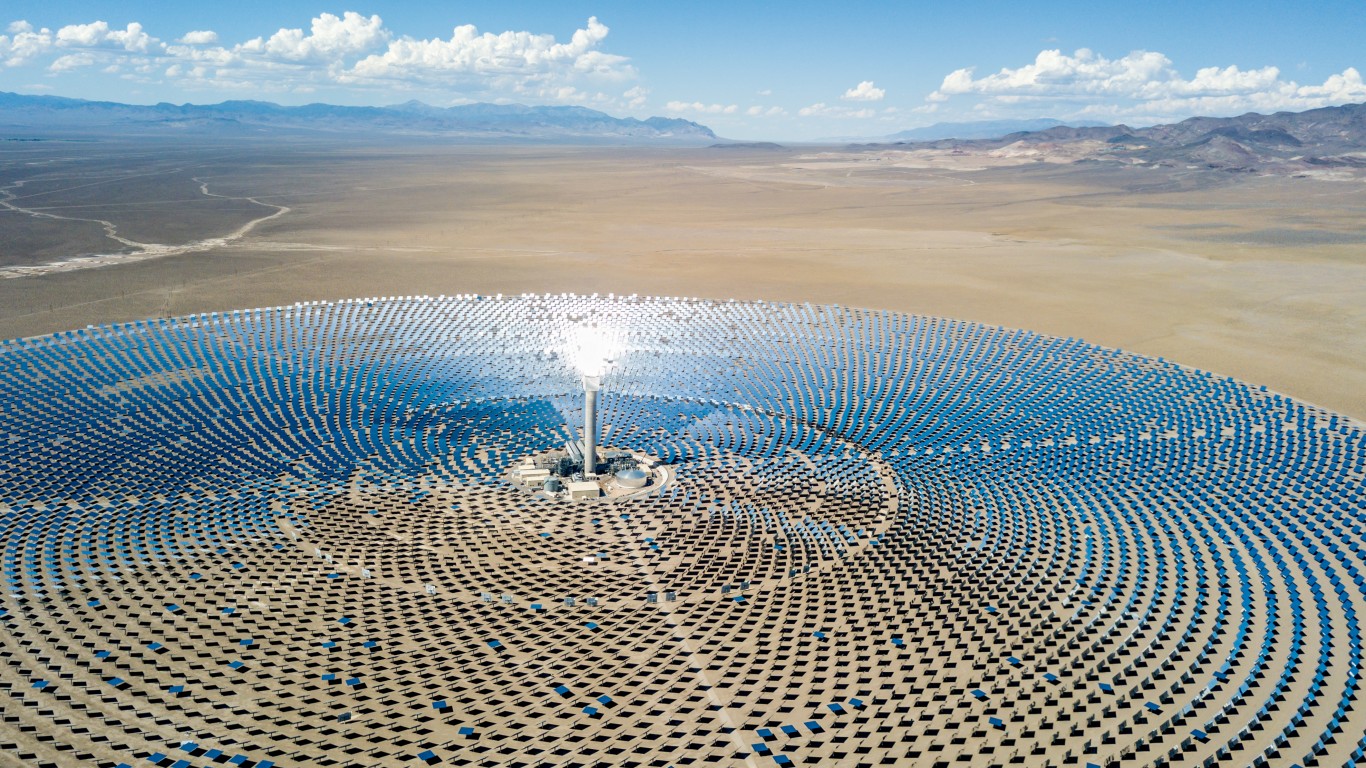
Two US energy records are landing simultaneously, telling the same story. American solar farms just produced their highest monthly output ever, up 21% from a year earlier, according to Energy Information Administration data. Total US electricity demand is grinding to fresh all-time highs, propelled by an AI build-out rewriting utility load forecasts across the country. Solar is sprinting to keep pace with a demand surge that is also pushing power bills higher for households.
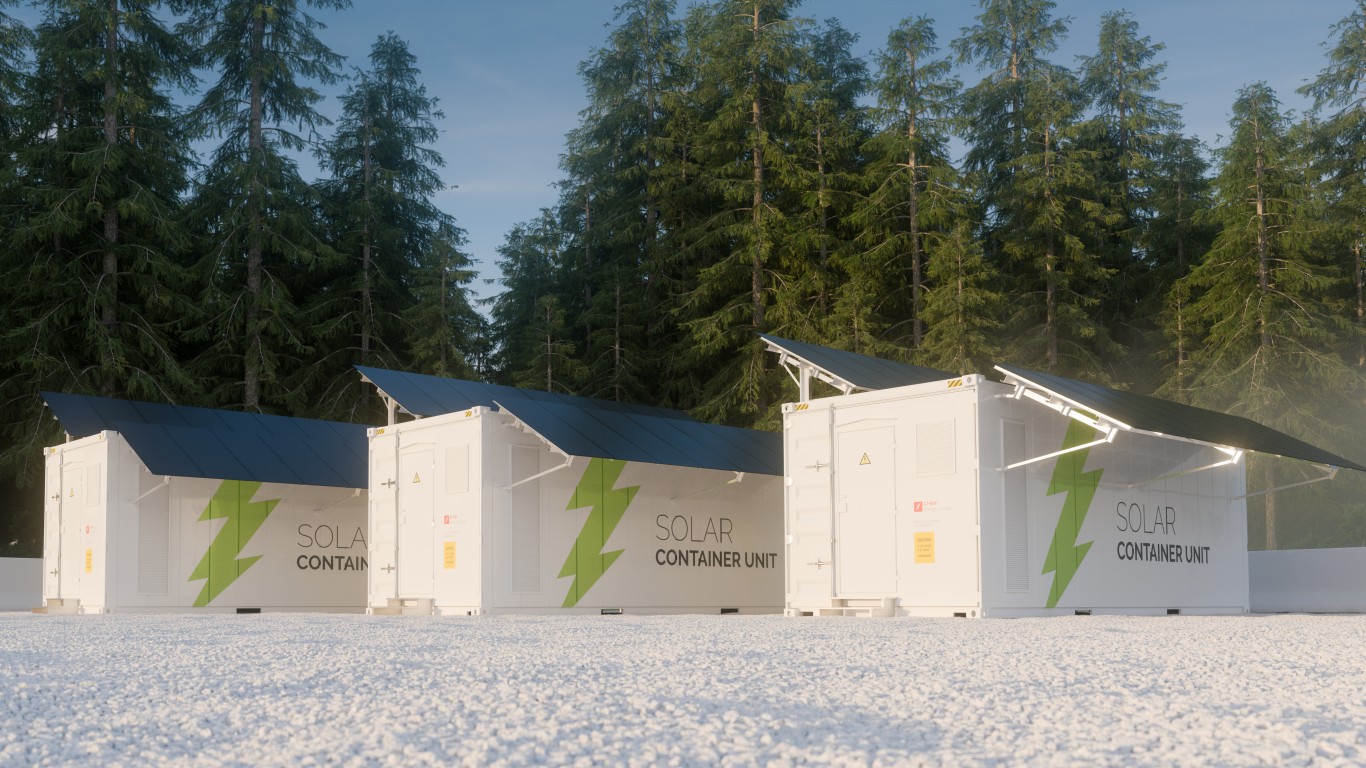
The buildout is unprecedented. Developers are on track to add a record 43.4 GW of new utility-scale solar photovoltaic capacity in 2026, a 60% increase over 2025 and more than 12 GW above 2024’s prior record. Solar accounts for 51% of all new utility-scale generating capacity planned for the US grid this year, out of 86 GW total, followed by battery storage at 28% and wind at 14%. Texas alone is forecast to absorb roughly 40% of the new solar additions.
The shift is showing up in dispatch data. In California’s CAISO grid region, solar generation surpassed natural gas during the first five months of 2026, a marker that would have been unthinkable a few years ago. National forecasts point the same way: the EIA revised its 2026 utility-scale solar generation forecast 1.4% higher in its May outlook after finding more capacity online than expected.
On the demand side, Total US electricity consumption is projected to rise from a record 4,195 billion kWh in 2025 to 4,269 billion kWh in 2026, with new records expected again in 2027. The engine is AI infrastructure. US data center power demand is projected to climb from 31 GW in 2025 to 41 GW in 2026 and 66 GW in 2027, with total data center IT load capacity potentially doubling from about 80 GW in 2025 to roughly 150 GW by 2028. Data centers’ share of US peak summer power demand is projected to rise from 4.1% in 2025 to 5.3% in 2026 and 8.5% in 2027. The Department of Energy projects data centers could account for up to 12% of US electrical demand by 2028.
The two threads meet directly. Renewables, mainly wind and solar, are meeting nearly half of the growth in data center electricity demand globally, with generation for data centers growing at an average 22% annual rate between 2024 and 2030. Hyperscaler power purchase agreements have become the pricing floor under new US solar projects, and domestic module makers are trading on AI narratives.
First Solar (NASDAQ:FSLR | FSLR Price Prediction) is the clearest pure-play. The Tempe-based thin-film manufacturer carries a $22.44 billion market cap and closed its most recent quarter with a 47.9 GW contracted backlog stretching through 2030. First Solar posted record first-quarter revenue of $1.04 billion, up 23.64% year over year, with diluted EPS of $3.22. The stock is down 21.17% year to date, a reminder that markets are pricing the eventual Section 45X credit phase-out scheduled between 2030 and 2033 alongside the demand tailwind.
Consumers are paying for the surge. The national average residential electricity rate rose from 14.92 cents per kWh in 2022 to 18.05 cents per kWh in 2026, a 21% increase over five years. The EIA expects residential prices to rise about 5% in 2026 and roughly 2% in 2027, with the East Coast bearing the sharpest jumps.
The signal to watch is straightforward: whether 43.4 GW of new solar, plus batteries, can close the gap on 66 GW of data center demand by 2027. If it cannot, natural gas fills the difference, and residential bills keep climbing.
Contact [email protected] for any questions or corrections.
I've spent more than 15 years inside enterprise software, working alongside the finance, sales operations, and HR leaders who run the revenue engines at some of the largest tech companies in the country.
My day job is helping enterprise executives make smarter decisions about retention, compensation, and growth. These are the same operational levers that show up in every earnings report investors actually read. That perspective shapes my writing for 24/7 Wall St.
The headline numbers are easy. The interesting stuff is underneath: how companies make money, what executives are worried about, and what any of it means for the person checking their 401(k) on a Sunday afternoon. I write about personal finance and business as someone who has spent her career inside the rooms where these decisions get made.