Billionaire David Tepper Is Betting Big on This Beaten-Down Name
Hedge fund billionaire David Tepper just sent a scathing letter to a company whose stock has collapsed more than 60% in a year, and the size of his bet suggests he sees something Wall Street is missing.

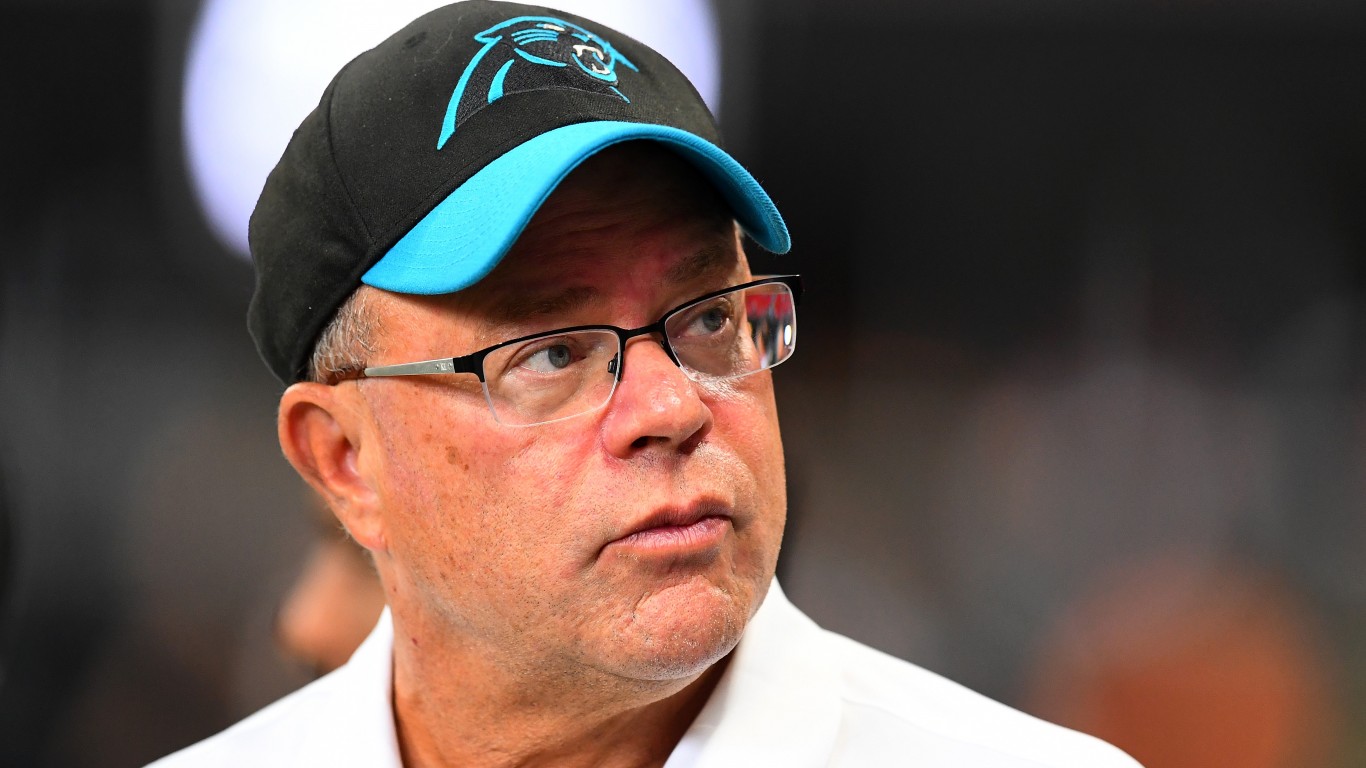
Billionaire hedge fund manager David Tepper is the founder of Appaloosa Management and one of the biggest names on Wall Street. Accordingly, when he goes public with an activist push, investors pay attention.
Tepper did just that sending a scathing letter to Whirlpool’s board that criticized management for destroying shareholder value and demanded sweeping strategic changes. According to Verity data cited in the CNBC report that first obtained the letter, Whirlpool (NYSE:WHR | WHR Price Prediction) was the eighth-largest position in Appaloosa’s portfolio at the end of Q4 2025, valued at roughly $282 million.
The disclosure landed on a stock that has been eviscerated. Whirlpool shares are down 60.87% over the past year and 47.66% year to date, trading around $38.12 against a 52-week high of $94.09. The company’s market capitalization has collapsed to roughly $2.39 billion, and the price-to-book ratio sits at 0.639.

What Tepper Bought and Why It Matters
A $282 million position from a manager known for concentrated distressed bets is a serious signal. Tepper’s letter specifically targeted Whirlpool’s recent equity issuance as dilutive at a cost exceeding 10%, criticized management for failing to capitalize on tariffs, and floated strategic alternatives including partnerships or mergers.
That framing matters, because it converts a passive value bet into an activist catalyst, one where a well-capitalized outside investor is pressuring the board while the underlying business already has multiple structural tailwinds.
The Underlying Thesis
Whirlpool’s fundamentals justify why a contrarian would look here. The company’s Q1 2026 revenue fell 9.6% to $3.27 billion, ongoing loss came in at $0.56 per share, and North America EBIT cratered 96% to just $6 million. That is peak distress. Against that backdrop, management has taken decisive action with the largest price increase in over a decade, a recapitalization generating over $1 billion in proceeds, a planned $900 million in debt reduction, and structural cost takeout of over $150 million for 2026.
CEO Marc Bitzer flagged the strategic edge directly: “with Section 232 changes in favor of domestic manufacturers, Whirlpool Corporation is structurally positioned to win with our American-made products.” Housing starts running at 1.43 million annualized in June 2026 add cyclical optionality. Full-year guidance calls for ongoing EPS of $3.00 to $3.50 and free cash flow above $300 million.

Should Retirement-Focused Investors Follow?
In this case, I think investors would be best-served to follow Tepper with caution. Whirlpool’s current setup rewards patient capital, and Tepper is patient capital.
The risks are meaningful and notable with this particular name, given hat Whirlpool suspended its common dividend to prioritize deleveraging, mandatory convertible preferred stock sits above the common in the capital stack, and the consensus analyst price target of $52.55 reflects a Wall Street rating skew that includes seven holds, one sell, and two strong sells against a single buy. Furthermore, a forward P/E of 45x on depressed earnings underlines how much has to go right for investors to see a meaningful payout.
For retirement-focused readers, I think Tepper’s activist stake plus tariff tailwinds plus a completed recapitalization is a credible turnaround thesis. That said, Whirlpool’s dividend suspension removes the income anchor that historically made the company a portfolio staple. This is a workout situation, not an income holding. Following Tepper here means accepting equity-like volatility for a multi-year re-rating, sized accordingly.

Contact [email protected] for any questions or corrections.
Chris MacDonald is a 24/7 Wall St. contributor and long-time contributor to other notable finance publications, including The Motley Fool and InvestorPlace. With an MBA in Finance, and more than a decade of experience in venture capital and the corporate finance world, Chris brings a long-term perspective to his analysis of equities and alternative assets.
His love of investing and focus on finding quality undervalued stocks is complemented by recent research into alternative assets as well. He takes a long-term approach to analyzing companies and cryptos, with a focus on directing the reader to the most sustainable and important catalysts for each respective potential investment.