Venture Capitalist Warns Meta Will Keep Spending Big on AI Even If Shareholders Hate It
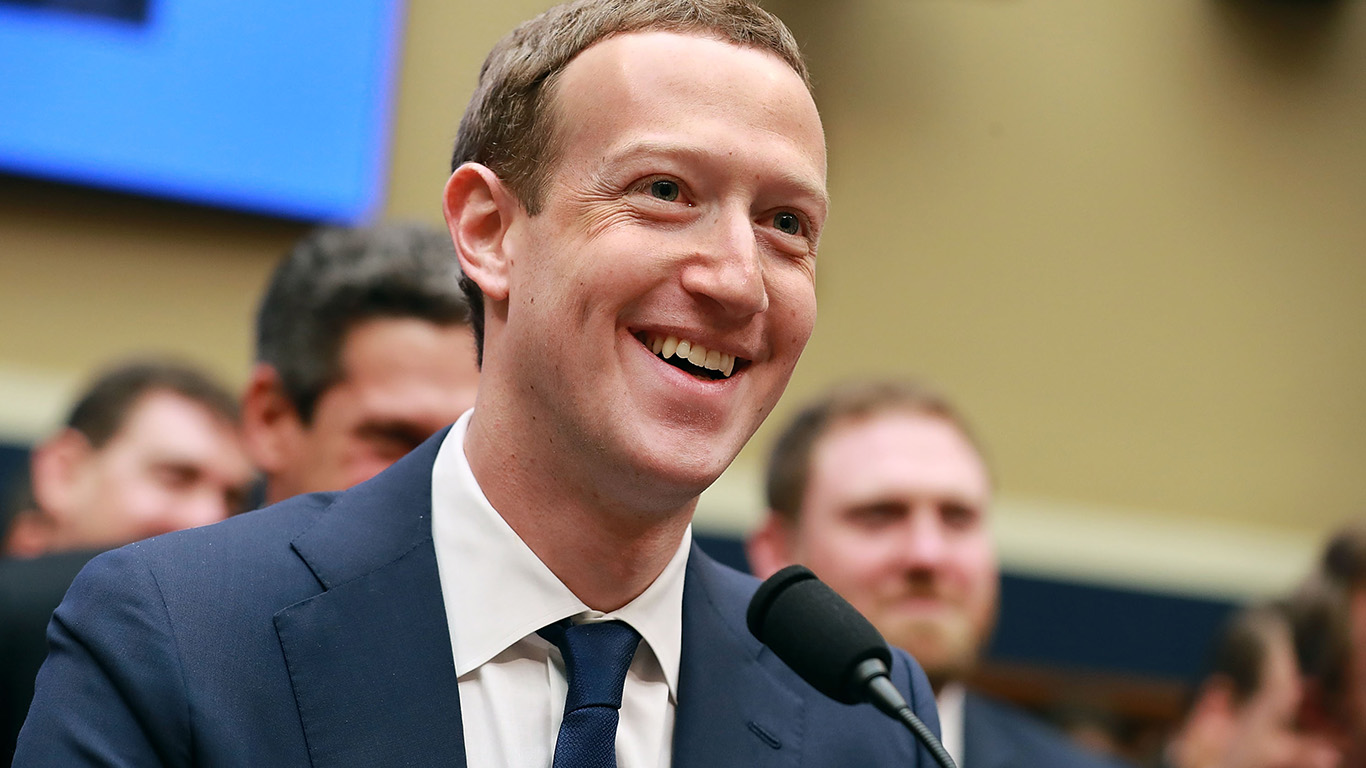
Mark Zuckerberg is treating AI infrastructure like a personal passion project, and one venture capitalist thinks Wall Street may not have enough pull to stop him no matter how loud the complaints get.

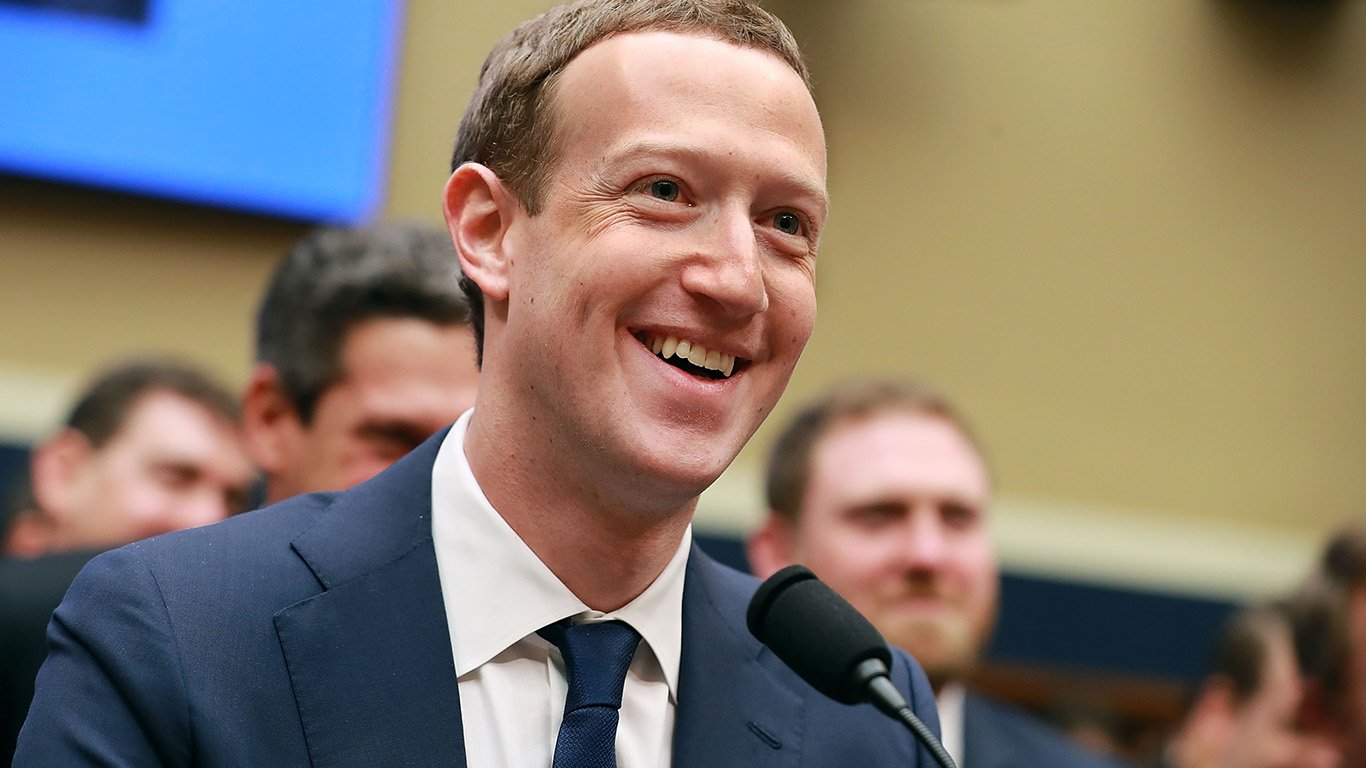
Sarah Kunst, Managing Director at Cleo Capital, argued in a CNBC interview on July 29 that Meta’s enormous AI infrastructure spending reflects Mark Zuckerberg’s personal conviction and is likely to continue despite investor pushback. In her view, Meta’s creative financing adjustments are largely optics, while the underlying capex commitment remains firmly intact.
Zuckerberg Is Prepared to Spend Through Wall Street’s Resistance
“Zuck is back in his legacy metaverse era. He has a passion project. He is going to do what he wants to do, and the market is going to have to pull the reins hard if they want him to stop,” she told CNBC. She added that “he still wants to spend. He still thinks that he can kind of capex his way into a really interesting AI product, even though the rest of us maybe aren’t so sure.”
Meta Platforms (NASDAQ:META | META Price Prediction) raised its full-year 2026 capex forecast to $125-$145 billion, up from the initial $115-$135 billion range issued in January. Q1 capex hit $18.997 billion, and Reality Labs posted an operating loss of $4.03 billion. Zuckerberg’s Q1 shareholder letter promised the company is “on track to deliver personal superintelligence to billions of people.”

The BlackRock Deal Changes the Optics, Not the Spending
Kunst pointed to Meta’s arrangement with BlackRock (NYSE:BLK), in which BlackRock takes majority ownership of a data center while Meta remains the key customer. She also flagged reports that Meta is considering selling excess compute capacity to companies like Anthropic. In her reading, “that shift is him saying, look, we understand that you don’t love this capex, and we are going to try to make it as less painful as possible, but we’re still going to be doing that spending.”
BlackRock reported a record AUM of $15.34 trillion in Q2 and has climbed 13.77% over the past month, partly driven by enthusiasm for hyperscaler infrastructure financing. Meta shares trade at $593.41, down 17.04% over the past year and 9.95% year to date.
Reddit Data Backs Investor Discomfort
Kunst summed up the mood: “Investors are not loving this capex kind of race that’s happening. But we’re not seeing a huge sort of back away from it.” Reddit sentiment scores dropped to 26 on July 22, the lowest point in the two-week window, during peak earnings-week capex chatter.
A widely shared r/stocks post noted Apple’s capex sits at 1.8% of revenue while Alphabet’s is 37.5%, sharpening the comparison to Meta’s trajectory. Yet Polymarket traders assign an 85.4% probability to Meta beating quarterly earnings today, and analysts have a consensus target of $824.68 vs Meta’s current price of $594.30, with 49 buy and 8 strong buy ratings against 0 sell ratings.
Why Microsoft May Be the Cleaner AI Infrastructure Bet
Kunst sees a smoother risk profile in Microsoft (NASDAQ:MSFT). She noted that Microsoft trades more like software players and maintains valuable OpenAI exposure, adding that “Microsoft will probably make some money on it. The OpenAI exposure is nice. No matter what that company does.”
Microsoft’s capex is substantial. Q3 FY2026 spending reached $30.88 billion, and Satya Nadella said the company’s “AI business surpassed an annual revenue run rate of $37 billion, up 123% year-over-year.“ Polymarket traders assign a 94.5% probability to Microsoft beating earnings today, versus 85.4% for META. Microsoft trades at $393.35, down 22.63% over the past year, as the market reassesses hyperscaler valuations.
What to Watch
Kunst’s message is clear: Meta’s creative financing is a softer wrapper around an unchanged AI spending trajectory. Investors should watch whether Q2 revenue lands within the company’s $58-$61 billion guidance, whether Reality Labs losses widen, and whether Zuckerberg raises the capex ceiling again on tonight’s call.
Meta trades at roughly 19x forward earnings, a discount to its historical valuation. That suggests investors are already pricing in significant capex pressure, but another spending increase could test how much patience the market has left.
Contact [email protected] for any questions or corrections.
Thomas Richmond is a financial writer and content strategist with 5+ years of experience covering stocks and financial markets. He has published over 500 articles focused on individual stock analysis, helping investors better understand business fundamentals, stock valuations, and long-term opportunities.
Thomas previously served as a Content Lead at TIKR, a stock research platform, where he helped scale the company’s blog to hundreds of articles per month and contributed to a weekly newsletter reaching more than 100,000 investors.
Outside of work, Thomas enjoys weight lifting and soccer.