Elon Musk Loses $87 Billion In A Single Day As SpaceX Stock Craters After Earnings
SpaceX's first earnings report as a public company erased tens of billions from the world's wealthiest person in a single session. What happened next defied every bearish prediction.


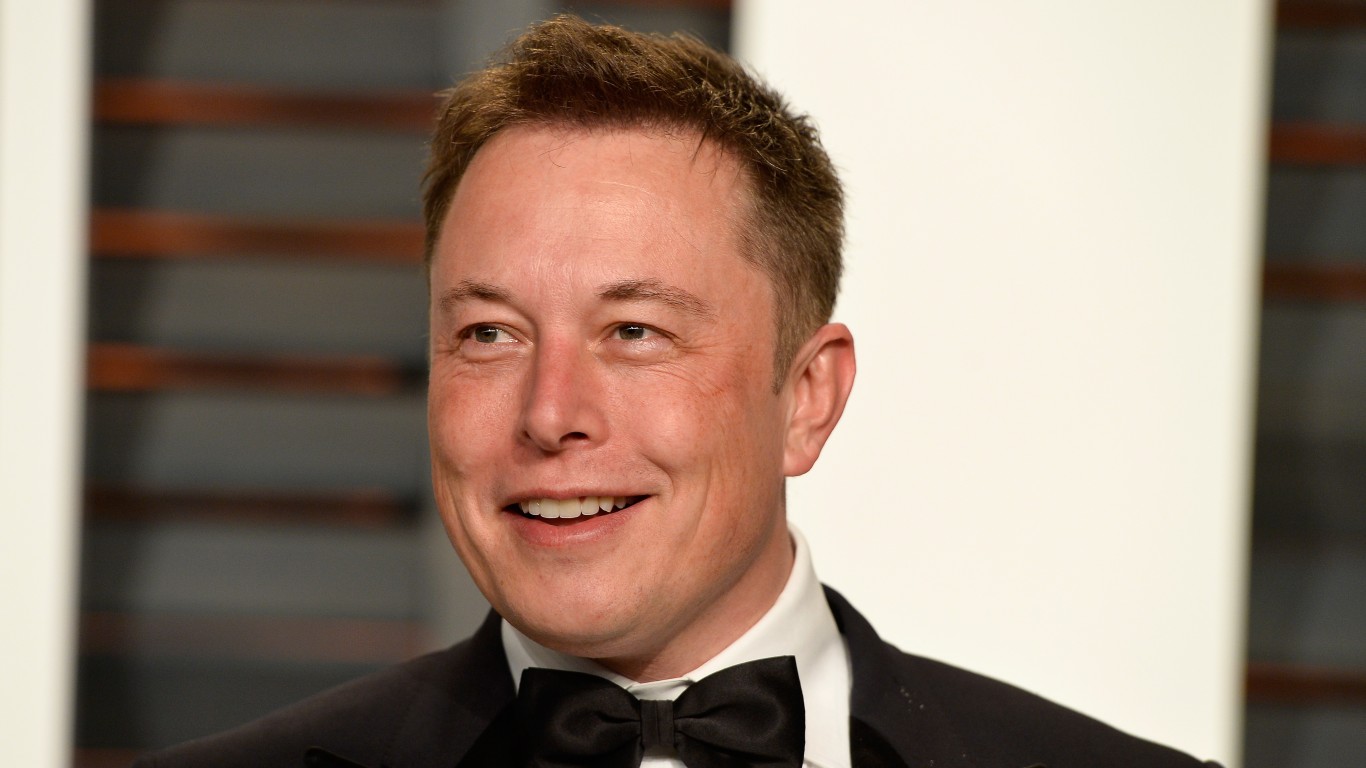
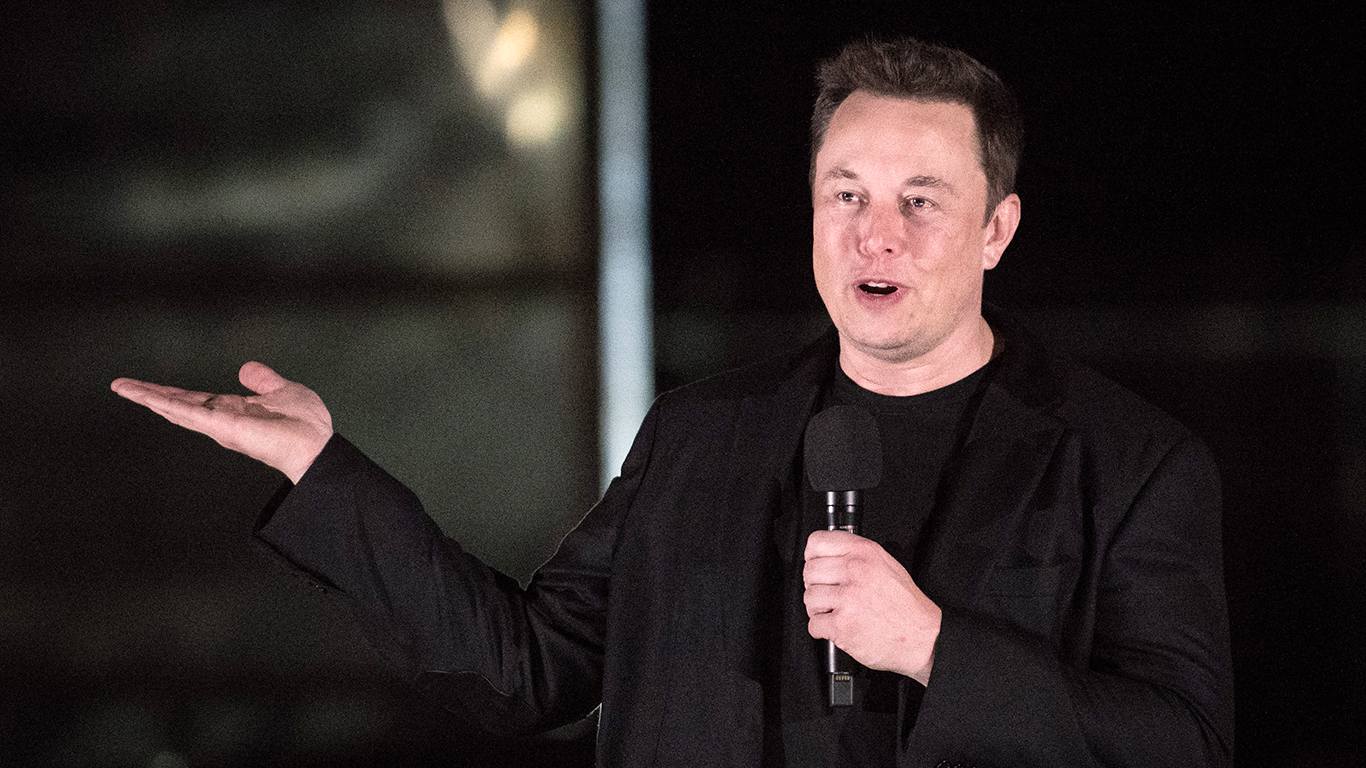
Elon Musk lost roughly $87 billion in a single trading session on Wednesday, Aug. 5, 2026, according to Forbes’ Real-Time Billionaires Index, which showed his fortune sliding from $783.3 billion to $696.1 billion, an 11.1% drop. Bloomberg’s Billionaires Index pegged the hit at roughly $89.6 billion, taking him to $687 billion, with the gap reflecting different methodologies for valuing his private and newly public stakes. The trigger: SpaceX (NASDAQ:SPCX | SPCX Price Prediction) shares fell 13.61% after its first quarterly report as a public company.
A Revenue Beat Overwhelmed by a Sixfold Capex Jump
SpaceX posted $7.81 billion in revenue for Q2 2026, up 92% year over year and beating the LSEG consensus of roughly $6.93 billion by nearly $900 million. Adjusted EBITDA reached $3.54 billion, up 191% year over year. Capital expenditures leapt sixfold quarter over quarter to $18.4 billion, up from $10.1 billion in Q1, with roughly $15.8 billion earmarked for AI infrastructure. The company booked a $541 million net loss and reported EPS of -$0.09, beating the consensus loss estimate of -$0.26. The market fixated on capex intensity and Starlink average revenue per user, which slid from $85 to $66 as subscribers doubled to 12.0 million.
Musk’s Reassurance Attempt
Musk pulled the timeline for SpaceX’s $1 trillion in annual revenue goal forward to 2030 from 2031, floating “a non-zero chance” it lands as soon as 2029. CFO Bret Johnsen defended the AI outlays: “On the AI compute side, we’re able to deploy capital in such a way that we’re getting less than a one-year payback.” The market rejected the argument. The stock closed Aug. 5 at $108.27, down about $17 from the prior session.
Why This Hits Musk’s Fortune So Directly
Per the June 2026 S-1, Musk owns approximately 4.76 billion shares plus 352.5 million options, roughly 42% of SpaceX’s equity and more than 80% of voting power through Class B super-voting shares. Bloomberg’s index shows SpaceX accounts for nearly two-thirds of Musk’s total net worth, having overtaken Tesla as his largest single asset. Each $1 move in the share price shifts Musk’s net worth by roughly $4.76 billion, which makes a $17 decline in a single session the kind of arithmetic that shows up in history books.
From Trillionaire to Not, in Under Two Months
Musk briefly became the world’s first trillionaire when SpaceX began trading June 12, 2026, priced at $135 per share and closing its first day at $161. His fortune peaked around $1.33 trillion on June 16 as the stock pushed past $200. By Aug. 5, that peak looked like a distant memory: SPCX had shed more than 46% from its closing high, traded about 20% below its IPO price, and left Forbes flagging Musk as “no longer a trillionaire” before the week’s drop even started.
The Lockup Hits Today
Aug. 6 marked the expiration of the first and largest tranche of SpaceX’s post-IPO insider lockups, freeing roughly 911.5 million shares for potential sale and more than doubling the tradable float overnight. The conventional wisdom held that so much new supply, hitting a stock already in freefall, would accelerate the decline. Evercore’s Mark Mahaney had flagged that free cash flow burn would weigh on SPCX near term, and JPMorgan’s Doug Anmuth warned the unlock could increase the float by 143%.
Steve Westly, of The Westly Group and a former Tesla board member, framed the open question on CNBC’s Squawk Box Europe: “SpaceX wants to tell the story they’re the market leader… But people still have these questions: how quickly can they grow? How big are the costs going to be before this thing gets to profitability?”
What Happened Next: The Bears Were Wrong
The feared crash never arrived. SPCX closed Aug. 6 up 6%, with volume running roughly 3.4 times the prior 20-session average, and then surged another 16% on Aug. 7 as buyers overwhelmed the anticipated seller wave. The stock rallied more than 26% off its Aug. 3 intraday low of $104.83 in the days that followed, briefly reclaiming the $135 IPO price on Aug. 10. Subsequent lockup tranches, releasing 319 million shares on Aug. 20 and similar blocks through September and October, produced muted reactions. SPCX climbed about 27% from the Aug. 6 close through mid-October.
Musk’s net worth recovered in tandem. Bloomberg estimated his fortune back above $1 trillion by early October, reaching $1.04 trillion on Oct. 5 as SpaceX and Tesla shares rallied together. Forbes put his net worth at roughly $923.7 billion on Oct. 20, still below the June peak but far above the Aug. 5 trough.
Q3 2026: SpaceX Posts Its First Quarterly Profit
SpaceX reported Q3 2026 results on Oct. 20, delivering the company’s first solidly profitable quarter since its June IPO. Revenue reached $14.58 billion, up 161% year over year, well ahead of the $12.72 billion LSEG consensus. Net income came in at $4.4 billion, compared with a net loss of $1.05 billion in the same period a year earlier. Adjusted EBITDA jumped 306% to $8.8 billion. EPS of $0.35 beat the $0.10 analyst consensus by a wide margin.
The company’s AI division, now branded “Super Intelligence,” emerged as its largest segment, generating $7.6 billion in revenue, up ninefold year over year. That figure eclipsed Starlink’s connectivity revenue of $5.25 billion for the first time. Starlink consumer subscribers reached 13.6 million, adding 1.6 million in the quarter, while consumer ARPU recovered to $69 per month from the $66 reported in Q2. On the earnings call, Musk also disclosed that SpaceX and Tesla have formed special committees at the board level to discuss a potential merger, a development that sent SPCX climbing roughly 8% in after-hours trading.
Editor’s note: This article has been updated to include Q3 2026 earnings results (reported Oct. 20, 2026), in which SpaceX posted its first quarterly net income of $4.4 billion on $14.58 billion in revenue; the post-lockup stock recovery that saw SPCX rally more than 26% off its Aug. 3 low; Musk’s return above $1 trillion in net worth in early October per Bloomberg; and the disclosure that SpaceX and Tesla boards have formed special committees to explore a merger.
Contact [email protected] for any questions or corrections.
AJ spent 10 years writing about financial markets at The Motley Fool. His coverage centers on technology stocks and the broader macroeconomic trends, from interest rates to geopolitics, that shape where markets are headed next. AJ is drawn to the stories where big-picture economics and individual companies collide.