Elon Musk Just Became the World’s First Trillionaire, and SpaceX Hasn’t Even Finished Its First Trading Day
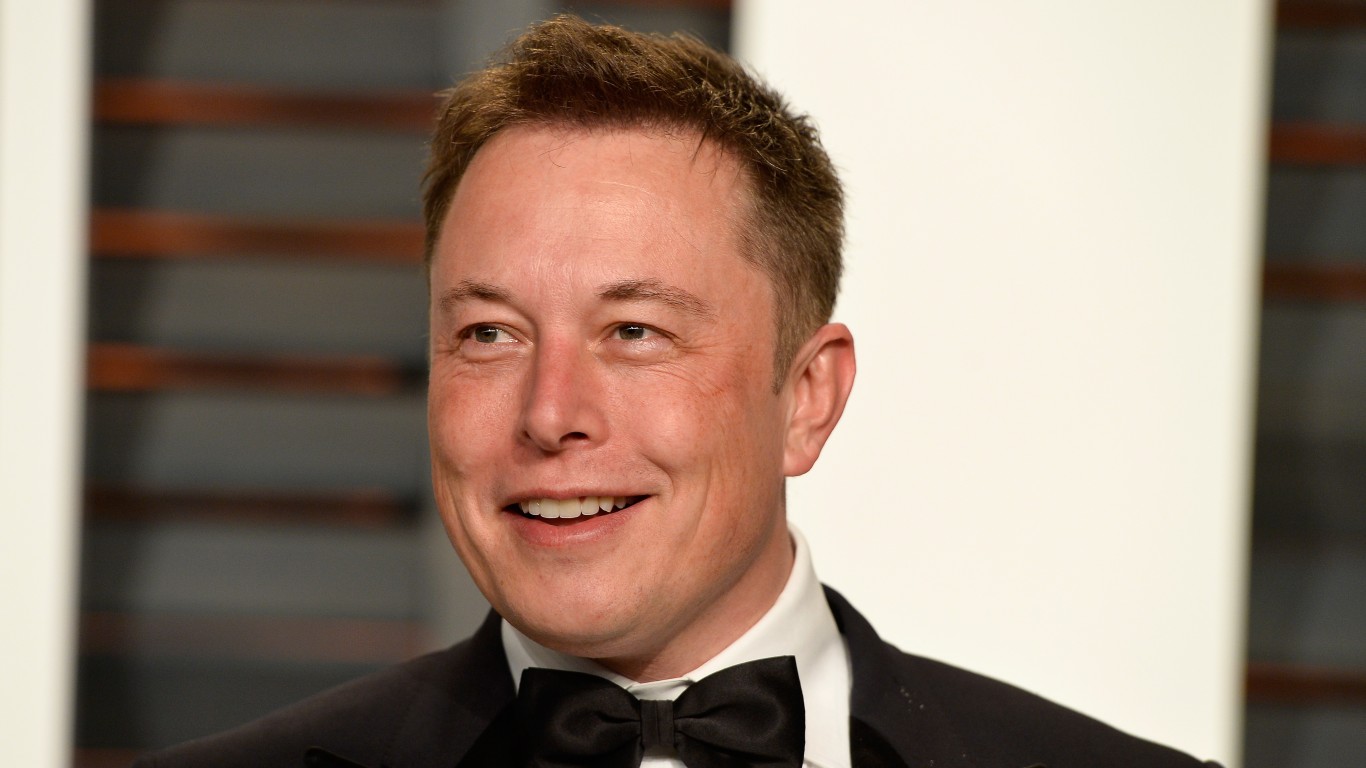
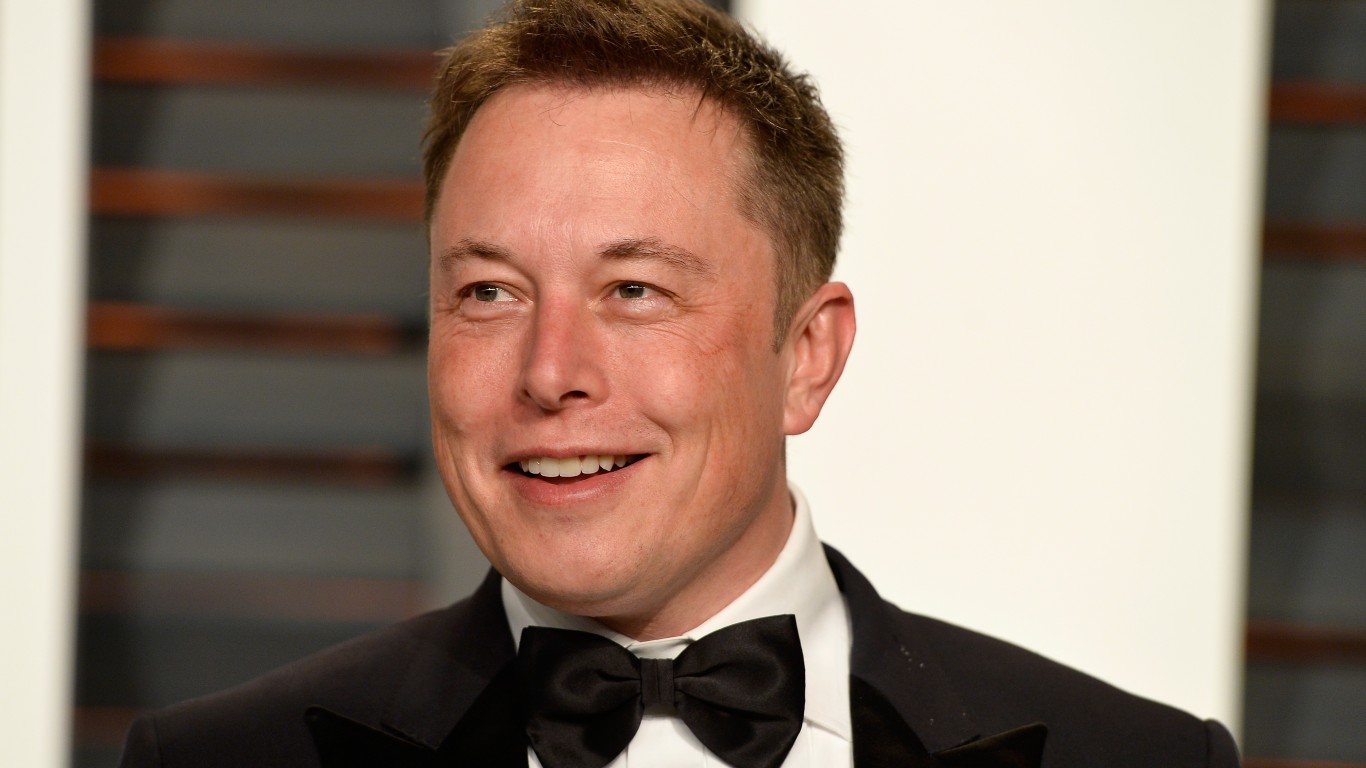
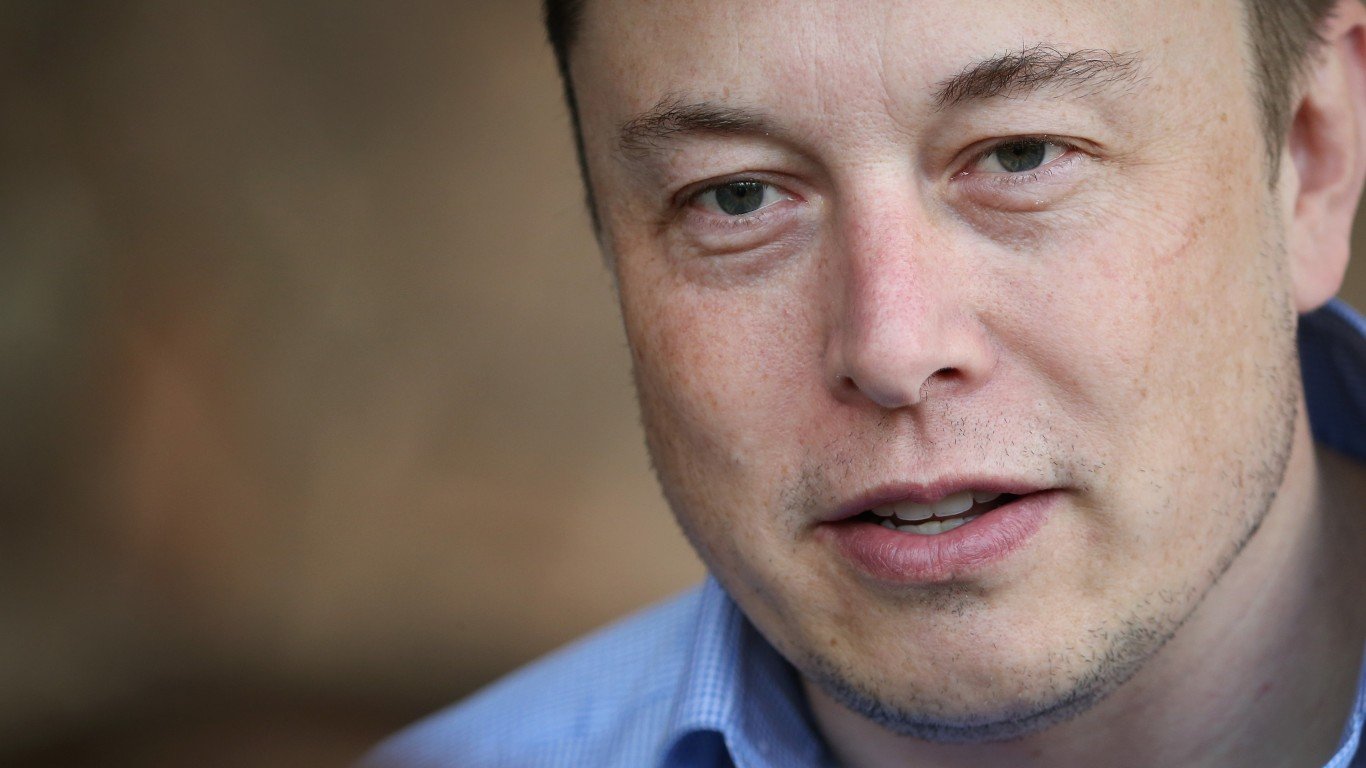
Elon Musk became the world’s first paper trillionaire when Space Exploration Technologies Corp. (NASDAQ:SPCX | SPCX Price Prediction) priced its record IPO at $135 Thursday night, and the cushion widened fast once shares started trading today. SpaceX priced its NASDAQ…

Elon Musk became the world’s first paper trillionaire when Space Exploration Technologies Corp. (NASDAQ:SPCX | SPCX Price Prediction) priced its record IPO at $135 Thursday night, and the cushion widened fast once shares started trading today. SpaceX priced its NASDAQ IPO at $135, opened at $150, and traded at $168.75 as of 11:55 a.m. ET, up 25% from the offer and vaulting Musk past a threshold no individual has ever held.
How the Math Works
Per CBS News reporting on the priced IPO, Musk holds roughly 4.8 billion SpaceX shares (about a 42% economic stake) plus 350 million options struck at $8.39. At the $135 IPO price, CBS valued his shares near $648 billion and the options near $44.3 billion. Forbes had pegged Musk at roughly $813 billion pre-IPO, a figure that already embedded a $500 billion private SpaceX mark; the pricing lifted his stake about $192.3 billion above that, pushing total net worth to roughly $1.005 trillion before a single share changed hands. Every dollar SPCX trades above $135 adds roughly $5.2 billion more. At the midday print, his fortune sits closer to $1.1 trillion.
The Offering Itself Broke Records
SpaceX sold 555.6 million shares to raise $75 billion, surpassing Saudi Aramco’s 2019 debut as the largest IPO in history. The $135 price set an initial valuation near $1.77 trillion, and the first-day pop pushed the company’s market value above $2 trillion at midday, making SPCX the sixth-largest US public company behind only Nvidia, Alphabet, Apple, Microsoft, and Amazon. Goldman Sachs, Morgan Stanley, Bank of America, Citigroup, and JPMorgan led the underwriting, and retail investors got first-day access through Schwab, Fidelity, SoFi, E*TRADE, and Robinhood.
Context and Caveats
Larry Page sits second on Forbes at about $288 billion, less than a third of Musk’s new total. Only 19 countries post GDP above $1 trillion, per the World Bank, and The New York Times estimates about 4,400 SpaceX employees could become millionaires. Oxfam’s Nabil Ahmed called the milestone a “new Gilded Age” and “a new pinnacle of oligarchy,” noting Musk is now wealthier than the bottom 46% of humanity, roughly 3.8 billion people. Oxfam’s math: hitting $1 trillion means Musk’s wealth grew more than $550 billion over the past year, a pace above $1 million per minute.
SpaceX’s dual-class setup gives Class B holders 10 votes per share against one vote for the Class A shares sold to the public, leaving Musk with 82.4% of the voting power on a 42% economic stake, per the amended S-1. Only Class B holders can remove him as CEO, CTO, or chairman, and he controls that class.
The wealth figure, by contrast, is a live estimate tied to a first-day performance. Morningstar values the company at just $780 billion on a discounted cash flow basis, less than half the IPO valuation, and SpaceX posted $8.7 billion in cumulative losses from the start of 2025 through March 31, 2026. The trillionaire math only needs SPCX to hold $135; Musk falls back under the mark if shares drop below roughly $134. Watch the closing price, then the greenshoe (an option letting underwriters sell about 83 million additional shares at $135, worth around $11.2 billion, that they’ll almost certainly exercise with the stock trading this far above the offer), then the lockup calendar.
Contact [email protected] for any questions or corrections.
Joel South covers large-cap stocks, dividend investing, and major market trends, with a focus on earnings analysis, valuation, and turning complex data into actionable insights for investors.
He brings more than 15 years of experience as an investor and financial journalist, including 12 years at The Motley Fool, where he served as an investment analyst, Bureau Chief, and later led the Fool.com investing news desk. He has also co-hosted an investing podcast and appeared across TV and radio discussing market trends.