Ripple’s Private Credit Partner Just Moved Its Token to the XRP Ledger: What Does This Mean for the XRP Price?
Clearpool's token holders just voted overwhelmingly to abandon Ethereum and rebuild on Ripple's network, yet XRP barely flinched. The reason why reveals a fundamental tension at the heart of the XRP Ledger's growth story.

This post may contain links from our sponsors and affiliates, and Flywheel Publishing may receive compensation for actions taken through them.

Clearpool token holders have overwhelmingly voted, with 97% in favor, to move their lending platform’s token to the XRP Ledger, the public blockchain supporting XRP (CRYPTO: XRP), though the XRP price has barely reacted. This decision, announced on October 5, 2026, involves swapping each CPOOL token one-for-one for a new token called CLEAR, with the transition expected to happen in the fourth quarter of this year.
Clearpool has already partnered with Ripple to manage an institutional credit fund on the XRP Ledger, which strengthens its ties to Ripple’s network. However, as of October 5, XRP is trading at $1.51, up just 0.8% over the past 24 hours and 1.9% over the last week. The key question remains: will this credit platform’s transition to Ripple’s network give investors a compelling reason to hold XRP?
Clearpool Holders Voted 97% to Move Their Token to the XRP Ledger

Clearpool specializes in private credit, which means it provides loans directly to businesses outside the conventional banking system. These loans aren’t traded like bonds, and lenders accept that they may not easily resell them because they offer higher interest rates than traditional options. Since 2021, Clearpool has facilitated over $930 million in institutional loans.
This vote replaces the original CPOOL token, built on Ethereum, with the new CLEAR token, which will operate on the XRP Ledger. Holders will exchange one CPOOL for one CLEAR, resulting in approximately 1.1 billion CLEAR tokens circulating at launch.
Switching to a new token changes the blockchain where transactions are recorded and network fees apply, but it does not change the borrowers or the loan amounts. For instance, a store that changes its card processor still serves the same customers and makes the same sales.
Clearpool’s XRP Ledger Loans Are Paid in RLUSD, Not XRP

Ripple, Clearpool, and Cicada Partners established an institutional credit fund on the XRP Ledger on August 21. Ripple serves as a limited partner, providing capital without managing the fund. Cicada evaluates the borrowers while Hex Trust oversees the assets.
The fund aims to lend to fintech companies, payment processors, and cryptocurrency firms, with loans made in RLUSD, Ripple’s dollar-pegged stablecoin. A stablecoin is designed to maintain a value equivalent to a currency, meaning one RLUSD is expected to always be worth $1. This allows borrowers and lenders to transact in dollars on Ripple’s network without holding XRP.
In this context, XRP primarily serves as the network fee. Every transaction on the XRP Ledger incurs a small fee paid in XRP, which is then burned (permanently removed from circulation). Additionally, Clearpool plans to allocate half of its protocol fees toward buying back and burning CLEAR tokens, benefiting CLEAR holders instead of XRP holders.
XRP Is Down 50% Over the Past Year Despite New XRP Ledger Projects
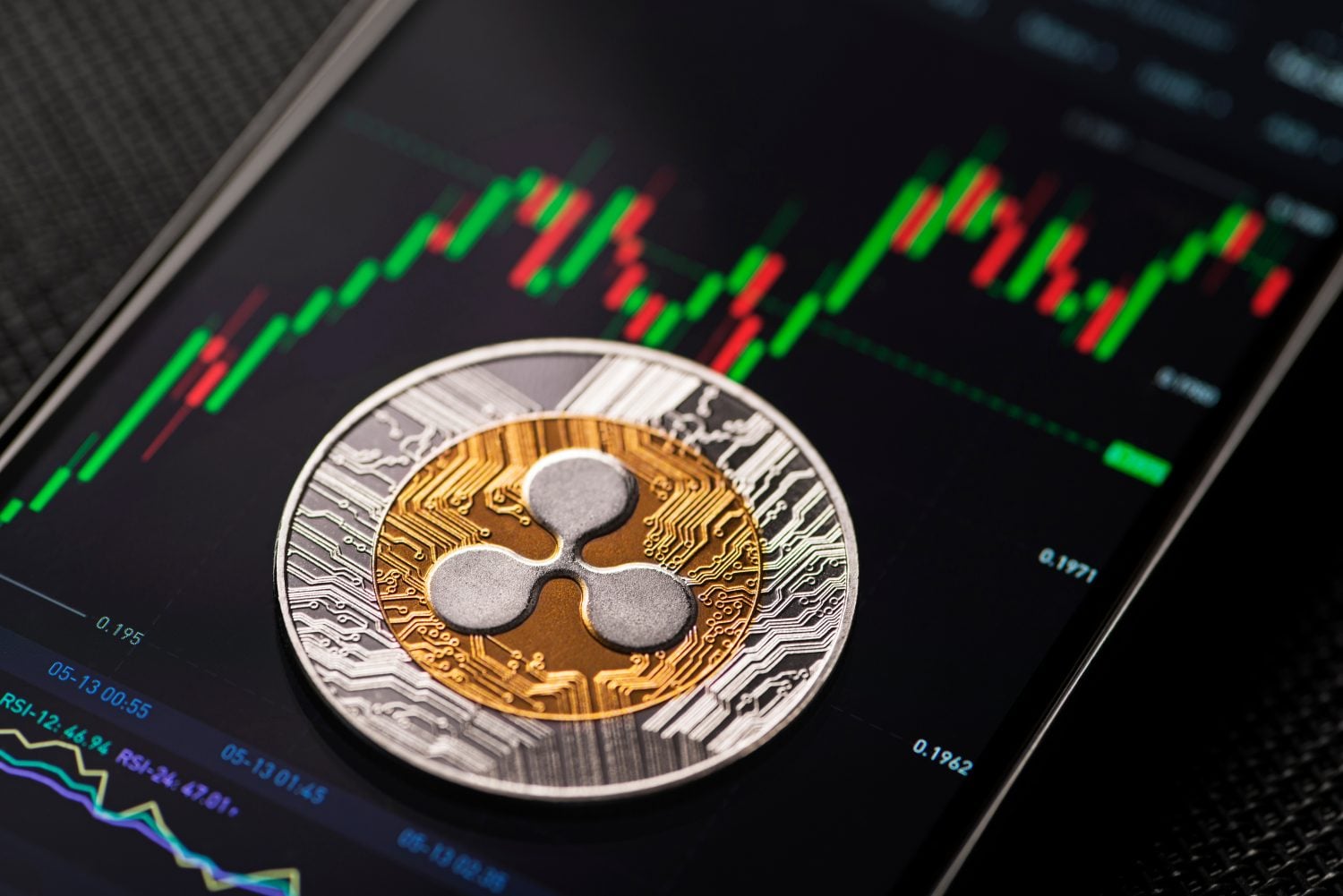
Despite numerous announcements of new projects on the XRP Ledger, XRP has fallen 50% over the past year. Currently, XRP is trading at about 59% below its all-time high of $3.65 reached in July 2025. (FLAG: “Currently” is relative time)
XRP’s market cap is considerable at about $95 billion, with approximately 63.1 billion XRP circulating out of a maximum supply of 100 billion. As a result, new demand must be substantial to move a cryptocurrency of this size, especially as Ripple continues to release more XRP from its escrow reserves over time.
Will Clearpool’s Move Affect the XRP Price?
The switch to the XRP Ledger primarily benefits Ripple’s network rather than directly boosting the XRP price. While the XRP Ledger gains a functional credit platform and increased activity in RLUSD, Clearpool’s fees support CLEAR, not XRP. Therefore, XRP holders may see an active network without a direct increase in demand for their tokens.
If Clearpool or Ripple reports loan activity that uses XRP as collateral or connects different currencies, similar to Ripple’s On-Demand Liquidity service, this could influence the price. However, if loans remain in RLUSD, the XRP Ledger may keep growing while XRP’s price stagnates.
Contact [email protected] for any questions or corrections.
Sam Daodu is a crypto analyst and the editor of 24/7 Wall St.'s Crypto Desk, where he covers Bitcoin, XRP, Ethereum, Solana and the altcoins investors search for most. His work focuses on price levels, spot ETF flows, on-chain data and the regulatory decisions that move crypto markets, written so a first-time buyer and a seasoned trader can both use it.
Sam has written about crypto professionally since 2019 and has published more than 2,000 articles. Before joining 24/7 Wall St., he wrote for crypto media outlets and Web3 companies and ghostwrote for crypto founders and token launches. His analysis is syndicated on Yahoo Finance, MSN and AOL and has been cited by other crypto news sites. He also founded MacLabs Marketing, a content and personal branding agency for crypto founders and executives.
When he isn't reading charts, Sam is usually at the gym or watching One Piece, a series he maintains has better tokenomics than most altcoins.