In 1978, A California Home Improvement Chain Called Handy Dan Fired Two Of Its Senior Leaders. Nearly Five Decades Later, Those Two Men Each Built A Fortune Of Over $10 Billion, And Handy Dan Has Been Out Of Business Since 1989
A California home improvement chain fired two of its senior leaders on the same day in 1978, setting off a chain of events that the company's own executives could never have imagined would reshape an entire industry.

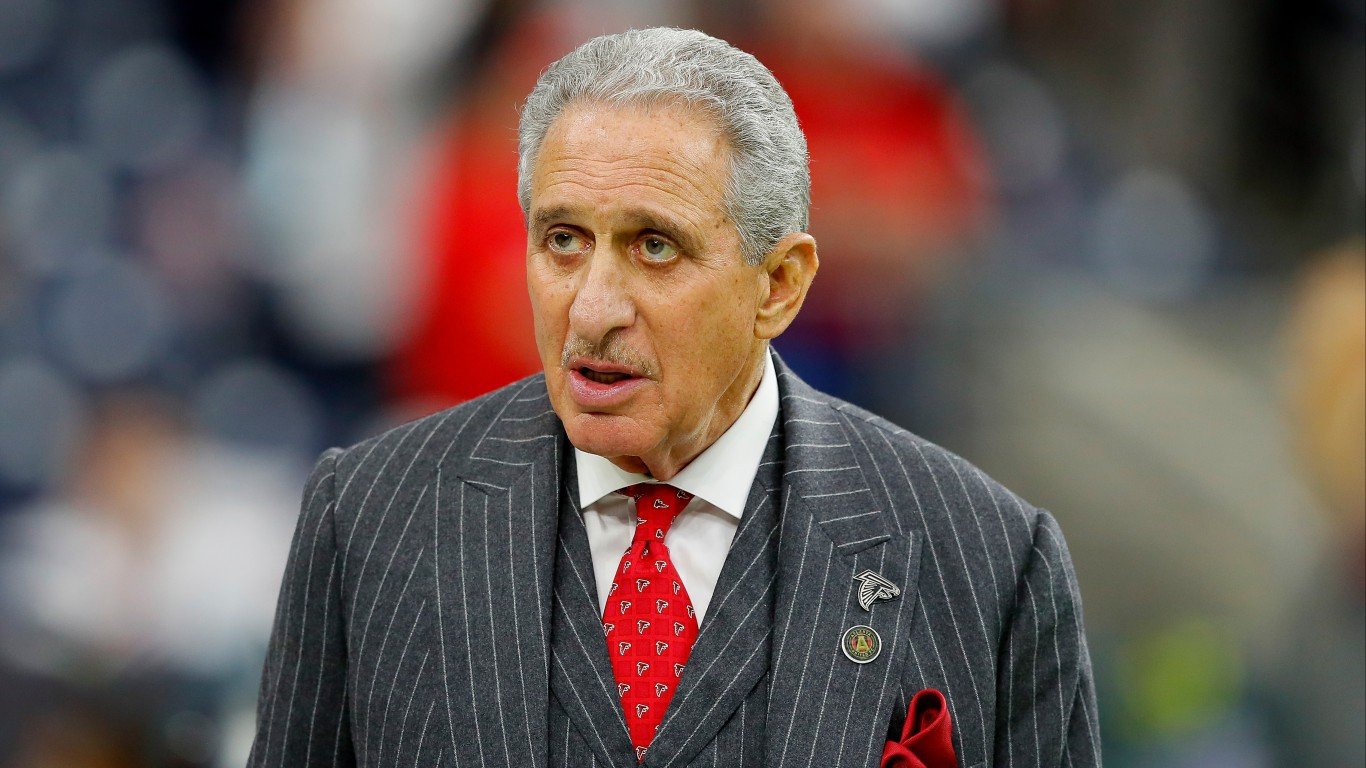
On April 14, 1978, according to the Philanthropy Roundtable, Handy Dan fired its chief executive, Bernie Marcus, 48, and its finance vice president, Arthur Blank, 35. Handy Dan was a Western chain controlled by conglomerate Daylin, Inc. A third executive, Ron Brill, was fired with them. Marcus and Blank later co-founded Home Depot (NYSE:HD | HD Price Prediction).
By 1973, Handy Dan had 43 stores and $52 million in sales. Daylin brought in turnaround executive Sanford Sigoloff, then filed for Chapter 11 on Feb. 26, 1975. Handy Dan was left out of that filing.
Three Competing Stories Behind the Firing
Accounts differ on the cause: an internal power struggle, a clash over structure and control, or resentment from Sigoloff.
Marcus later said the real money was in equity, which he “never had.”
Marcus was born in 1929 in a Newark tenement, son of a cabinet maker. He joined Daylin in 1970.
Blank was born in Flushing, Queens, in 1942 and lost his father as a teenager. He graduated from Babson College and worked as an accountant. He remembered that he came “from nothing.”
Starting Over in Atlanta With Far Less Money
Investment banker Ken Langone and merchandising expert Pat Farrah joined as co-founders. Langone raised $2 million from about 40 investors in $25,000 units.
The first two stores opened in Doraville and Decatur, Georgia, on June 22, 1979. Each was over 60,000 square feet, opening about 14 months after the firing. Blank remembered people saying “they’re crazy.” The year ended with three stores, 200 employees, $7 million in sales and a loss.
From a Money-Losing Start to Industry Leader
Sales tripled in year two and the company became profitable. It went public in September 1981 at $12 a share. By 1990 it was the country’s largest home improvement retailer.
For fiscal 2025, Home Depot reported sales of $164.7 billion, up 3.2%. Net earnings were $14.2 billion and diluted EPS was $14.23. The company runs 2,359 retail stores plus more than 1,250 SRS locations.
How Handy Dan Disappeared
W.R. Grace acquired Daylin in March 1979 and sold the home improvement division to its executives in a 1986 leveraged buyout. Handy Dan closed in May 1989.
Two Founders, Two Multibillion-Dollar Fortunes
Marcus died on Nov. 4, 2024, at 95. Forbes estimated his wealth at $10.3 billion. By 2019 he had given about $2 billion, including $250 million to the Georgia Aquarium.
A financial data company estimates Blank’s fortune at just over $10 billion. He bought the Atlanta Falcons for $545 million in 2002, founded Atlanta United and led the $1.5 billion Mercedes-Benz Stadium. He has said it was always about “building values.”
Handy Dan is gone. The company its fired executives built employs about 470,000 people, and investors now watch the housing market.
Contact [email protected] for any questions or corrections.
AJ spent 10 years writing about financial markets at The Motley Fool. His coverage centers on technology stocks and the broader macroeconomic trends, from interest rates to geopolitics, that shape where markets are headed next. AJ is drawn to the stories where big-picture economics and individual companies collide.