




Chipmakers used to sell hardware and cash the check. In 2026, they’re increasingly bankrolling the customers who buy it. Microsoft (NASDAQ:MSFT | MSFT Price Prediction) backs OpenAI. Amazon (NASDAQ:AMZN) backs Anthropic. And Nvidia (NASDAQ:NVDA), the company supplying the picks and shovels for the entire AI gold rush, has quietly become one of the largest shareholders in the companies building the mines. That arrangement raised eyebrows again this week, and the number attached to it is hard to ignore.
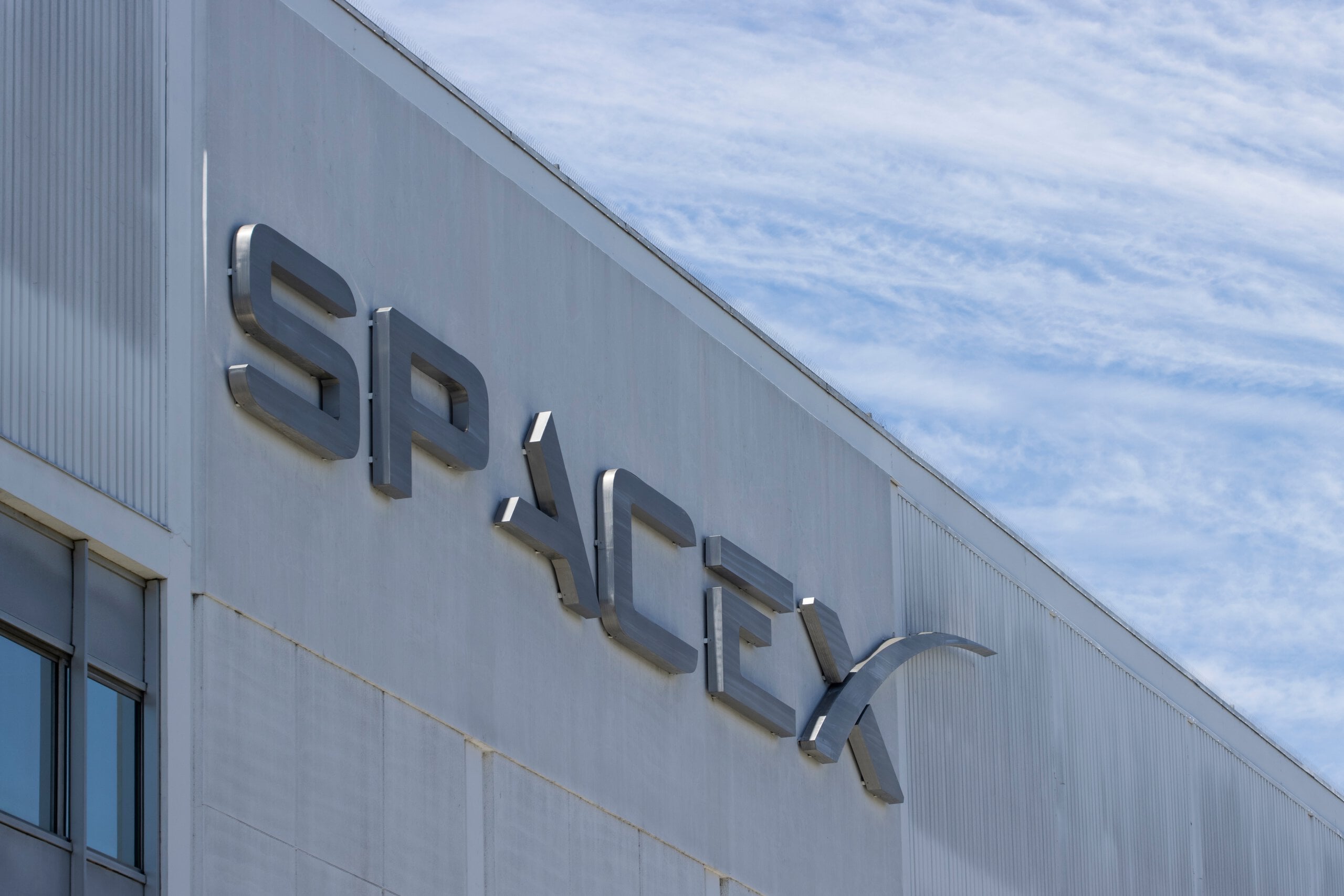
Nvidia’s filing yesterday disclosed a stake in Elon Musk’s SpaceX (NASDAQ:SPCX) worth roughly $21 billion at the end of the second quarter. It’s a position that didn’t exist a year ago, and it says a lot about how tightly Nvidia has wired itself into the AI infrastructure boom it helped create.
From xAI to SpaceX: How the Stake Came Together
Nvidia didn’t buy SpaceX stock on the open market. The position traces back to January, when Nvidia put $10 billion into xAI’s $20 billion Series E financing round, joining Valor Equity Partners, the Qatar Investment Authority, and Fidelity as backers of Musk’s AI startup. That looked like a straightforward bet on a large language model company.
Then, in February, SpaceX acquired xAI in an all-stock deal valued at $1.25 trillion, folding the AI startup into Musk’s rocket and satellite business. Every share of xAI converted into SpaceX Class A stock, and Nvidia’s position went along for the ride — landing at approximately 122.8 million shares. When SpaceX completed its IPO in June, those shares suddenly had a public price tag attached, and at the June 30 close of $170.86, the stake was worth $21 billion. Ironically, a chip investment turned into a rocket investment almost by accident.
Nvidia’s Second-Largest Holding
That $21 billion now ranks as Nvidia’s second-largest disclosed equity position, trailing only its Intel (NASDAQ:INTC) stake. Here’s how the top two compare, per the 13F:
| Holding | Value at June 30 | Share of Disclosed Portfolio |
| Intel | $30 billion | 47.3% |
| SpaceX | $21 billion | 33.1% |
Together, Intel and SpaceX accounted for almost 80% of Nvidia’s publicly disclosed stock portfolio — a level of concentration most fund managers would never tolerate, but Nvidia isn’t running a diversified fund. It’s using its balance sheet to cement relationships with two companies central to its chip roadmap.
Both positions have since moved. Intel’s stake had narrowed to about $22 billion from $30 billion following the company’s recent secondary offering, and SpaceX shares closed at $140 on Friday — down from that June 30 mark — trimming the position to roughly $17.2 billion. Volatility comes standard with any stock two months removed from its IPO.
The Circular Investment Question
Musk didn’t hide the payoff for Nvidia. On SpaceX’s first earnings call as a public company, he said the company will build exclusively on Nvidia chips for its AI data centers, citing the Vera Rubin architecture as having the “best architecture” for training and inference, with a “significant allocation” of Vera Rubin GPUs expected next year.
That’s the arrangement in plain terms: Nvidia funds the customer, the customer commits to buying Nvidia chips, and Nvidia’s equity stake rises in value if the customer succeeds – partly because Nvidia’s own hardware helped it succeed. Alphabet (NASDAQ:GOOG) holds a larger SpaceX position, reportedly around $70 billion today, so Nvidia isn’t SpaceX’s biggest backer. But Nvidia is the only one of SpaceX’s major shareholders also selling it the chips.
Key Takeaway
Nvidia shareholders are getting exposure to SpaceX’s rocket and Starlink businesses almost as a byproduct of an AI chip customer relationship — and that’s worth understanding, not fearing. The Intel and SpaceX positions are real value, backed by real filings, not accounting fiction.
Granted, circular vendor financing deserves scrutiny, and a $17 billion swing in eight weeks shows how quickly these numbers move. But for long-term Nvidia holders, this stake is a bonus lottery ticket riding alongside the core chip business, not the reason to own the stock in the first place.
Contact [email protected] for any questions or corrections.









 Top Gaining Stocks
 Top Losing Stocks