Diesel Prices Are Breaking Records: 3 Refiners Turning the Crisis Into Record Profits
Crude oil looks calm, but diesel tells a completely different story, and the gap between those two markets is quietly reshaping who profits and who pays at every level of the supply chain.


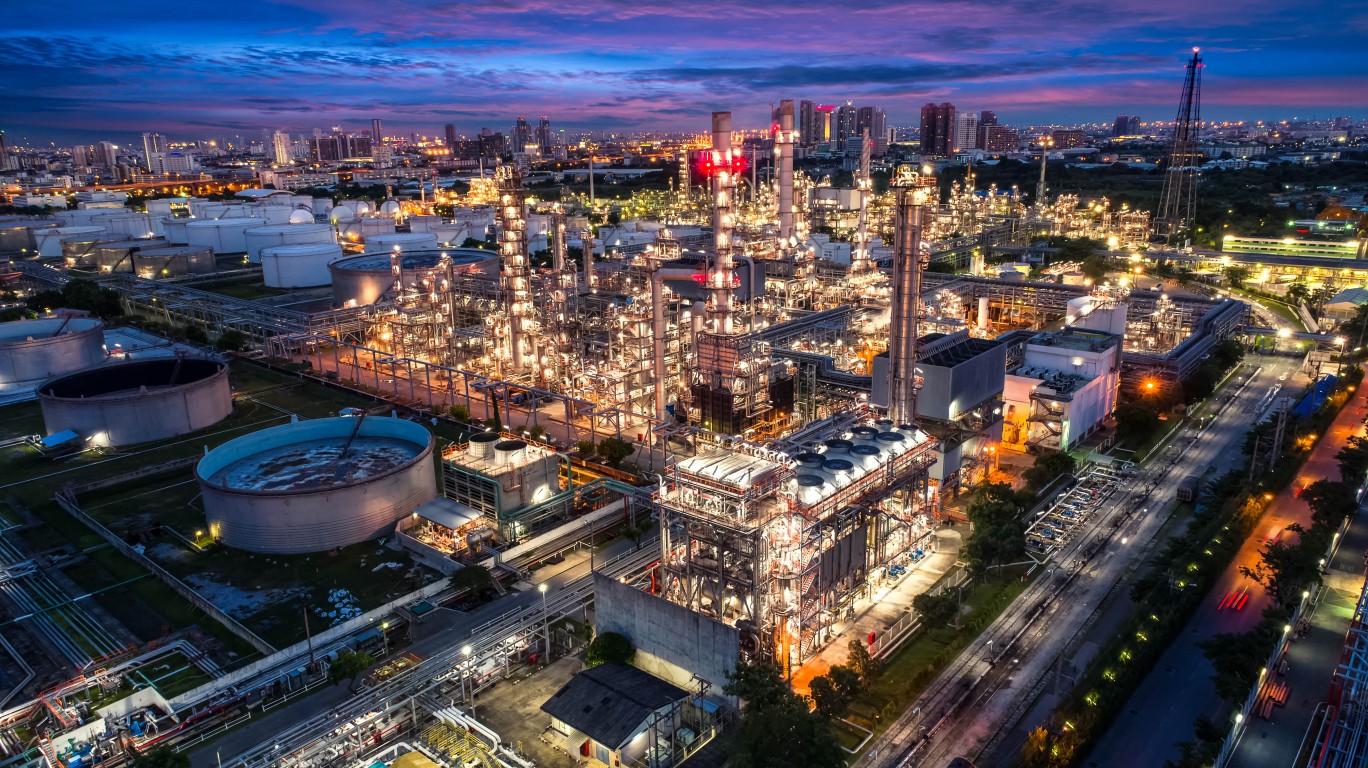
Crude oil is telling investors one story this week, while diesel is telling another. Brent crude sits around $91 a barrel this morning, cushioned by governments releasing barrels from strategic reserves. Meanwhile, the U.S. diesel crack spread — the premium refiners earn turning crude into diesel — hit an all-time high of $102.20 a barrel on Monday. It’s a signal that the fuel powering trucks, tractors, trains, and cargo ships is in short supply even as crude looks relatively calm.
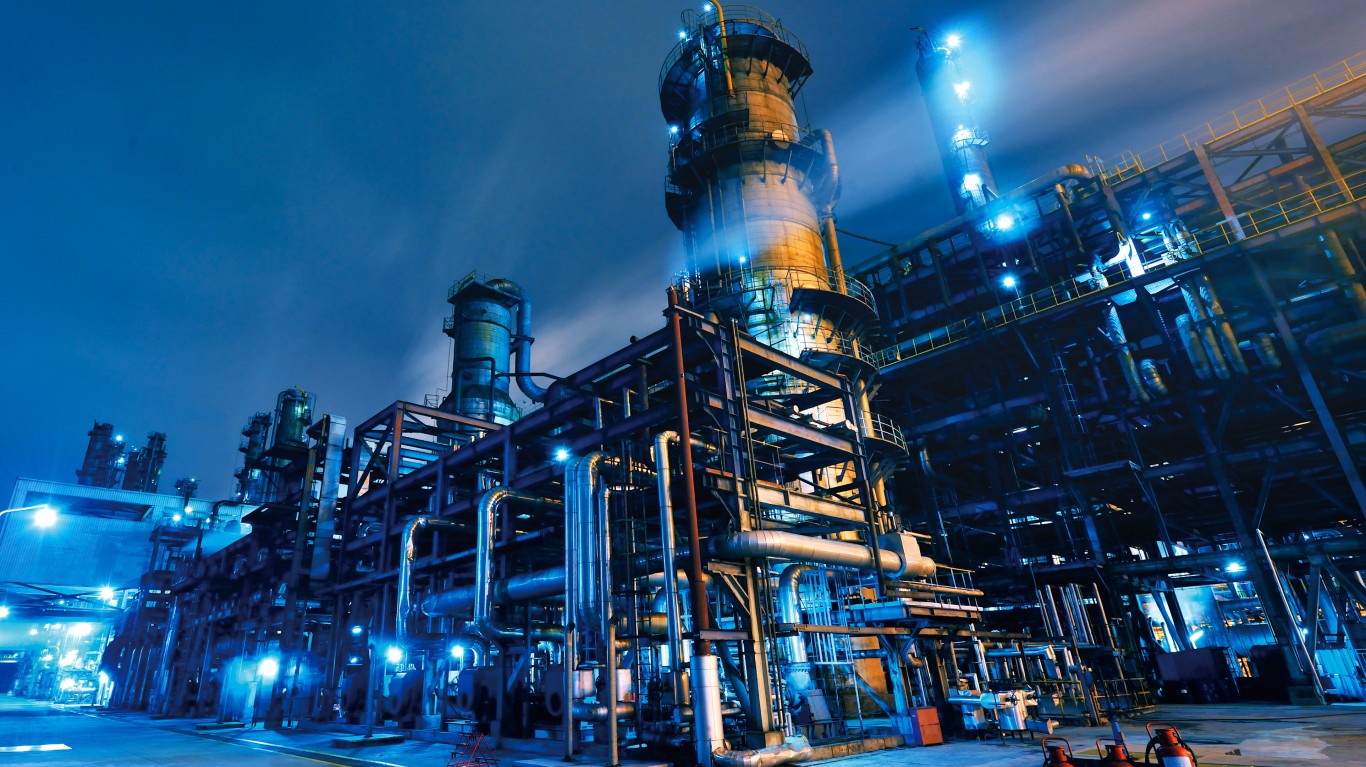
When the spread between raw material and finished product blows out this far, it usually means one thing: the refining system, not the oil field, is the bottleneck.
Why Diesel, Not Crude, Is the Real Story
Under normal conditions, the diesel crack trades in the teens or low twenties. At $102, it’s five times that. Citi’s Anthony Yuen has flagged global diesel inventories sitting below their five-year minimum, and Kpler data cited by Jefferies analyst Sam Burwell show Persian Gulf diesel exports down 80% year over year — nearly double the 48% decline in crude exports from the region.
Strikes on refineries in Iran, Ukraine, and Saudi Arabia’s Jazan facility have knocked out processing capacity, while Russia has banned diesel exports outright. Add peak agricultural harvest demand, and you get a fuel squeeze that crude-focused policy tools can’t fix. The U.S. Strategic Petroleum Reserve has already fallen below 300 million barrels from releases meant to cap crude prices — depleting emergency stockpiles while doing nothing for the diesel shortfall, since the SPR holds crude, not refined product.
That’s an important distinction for the real economy. Diesel moves the freight that stocks grocery shelves, the equipment that plants and harvests crops, and the ships that carry everything else. BofA’s Francisco Blanch put it plainly: absent a supply recovery, diesel markets “appear poised to stay tight, volatile, and expensive well into next year.” For truckers and farmers, that means fuel costs eating into margins right as harvest season demands maximum diesel use. For everyone else, it means the cost gets passed downstream into freight rates, producer prices, and eventually the checkout line.
Who’s Actually Cashing In
Refiners with heavy diesel exposure are the direct beneficiaries, and the second-quarter numbers show it. Valero Energy‘s (NYSE:VLO | VLO Price Prediction) realized refining margin roughly doubled year over year, and Marathon Petroleum‘s (NYSE:MPC) refining and marketing margin jumped from $17.58 to $36.33 per barrel.
| Refiner | Q2 2026 Net Income | Refining Margin/Barrel | Dividend Yield |
| Marathon Petroleum | $5.1 billion | $36.33, more than double y-y | 1.1% |
| Valero Energy | $3.7 billion | $23.62, almost doubled y-y | 1.4% |
| Phillips 66 (NYSE:PSX) | $3.85 billion | $24.08, more than double from Q1 | 2.1% |
Valero returned $2.6 billion to shareholders last quarter — a 59% payout ratio — while holding net debt-to-capitalization at just 11%. Marathon returned more than $2.8 billion through buybacks and dividends and still finished the quarter with $7.8 billion in cash. These aren’t speculative bets on a shortage; they’re companies converting a structural bottleneck directly into free cash flow, quarter after quarter.
The Windfall Has a Shelf Life
Crack spreads this extreme historically compress once refiners ramp utilization or a geopolitical resolution reopens flows through Hormuz. Valero’s own COO, Gary Simmons, argued the mid-cycle margin floor has shifted structurally higher — driven by European hydroskimming economics and rising compliance costs — but “structurally higher” isn’t “permanently at $102.”
Investors chasing today’s crack spread as a forever-trade are missing the cyclicality that’s defined refining for decades.
Key Takeaway
The diesel crisis is real, and it’s a genuine risk to consumer and producer prices in the months ahead. For investors, though, the actionable read is narrower: refiners with diversified, high-complexity operations — Valero and Marathon among them — are converting the shortage into record cash flow and shareholder returns right now.
Smart investors should treat these as cyclical income plays worth owning into the tightness, not permanent holdings, and should watch the crack spread itself as the clearest signal for when it’s time to trim.
Contact [email protected] for any questions or corrections.
After two decades of patrolling the dark corners of suburbia as a police officer, Rich Duprey hung up his badge and gun to begin writing full time about stocks and investing. For the past 20 years, he’s been cruising the markets looking for companies to lock up as long-term holdings in a portfolio while writing extensively on the broad sectors of consumer goods, technology, and industrials. Because his experience isn’t from the typical financial analyst track, Rich is able to break down complex topics into understandable and useful action points for the average investor. His writings have appeared on The Motley Fool, InvestorPlace, Yahoo! Finance, Money Morning, and, of course, 24/7 Wall St. He has been featured in both U.S. and international publications, including MarketWatch, Financial Times, Forbes, Fast Company, and USA Today.