Diesel Crack Just Broke $100 a Barrel for the First Time Ever. Here’s What It Means For Your Grocery Bill
Refinery margins just shattered a record that sent shockwaves through energy markets, and the ripple heading toward grocery store shelves moves slower than most shoppers realize. What happens between a record-breaking moment at the refinery and the price on your…


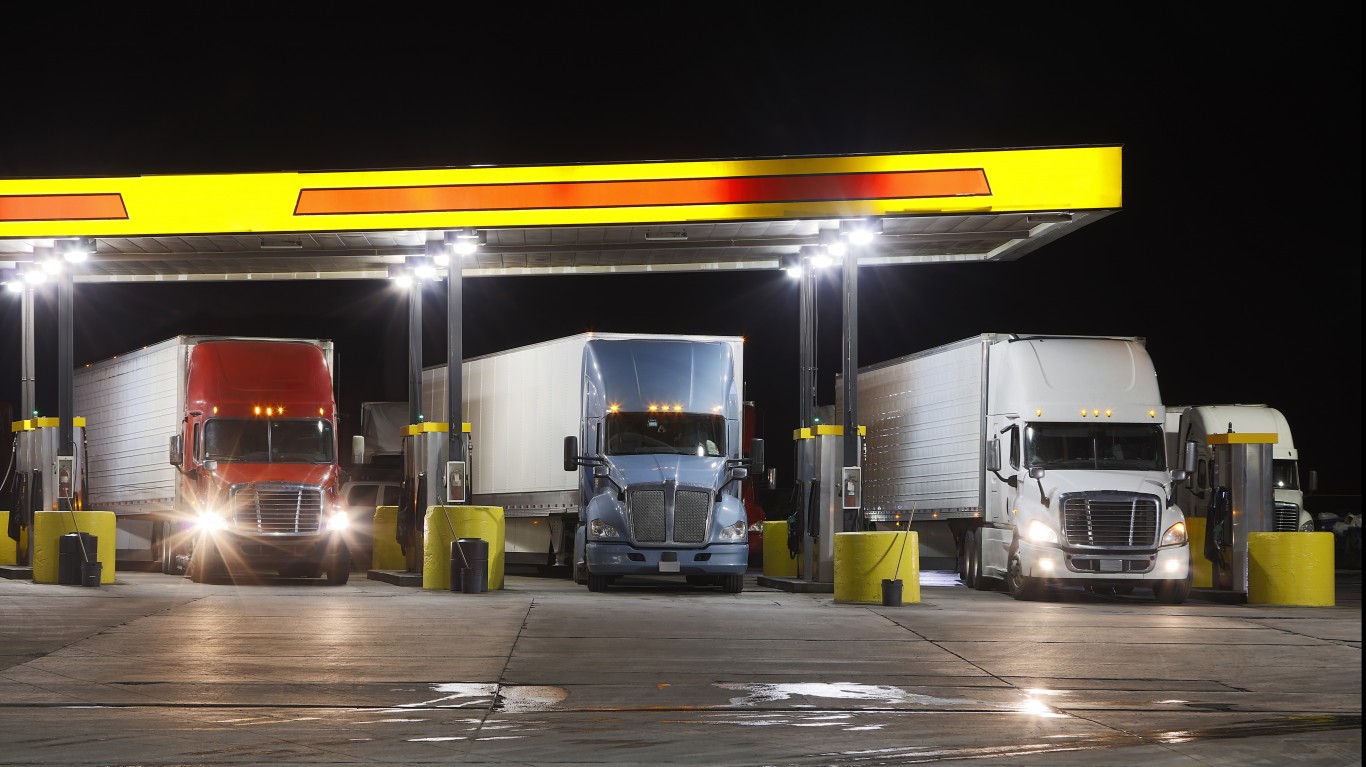
The US diesel crack spread hit an all-time intraday high of $102.20 per barrel on Monday, August 17, 2026, trading around $99.82 to $100 at midday, up 2.4% from the prior Friday, surpassing the prior record of roughly $97 to $98 per barrel from mid-March 2026. Diesel moves nearly every item in a supermarket, so a refining-margin record eventually reaches the shopping cart.
What a Crack Spread Actually Is
The crack spread is the diesel futures price minus the West Texas Intermediate crude futures price. It measures refining profitability, not what truckers pay at the pump. When the crack widens, refined product is scarce relative to crude. WTI closed at $84.77 per barrel on August 11, 2026, well below the spring peak of $114.58 on April 7.
The pressure is in refinery output. Fresh attacks on Middle Eastern refineries and renewed US-Iran tensions, a Russian export ban tied to Ukrainian strikes on Russian refining, peak seasonal diesel demand, and US distillate inventories at their lowest for this time of year since 1996 have converged. Jefferies analyst Sam Burwell put it plainly: “What this all shows is that global oil-market tightness is manifesting itself in cracks, not crude, at least for now.”
How Diesel Reaches the Grocery Aisle
RSM chief economist Joe Brusuelas calculated that truck transportation costs correlate with diesel prices at a 0.68 coefficient, and diesel prices alone explain 46% of the variation in the producer price index for truck transportation, based on data from 2004 to 2026. When diesel moves, freight rates move with it about two-thirds of the way, and diesel accounts for nearly half of what truckers charge. Brusuelas warned earlier this year to expect “another round of price increases in groceries later this year” as fuel and fertilizer costs work through supply chains.
The lag matters. In April, producer prices were up 6% year over year while consumer prices were up only 3.8%, having risen from 2.4% in January. Producer-level shocks take months to reach a receipt.
Earlier 2026 Was Already Ugly
The year has already seen diesel scares. National diesel hit $5.64 per gallon in mid-May 2026, up 62% year over year. Chicago-area diesel hit a record $6.30 per gallon in May, up 71% year over year, versus $3.63 in May 2025. Farm diesel rose 46% since late February 2026, and fertilizer costs rose 30% year over year. The American Farm Bureau Federation found 48% of Midwest farmers reported the greatest difficulty securing fertilizer.
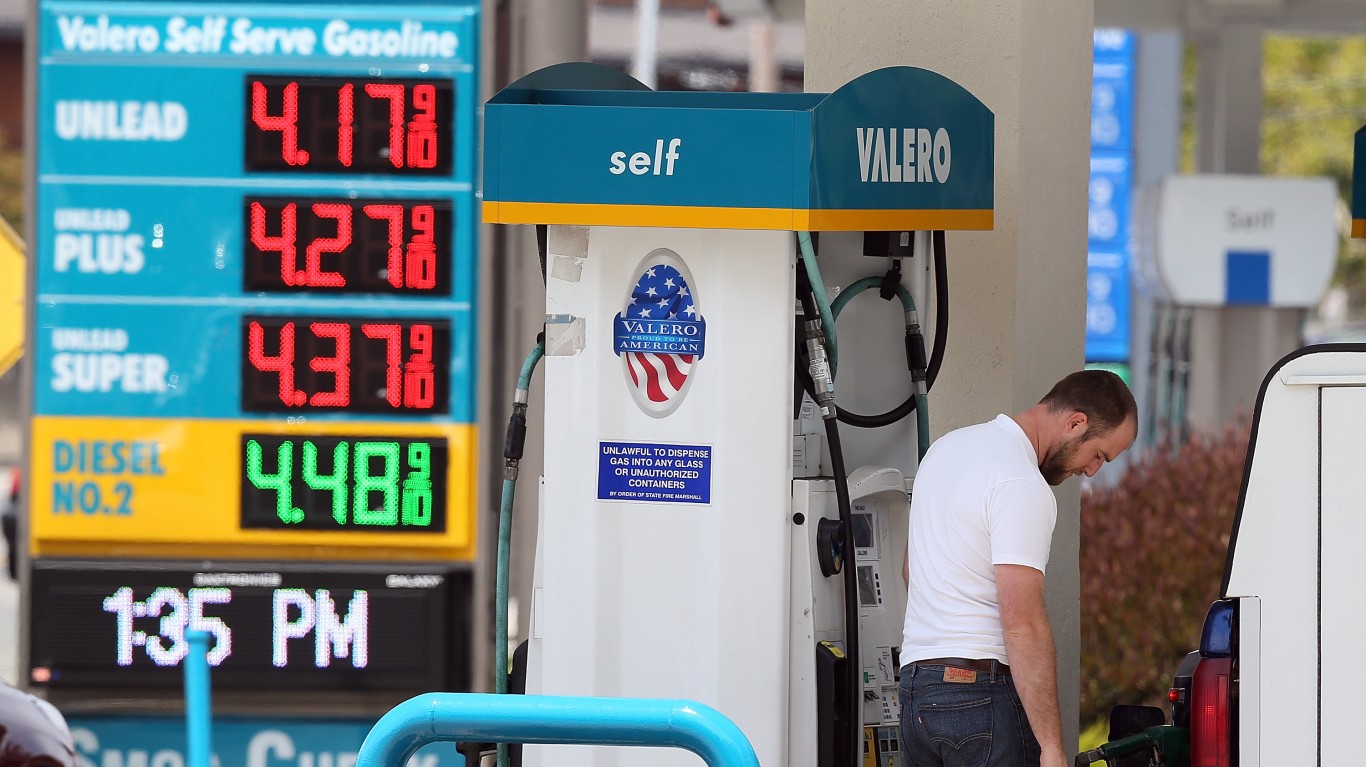
Retail diesel has since eased. Federal weekly data for the week ending August 10, 2026 put the national average retail diesel price at $5.257 per gallon, down nine and a half cents from $5.348 the prior week. Retail sits below the May peak even as the refining margin sets a record. That is Burwell’s “cracks, not crude” dynamic showing up in the data.
Ricardo Guerrero, owner of Caseras Sabor Real food trucks, is living the earlier squeeze. Fuel for his three trucks rose from roughly $500 every five days to over $800. Ingredient costs for meat, lettuce and tomatoes rose 35%. He raised menu prices 10% since the war began and estimates he can sustain current operations only about five more months at this pace.
What the Register Actually Shows
Headline grocery inflation has not spiked. Per the BLS Consumer Price Index release of August 12, 2026 covering July 2026: food-at-home prices rose 2.7% over the last 12 months, unchanged from June, and decreased 0.1% for the month. Three of six major grocery-store food-group indexes fell in July. Animal proteins fell 0.7%, driven by a 1.5% drop in pork prices; fruit and vegetable prices fell 0.1%; dairy products fell 0.1%. On a 12-month basis, fruits and vegetables were up 5.1%, nonalcoholic beverages up 4.1%, cereals and bakery products up 2.7%, meats/poultry/fish/eggs up 1.9%, and dairy down 0.5%.
FMI Vice President Andy Harig commented on the release: “This decline is despite the spike in energy prices following the resumption of conflict in the Strait of Hormuz. However, it is worth continuing to keep an eye on developments in the region as well as the El Niño weather pattern and other ongoing supply chain challenges that could put upward pressure on grocery prices in the months ahead.”
Shoppers are adapting. FMI’s Steve Markenson notes that 75% of grocery shoppers feel they have control over their grocery spending and 67% credit their primary grocery store with helping them stay within budget, leaning on private brands, promotions and loyalty programs.
What to Watch
USDA’s full-year 2026 forecast has food-at-home prices up 2.7%, with a prediction interval of 1.6% to 3.9%. Category divergence is stark: beef and veal up 10.7% on historically low cattle inventories, sugar and sweets up 7.2%, fresh vegetables up 6.8%, while eggs are projected down 30.7%. Consumer sentiment is already fragile, with the University of Michigan reading at 49.5 in June 2026, near recessionary territory.
Diesel does not move grocery prices overnight. The mechanism is real, the lag is months, and Monday’s refining-margin record is a leading indicator worth watching over the next two to three quarters rather than an immediate line item on this week’s receipt.
Contact [email protected] for any questions or corrections.
AJ spent 10 years writing about financial markets at The Motley Fool. His coverage centers on technology stocks and the broader macroeconomic trends, from interest rates to geopolitics, that shape where markets are headed next. AJ is drawn to the stories where big-picture economics and individual companies collide.