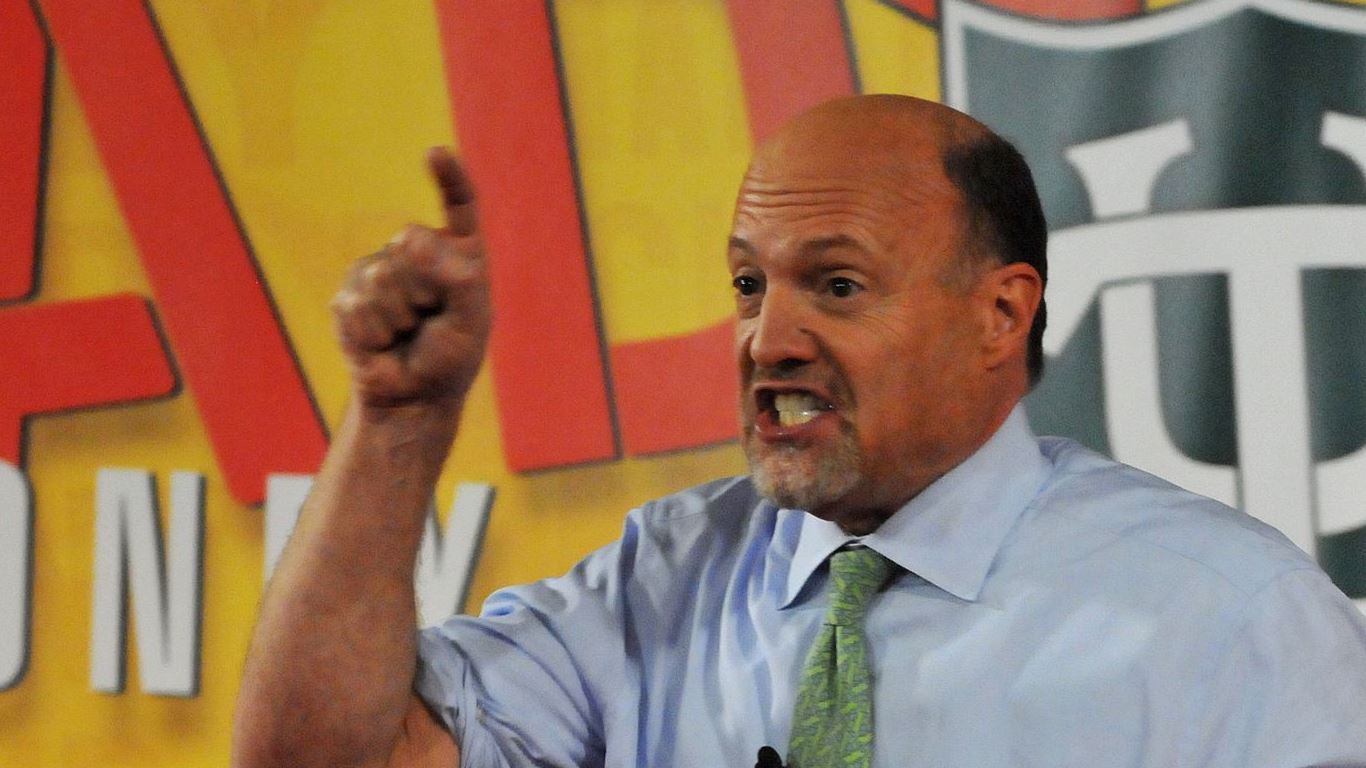
Scott Galloway Blasts SpaceX as “Crazy Overvalued.” Says the Stock Could Fall 90% From Here
NYU professor Scott Galloway just put a price target on SpaceX that would wipe out most investors who bought at the IPO, and a massive share unlock scheduled for Aug. 20 could be the moment that tests whether he is…


NYU Stern professor and Prof G Markets host Scott Galloway told listeners this week that SpaceX (NASDAQ:SPCX | SPCX Price Prediction) shares are worth a fraction of where they trade today. On an episode released around Monday, Aug. 17 to 18, 2026, he said the stock is “still crazy overvalued. I think this is a $10 to $30 stock.” Measured against the Aug. 17 close of $146.23, that range implies roughly 79% to 93% downside. Shares then closed down 1.98% at $143.34 on Aug. 18.

The Unusual IPO That Set the Stage
SpaceX (NASDAQ:SPCX) price and key stats:
SpaceX priced at $135 per share on June 11, 2026 and began trading the next day on NASDAQ, implying a valuation of roughly $1.75 to $1.77 trillion at the IPO price. CNBC reported the stock closed up 19% at $161 on debut. Only about 4.2% of total equity floated publicly (555.6 million Class A shares), with retail earmarked 30% of the float, three times the mega-cap IPO norm. The offering represented a 61% premium to the December 2025 tender-offer valuation of roughly $800 billion. SpaceX was fast-tracked into the NASDAQ-100 effective July 7, 2026, forcing QQQ-tracking funds to buy. Around June 23, 2026, less than two weeks after listing, the company priced a $25 billion bond offering that drew nearly $89 billion in orders, even though it already held $100.8 billion in cash.
Galloway’s Three-Part Bear Case
Galloway’s argument rests on three pillars. First, an artificially scarce public float of only 4% to 5% of shares, combined with forced index-fund buying from NASDAQ-100 inclusion, inflates the price through market mechanics rather than fundamentals. Second, he cast Elon Musk’s talent in financial terms, saying “Musk will go down as the greatest engineer of our time, but as a financial engineer,” framing the valuation as substantially a function of Musk’s ability to generate investor enthusiasm. Third, the $25 billion bond raise despite $100.8 billion in cash shows investors pricing in speculative AI-infrastructure ambitions well beyond the existing rocket and satellite businesses.
Galloway said he would not personally short the stock, because Musk’s ability to drive investor enthusiasm could keep pushing the price higher regardless of fundamentals. His $10 to $30 range reflects an attributed opinion about intrinsic value rather than a forecast of where shares will trade.
The Aug. 20 Supply Overhang
A structural share unlock is scheduled. A 319 million-share unlock is set for Aug. 20, 2026, and roughly 4.9 billion shares, about 70% of non-Musk holdings, will unlock by the end of 2026. The stock fell as much as 4% intraday the day after Galloway’s comments before paring losses, with reporting attributing the move to a mix of his remarks and investors weighing the looming unlock.
The Bull Case Cuts the Other Way
Wall Street disagrees. Consensus is a Moderate Buy with an average 12-month price target of roughly $226 to $232, implying 55% to 62% upside. A Yahoo Finance opinion piece argues the absence of a clean comparable is a feature of SpaceX’s uniqueness rather than evidence of an unanchored price, noting Amazon and Alphabet also lacked clean IPO-era comparables and later reached $2.7 trillion and $4.1 trillion. The same piece argues SpaceX’s three integrated businesses (reusable heavy-lift launch, a newly profitable Starlink broadband unit, national security contracts) have no public equivalent, and that gains have tracked concrete milestones, citing prediction markets pricing SpaceX around $1.5 to $2.5 trillion.

Operating momentum is real. Q2 2026 revenue of $7.81 billion beat the $6.82 billion consensus, EPS came in at -$0.09 versus a -$0.29 estimate, and adjusted EBITDA was $3.54 billion, up 191% year over year. Starlink subscribers doubled to 12.0 million and AI segment revenue grew 247%, per the company’s Aug. 4 earnings release.
What to Watch
The Aug. 20 unlock is the near-term test. It will show how much of SPCX’s price reflects scarcity from a 4.2% float pinned by index buying, and how much reflects durable demand for a business generating 92% revenue growth with a $47.50 billion backlog. Galloway’s bear case rests on real mechanics. The bull case rests on real precedent and operating momentum. The unlocks will pressure both.
Contact [email protected] for any questions or corrections.
AJ spent 10 years writing about financial markets at The Motley Fool. His coverage centers on technology stocks and the broader macroeconomic trends, from interest rates to geopolitics, that shape where markets are headed next. AJ is drawn to the stories where big-picture economics and individual companies collide.