The Smart Money is Onto Something With This Highly-Misunderstood Tech Bargain
Hedge fund legends are quietly loading up on a ride-hailing stock that most everyday investors write off as a dinosaur facing extinction. What they see that the crowd is missing could completely reframe how you think about the autonomous vehicle…

The hedge funds finally had a chance to show their cards, at least the cards they held in the second quarter. And while much of the usual was being scooped up (think the hyperscaler tech darlings as well as the steady financial toll booth plays) by hedge funds, I do think that one name, in particular, really stood out: Uber Technologies (NASDAQ:UBER | UBER Price Prediction), a ride-hailing giant that’s quite misunderstood among everyday investors.
While not every smart money manager was looking to get a piece in the last quarter, some of my favorite big-name hedge funds, including Bill Ackman’s Pershing Square Holdings, David Tepper’s Appaloosa Management, and Terry Smith over at British fund Fundsmith, were pretty big buyers. With shares of Uber going flat in the past two quarters, investors may very well have a shot at actually landing a price that’s close to what the hedge fund stars bought at.
Uber faces new competition, but don’t count it out just yet
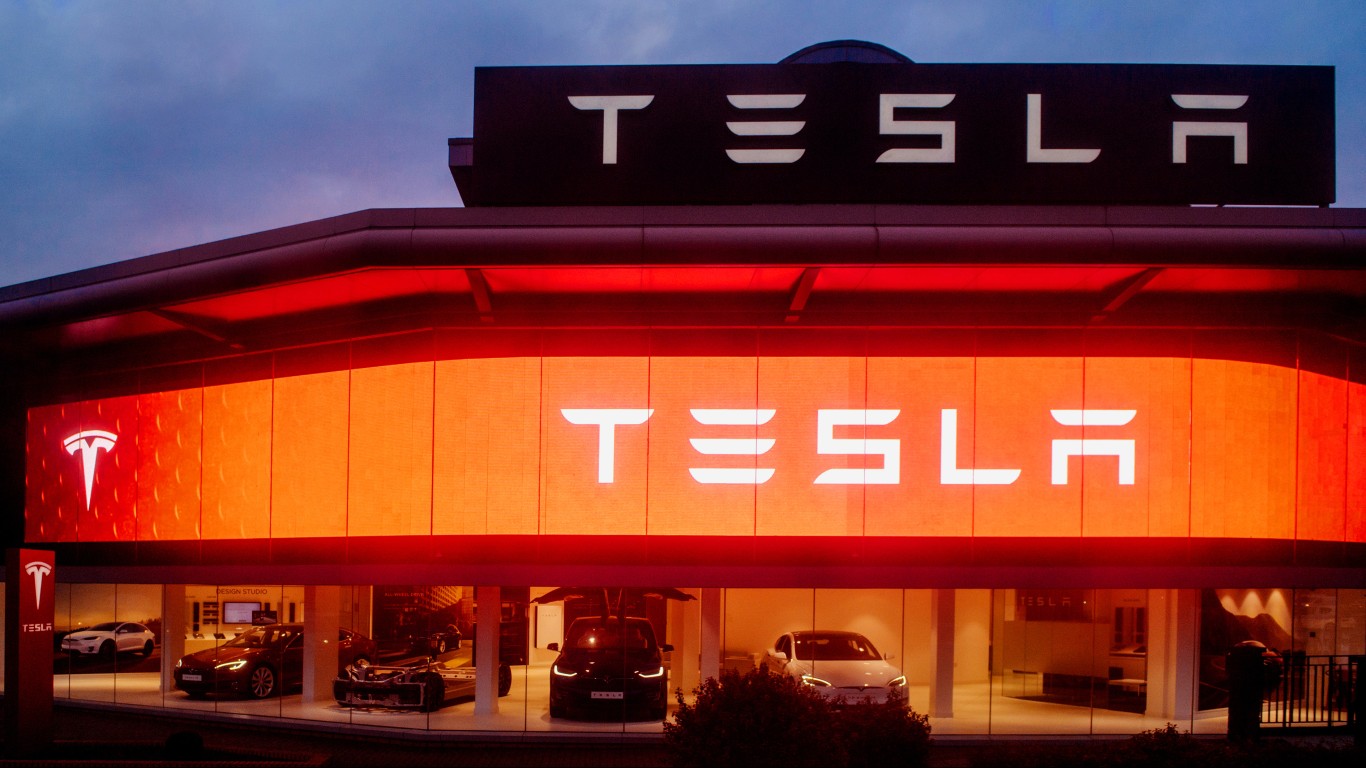
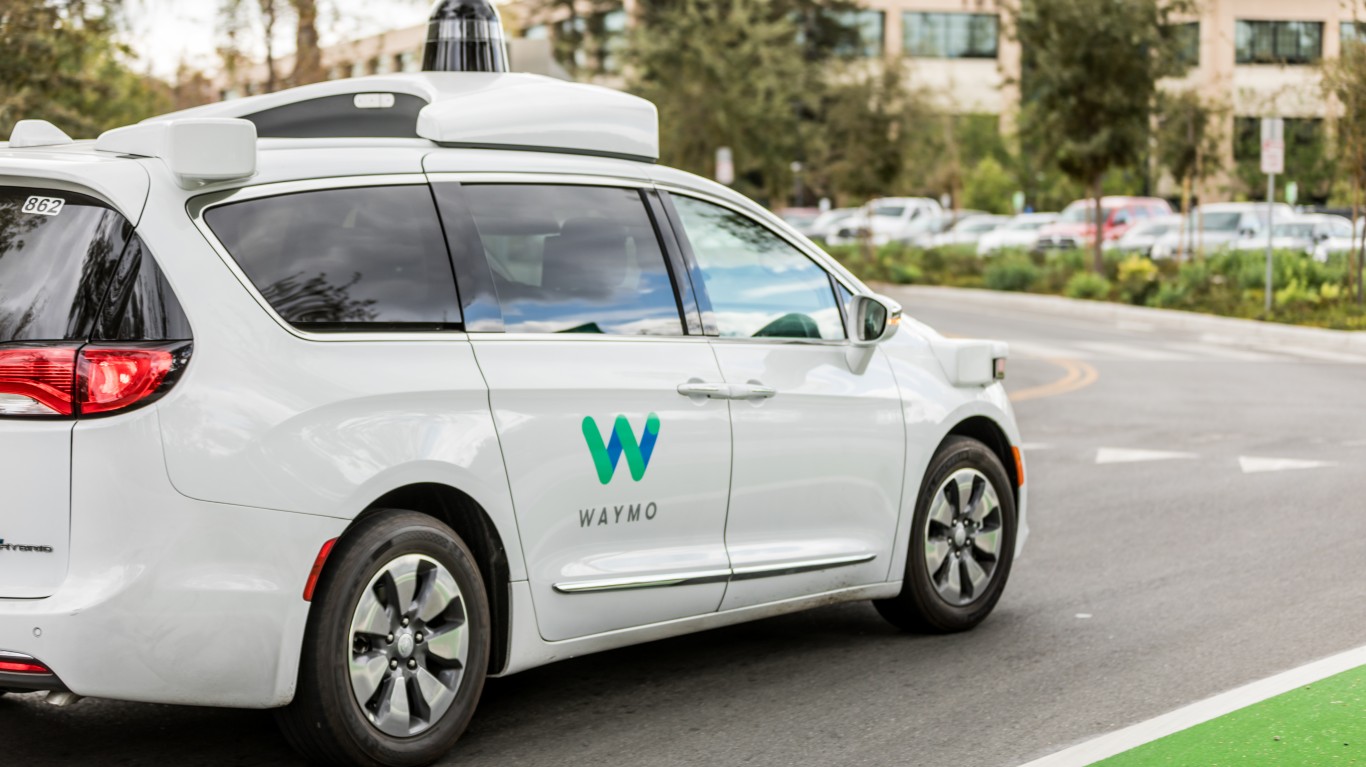
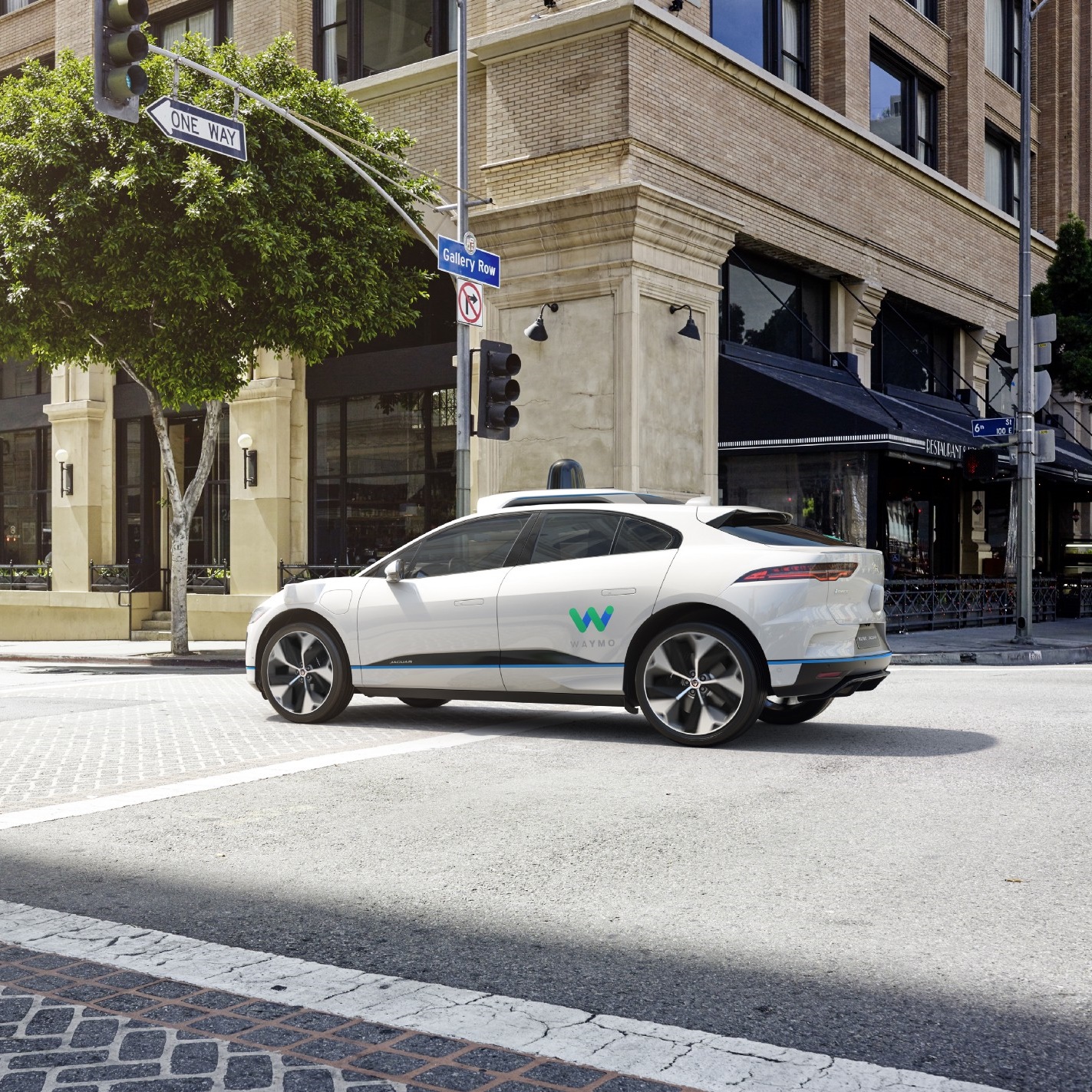
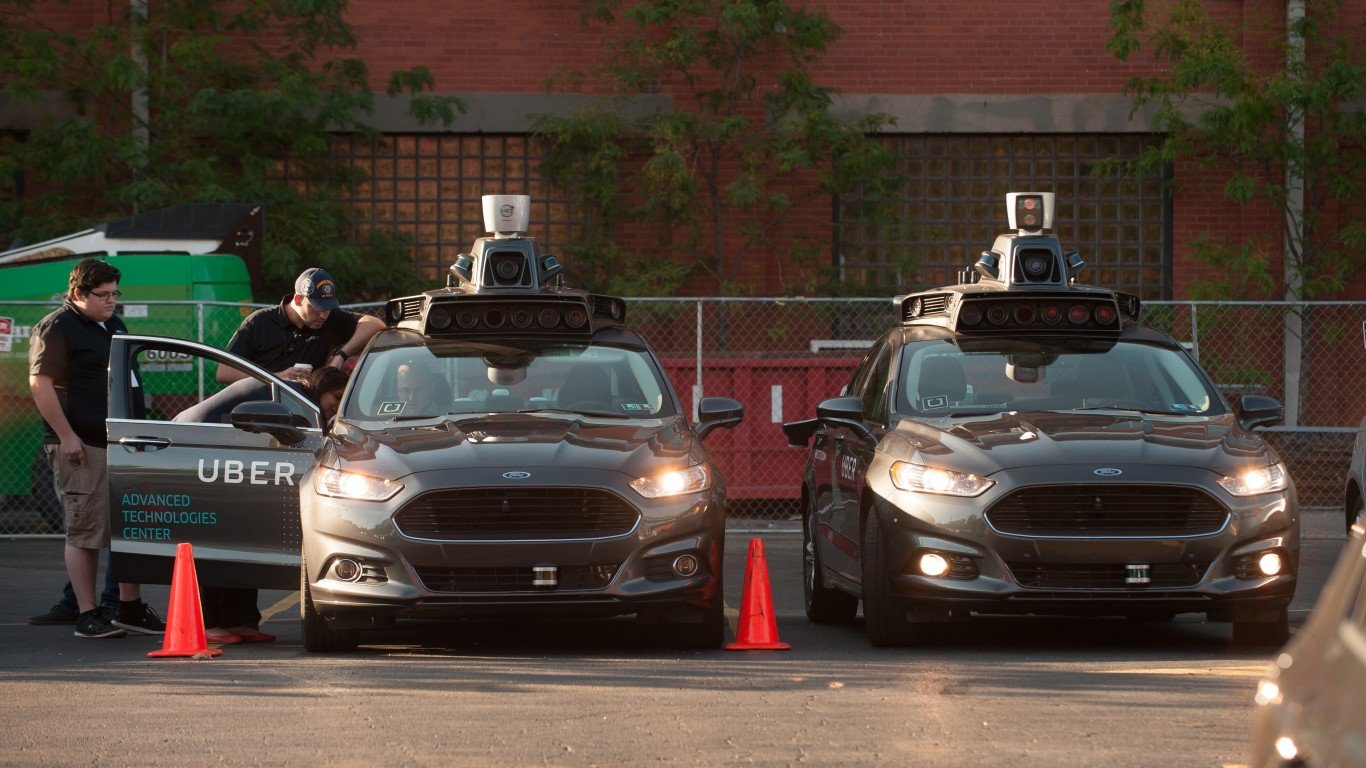
With the rise of agentic AI and autonomous vehicles (AVs), including the likes of Alphabet‘s (NASDAQ:GOOG) Waymo, Tesla‘s (NASDAQ:TSLA) Cybercab, and Amazon‘s (NASDAQ:AMZN) Zoox leading the way, it certainly feels like the mobility and ride-sharing industry is about to change drastically in the next three years.
Undoubtedly, a major part of Uber’s moat is its ability to connect riders with drivers who take care of the fueling up, the cleaning, and, of course, the driving, as well as providing the vehicle itself. It’s Uber’s impressive matching ability that’s allowed it to build one of the most impressive capital-light “tollbooths” of the modern era.
But as agents and autonomy take off, what happens to Uber? With Tesla, Zoox, and Waymo each having their own app, will Uber’s market dominance erode as rivals take share? If you start at the top of a market, there’s only one way to go, right?
That’s the big question that’s clouded in a haze of uncertainty. Indeed, investors aren’t huge fans of uncertainty. Even as AVs go through Uber to fetch their riders, questions linger as to whether that will last and whether things will eventually shift towards the apps of the big firms that have effectively taken control of the entire market vertical.
Indeed, Uber ditched its own AV efforts some time ago, which may be a red flag for some, but a smart move by others. The move doesn’t mean Uber is just going to sit there and hope that riders choose human drivers over AVs as the technology keeps getting better.
Uber’s $10 billion bet on the future of AVs
With Uber announcing a $10 billion investment in robotaxis in a move that could send as many as 120,000 AVs on the roads, perhaps Uber has taken the capital-light route to its eventual transition to becoming a more capital-intensive company. Indeed, if you were in the know about its capital-light nature, you might be less enthused that Uber is going to need to spend more to scale up the fleet as it goes up against some new competition.
When you cut the driver out of the equation, though, there’s the potential for a considerable margin boost. And when you consider that it’s not all too easy to grab Uber’s mindshare, my guess is that it’s going to be far more economical for AV firms to go with Uber in addition to their own apps.
Sure, it’s nice to not have Uber take a cut, but at the end of the day, if Uber is where the riders are, it beats letting a robotaxi sit there idle, waiting for a rider close by to hail. Network density matters, and fleet utilization, I believe, will bring in AV firms, including those with grand ambitions, like Tesla (NASDAQ:TSLA), which isn’t going to be putting Cybercabs on Uber, at least not quite yet.
The bottom line
Even as AVs and agents, which could end up as a ride-hailing aggregator, pose new threats to Uber in the new era, I do think that most roads will eventually find their way through Uber. Like it or not, the capital-light Uber is shifting gears to set the stage for an AV take-off — one that might enable it to retain share and actually earn off its up-and-coming AV rivals.
Whether riders hail one of the AVs that Uber’s deploying or a rival AV, my bet is that riders will either have to keep paying the toll or maybe more to use one of Uber’s AVs. While Waymo might have the most impressive tech, I certainly wouldn’t bet against Uber, as it has the scaling edge that can enable it to move far faster than the vertically integrated players.
Contact [email protected] for any questions or corrections.
Joey is a 24/7 Wall St. contributor and seasoned investment writer whose work can also be found in publications such as The Motley Fool and TipRanks. Holding a B.A.Sc in Computer Engineering from the University of British Columbia (UBC), Joey has leveraged his technical background to provide insightful stock analyses to readers.
Joey's investment philosophy is heavily influenced by Warren Buffett's value investing principles. As a dedicated Buffett disciple, Joey is committed to unearthing value in the tech sector and beyond.