Trump Threatens Iran with ‘Economic D-Day.’ Are Energy Stocks Still Worth Chasing?
Trump's promise of economic warfare against Iran sent crude prices surging, but energy stocks have already soared 44% this year and a single ceasefire tweet could erase those gains in days. Here is how to tell whether today's move is…

Crude oil has spent 2026 trading less like a commodity and more like a mood ring for Middle East tensions. Every fresh headline out of Washington or Tehran seems to move the barrel price a dollar or two, and investors holding energy stocks have learned to treat their portfolios like a news feed.
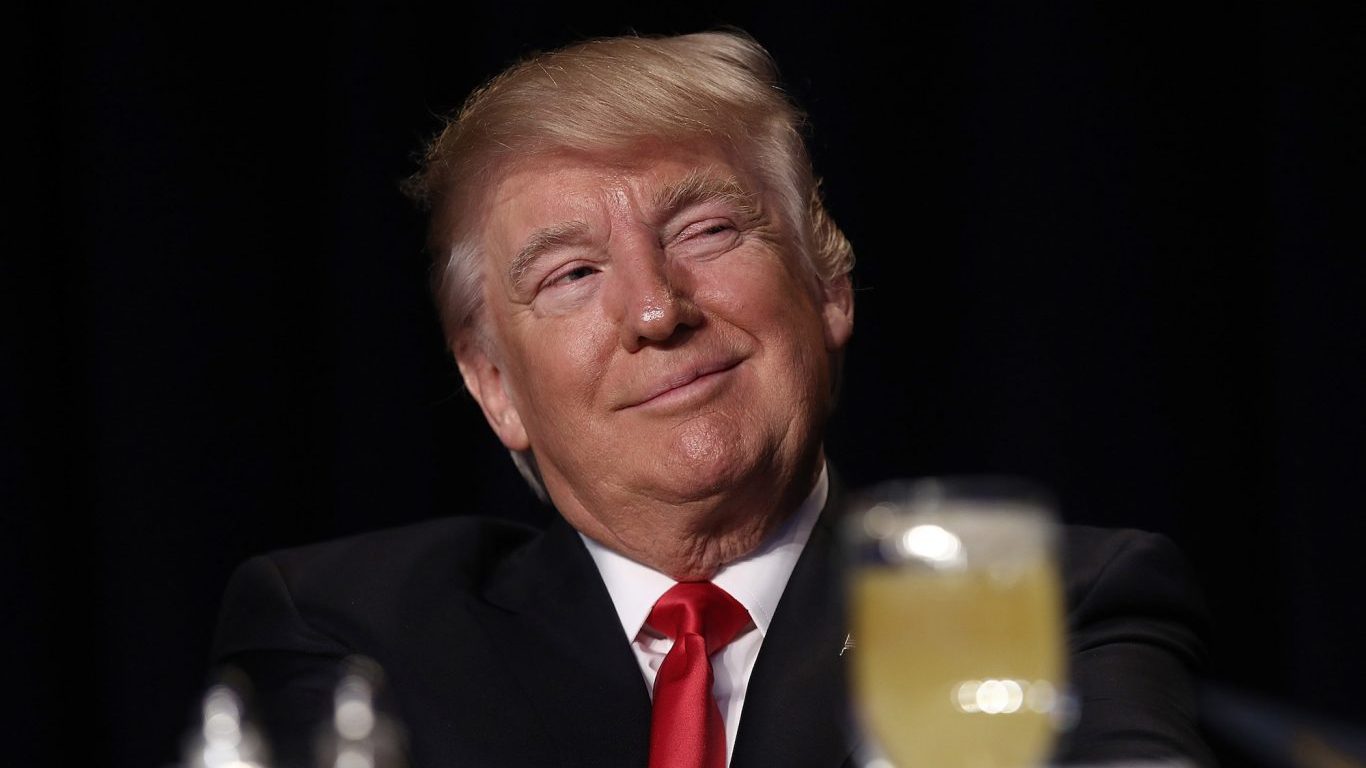
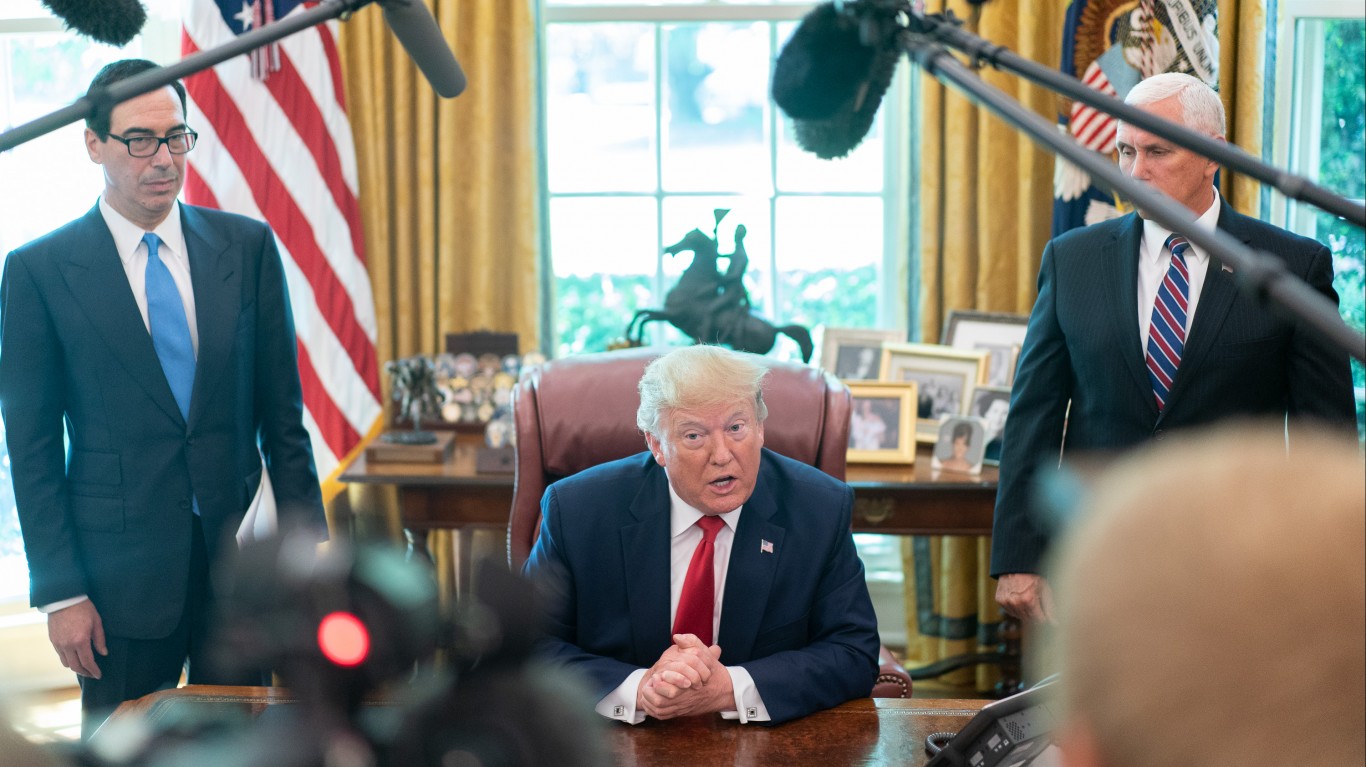
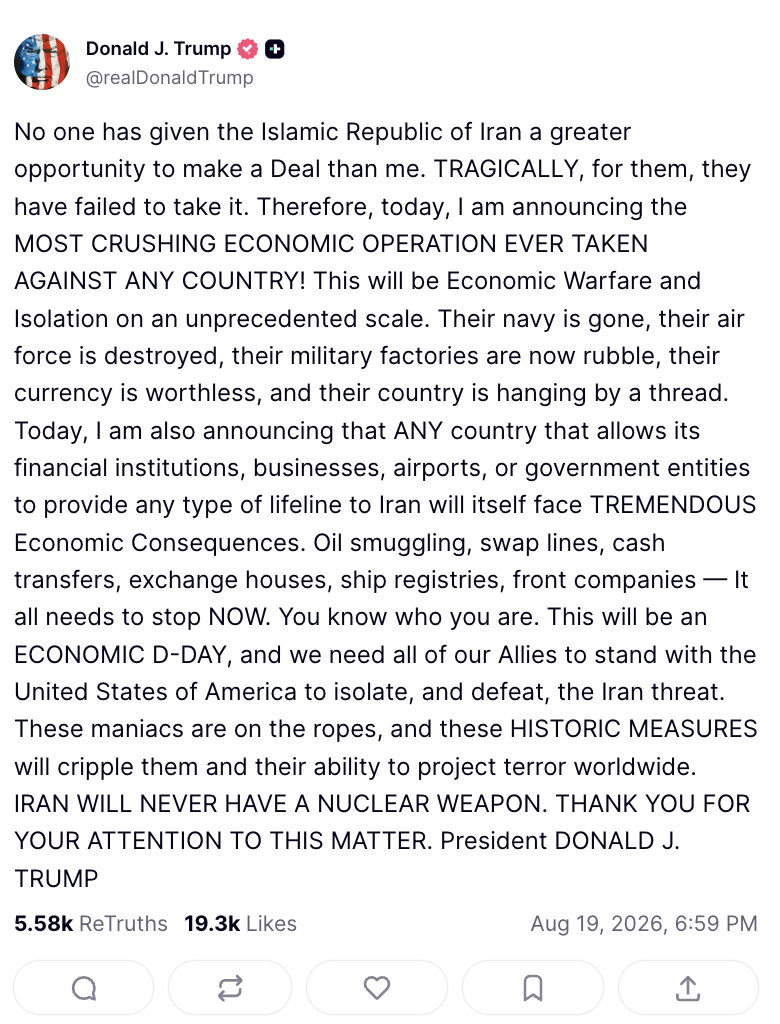
That’s the backdrop for President Trump’s latest Truth Social post, in which he promised an “ECONOMIC D-DAY” against Iran — a sweeping campaign of financial isolation aimed at any country that keeps Tehran’s economy on life support.
Brent crude jumped more than 2% on the news, touching $93.56 a barrel, while West Texas Intermediate rose to $86.36. That’s a genuine move, not a rounding error. But it’s also well short of the panic spikes this war produced earlier in the year, and that gap between then and now tells investors something important about where this trade stands.
Real Money Moved, But Not Runaway Money
Brent touched its highest level in nearly a month on the announcement, and the more than 2% jump confirms traders took the threat seriously rather than dismissing it as noise. Karobaar Capital chief investment officer Haris Khurshid still makes a fair point: six months into this war, the market has learned not to reprice crude on every headline the way it did back in February — this move, while real, is a fraction of the swings that caused it to hit $120 a barrel earlier this year. Traders appear to be pricing incremental escalation risk, not a fresh supply shock.
That is important because the physical evidence remains thin. Kpler shipping data shows only two to three very large crude carriers have transited the Strait of Hormuz daily since July 7, even counting vessels dodging detection — a strait that normally carries roughly a fifth of the world’s oil.
The nearly six-month war has become a battle of economic endurance, with Washington squeezing Iran’s finances while Tehran squeezes global energy supply right back. Iran’s foreign minister, Abbas Araghchi, dismissed the new sanctions push as a distraction from America’s own debt problems — hardly a sign Tehran is preparing to fold, and hardly a reason for oil to keep climbing on rhetoric alone.
Investors Are Watching the Calendar, Not Just the Barrel
Timing is key. The war’s growing unpopularity and high gasoline prices have Republicans worried about losing one or both chambers of Congress in November’s midterms, giving Trump real incentive to manufacture a resolution — or at least the appearance of one. That’s a political tailwind for de-escalation the oil market can’t price with any precision.
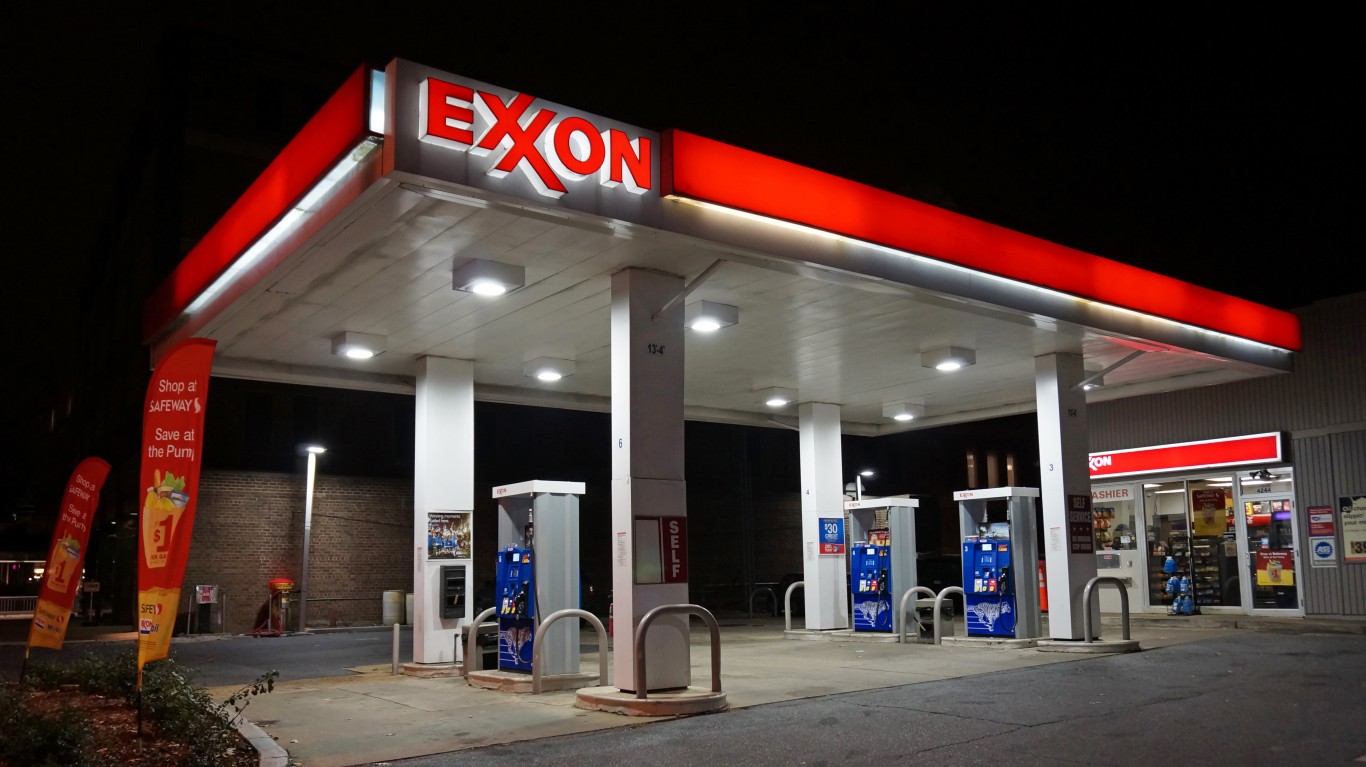
Energy stocks have already banked the upside from six months of disruption. The State Street Energy Select Sector SPDR ETF (NYSEARCA:XLE), has returned over 44% year to date, with ExxonMobil (NYSE:XOM | XOM Price Prediction) up 39% and Chevron (NYSE:CVX) up roughly 36%. Tanker operators have done even better — Frontline (NYSE:FRO) has surged 99% and DHT Holdings (NYSE:DHT) 60% on Hormuz rerouting alone. Sector earnings are projected to climb 57% in 2026, but Wall Street expects that growth to reverse in 2027 once supply normalizes.
Key Takeaway
Oil’s 2%+ jump shows Trump’s Economic D-Day registered as a real escalation, not empty bluster — but the fact that Brent is still trading well below its prior 2026 peaks near $120 tells you the market isn’t betting on a supply catastrophe either.
That’s the balance smart investors should strike too. Energy names like Exxon and Chevron still generate real free cash flow at today’s prices, and tanker stocks remain a legitimate hedge against further Hormuz disruption. But chasing XLE purely on today’s headline is late money — the easy gains from the initial shock are already banked, and a genuine ceasefire could unwind them in weeks.
In the end, rhetoric moved the tape today, but barrels moving through Hormuz will decide where it goes next.
Contact [email protected] for any questions or corrections.
After two decades of patrolling the dark corners of suburbia as a police officer, Rich Duprey hung up his badge and gun to begin writing full time about stocks and investing. For the past 20 years, he’s been cruising the markets looking for companies to lock up as long-term holdings in a portfolio while writing extensively on the broad sectors of consumer goods, technology, and industrials. Because his experience isn’t from the typical financial analyst track, Rich is able to break down complex topics into understandable and useful action points for the average investor. His writings have appeared on The Motley Fool, InvestorPlace, Yahoo! Finance, Money Morning, and, of course, 24/7 Wall St. He has been featured in both U.S. and international publications, including MarketWatch, Financial Times, Forbes, Fast Company, and USA Today.