Elon Musk: “Starlink Now Has 11k Satellites in Orbit.” Amazon Hasn’t Even Cracked 1,000.
Elon Musk just announced Starlink crossed 11,000 satellites in orbit, but the real story is where Amazon's much-hyped Kuiper constellation actually ranks against the competition and what that gap means for investors betting on the LEO broadband race.


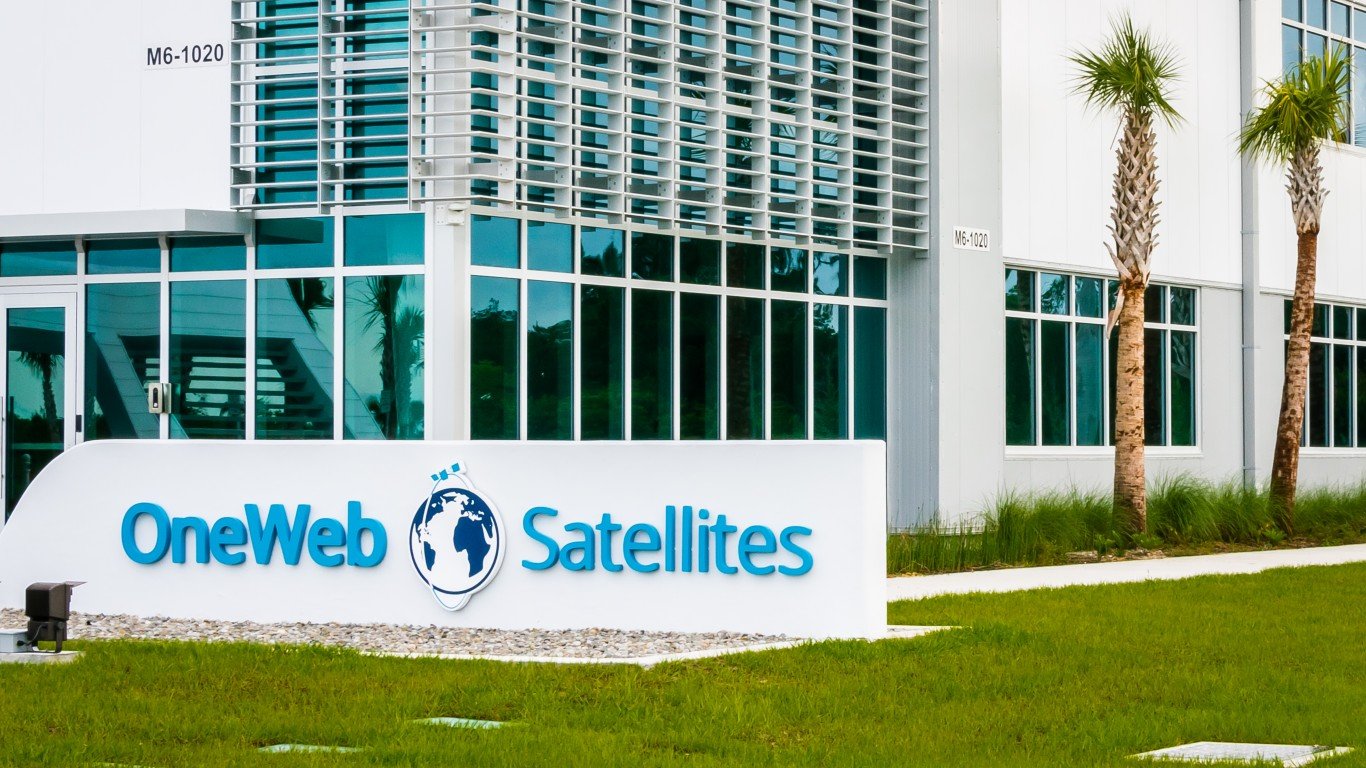
Elon Musk posted on X today that “Starlink now has 11k satellites in orbit”, quote-posting a SpaceX update about a Falcon 9 launching 29 Starlink satellites from Florida. The number is worth pausing on for investors trying to size up the low-earth-orbit broadband race, because the assumption that Amazon (NASDAQ:AMZN | AMZN Price Prediction) is Starlink’s closest rival by fleet size is wrong. Amazon’s satellite unit currently sits in a dismal third place, well behind OneWeb.
What the Satellite Catalog Actually Shows
According to the KeepTrack satellite catalog as of July 2026, the five largest LEO constellations rank as follows:
| Rank | Constellation | Operator | Satellites in orbit |
|---|---|---|---|
| 1 | Starlink | SpaceX | 10,783 |
| 2 | OneWeb | Eutelsat | 654 |
| 3 | Amazon Leo (Kuiper) | Amazon | 394 |
| 4 | Qianfan | Spacesail | 238 |
| 5 | Guowang | China SatNet | 186 |
KeepTrack’s own framing captures the scale: Starlink accounts for more than half of all 19,447 tracked payloads in Earth orbit, and more than five times the rest of the top ten constellations combined. SpaceX has launched 12,444 Starlink satellites since May 2019; roughly 1,660 have already reentered, meaning SpaceX has deorbited more satellites than OneWeb has ever launched. Launch cadence runs roughly two to three Starlink missions per week.
SpaceX’s Public-Market Footprint
SpaceX (NASDAQ:SPCX) trades under SPCX following its June 2026 IPO, with a market capitalization around $1.05 trillion. Starlink sits inside the Connectivity segment, which posted $4.29 billion of Q2 2026 revenue, up 66% year over year, with subscribers doubling to 12 million. Enterprise and Government connectivity, which includes Starshield, grew 108%. The Q2 8-K exhibit shows ARPU declined from $85 to $66 as the base broadened.
Amazon Leo’s Bull Case
Fleet count is an input to the outcome, and Amazon has real levers. Andy Jassy told investors on the Q2 call that “Amazon Leo has close to 400 satellites in orbit, enough to begin initial satellite internet service this year”, and cited “meaningful revenue commitments from enterprises and government customers” plus “more than 20 partners who will extend the reach of our network across the globe.”
Amazon holds regulatory approval for a far larger constellation than it has deployed: the first-generation system tops out at 3,236 satellites, with the FCC approving roughly 4,500 additional satellites in February 2026. Amazon missed its July 2026 milestone of roughly 1,600 satellites and asked for an extension to 2028; the FCC lifted the looming deadline in June 2026. The Leo Ultra terminal advertises 1 Gbps download and 400 Mbps upload. Commercial wins include Delta Air Lines, JetBlue, Australia’s National Broadband Network, Kazakhtelecom, and a Vodafone deal for Europe and Africa coverage. Balance-sheet capacity is ample: Amazon guided to roughly $200 billion in 2026 capital expenditures across AI, chips, robotics, and LEO satellites, with AWS growing 37% in Q2. AMZN trades at $258.50, up 12.69% year to date.
What Actually Decides the Race
The outcomes that matter for investors are subscribers, capacity per satellite, service availability dates, and ground infrastructure. Starlink’s 12 million-plus subscriber base demonstrates the lead more than any fleet count does. Amazon has to close a scale gap while also proving unit economics on a network that has not yet begun commercial service. The Delta partnership, with in-flight service beginning in 2028, is the timeline to watch.
Contact [email protected] for any questions or corrections.
I've spent more than 15 years inside enterprise software, working alongside the finance, sales operations, and HR leaders who run the revenue engines at some of the largest tech companies in the country.
My day job is helping enterprise executives make smarter decisions about retention, compensation, and growth. These are the same operational levers that show up in every earnings report investors actually read. That perspective shapes my writing for 24/7 Wall St.
The headline numbers are easy. The interesting stuff is underneath: how companies make money, what executives are worried about, and what any of it means for the person checking their 401(k) on a Sunday afternoon. I write about personal finance and business as someone who has spent her career inside the rooms where these decisions get made.