Elon Musk Admits China Is “By Far” Strongest AI Competitor, As Chinese Robot Smashes Usain Bolt’s 100m World Record
Elon Musk made a candid public admission about China's AI strength on Aug. 19, 2026. Days later, a Chinese humanoid robot won the 100m final at the Second World Humanoid Robot Games in 8.64 seconds, well below Usain Bolt's 9.58-second…

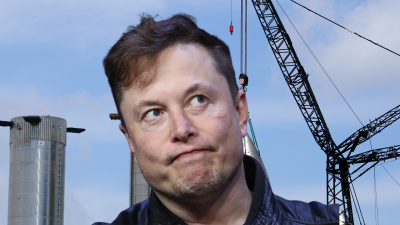
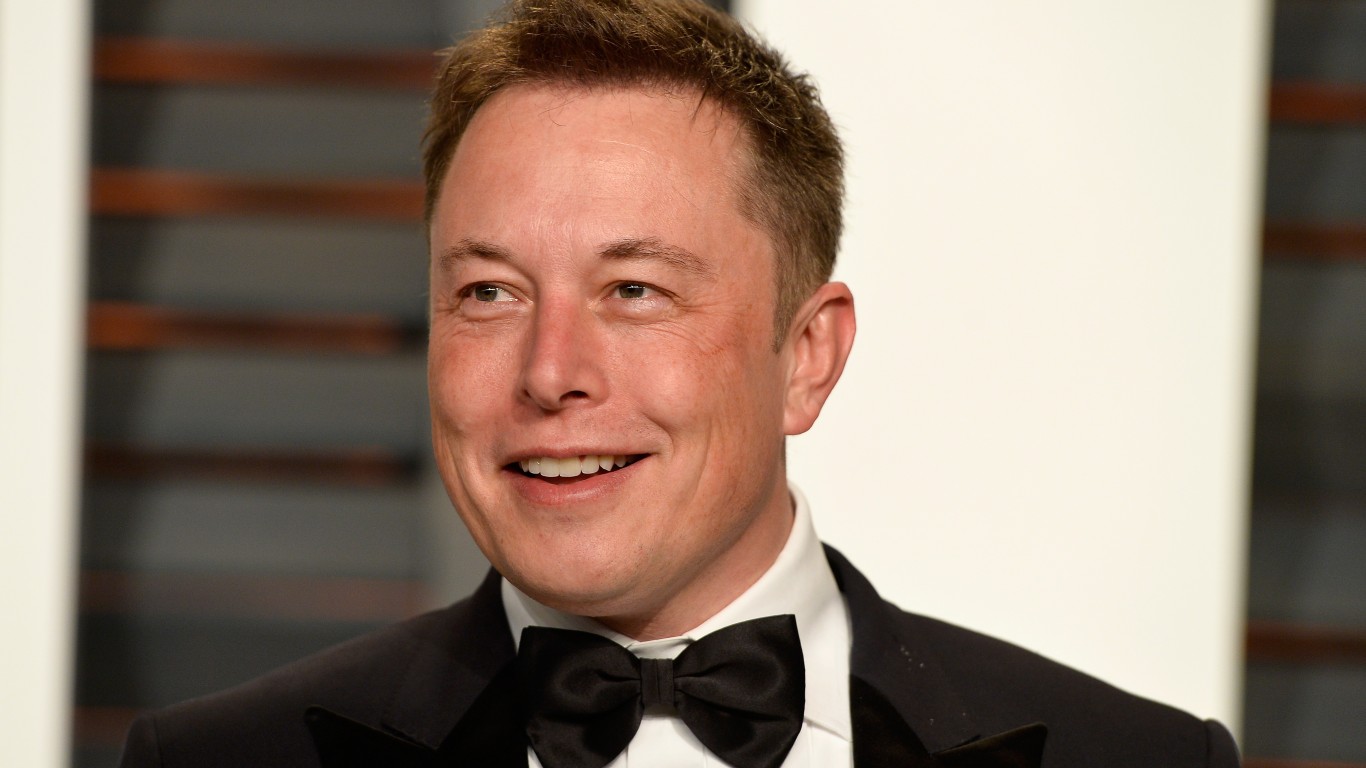
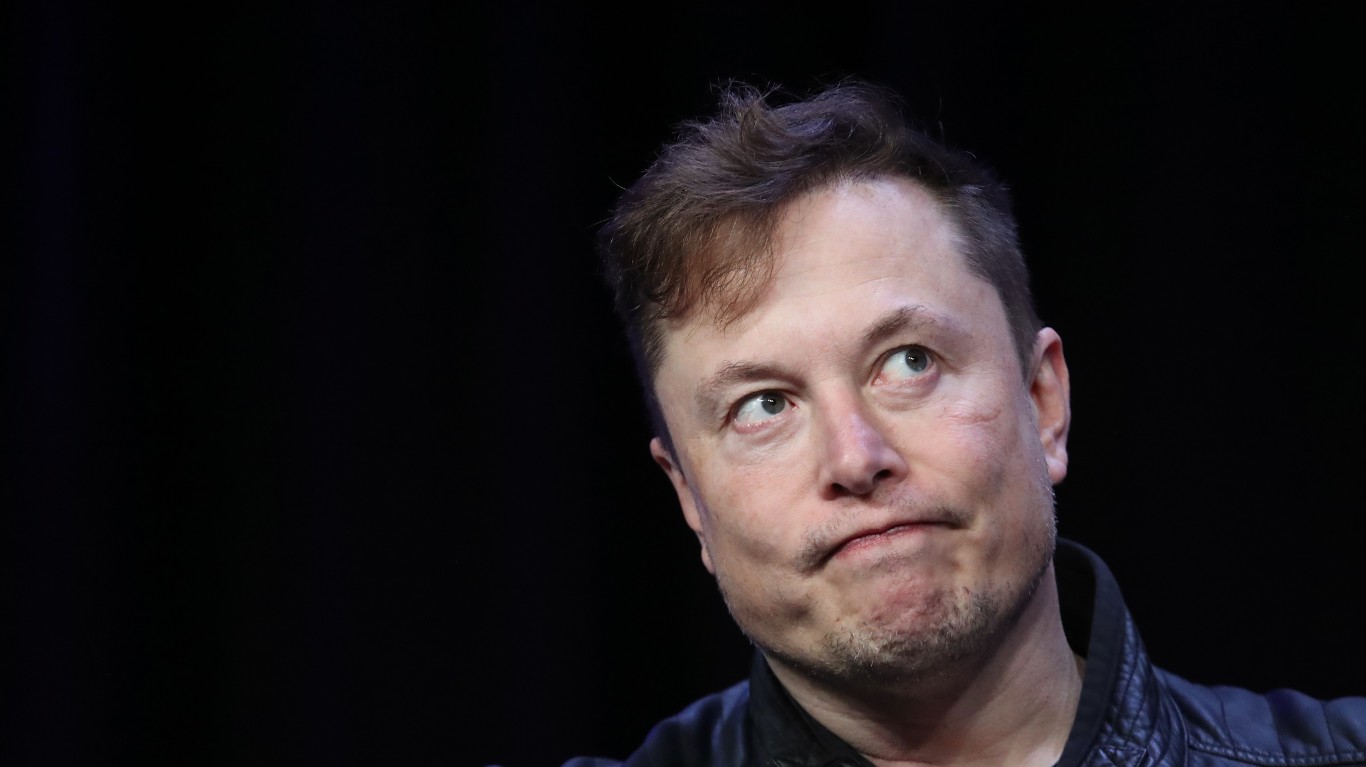
On Aug. 19, 2026, Elon Musk posted on X: “China is also by far the strongest competitor in AI.” Three days later, a Chinese humanoid robot ran 100 meters faster than Usain Bolt’s world record at the Second World Humanoid Robot Games in Beijing. By the time the five-day competition closed on Aug. 26, the headline time had dropped even further.
On Aug. 22, 2026, Musk retweeted a post by Trung Phan reading: “Chinese humanoid robot by smartphone maker Honor (‘Lightning’) ran 100m in 9.32 seconds (Usain Bolt’s record is 9.58 seconds).” With that retweet, Musk amplified the result to his audience of roughly 200 million followers.
Musk’s Aug. 19 Post in Context
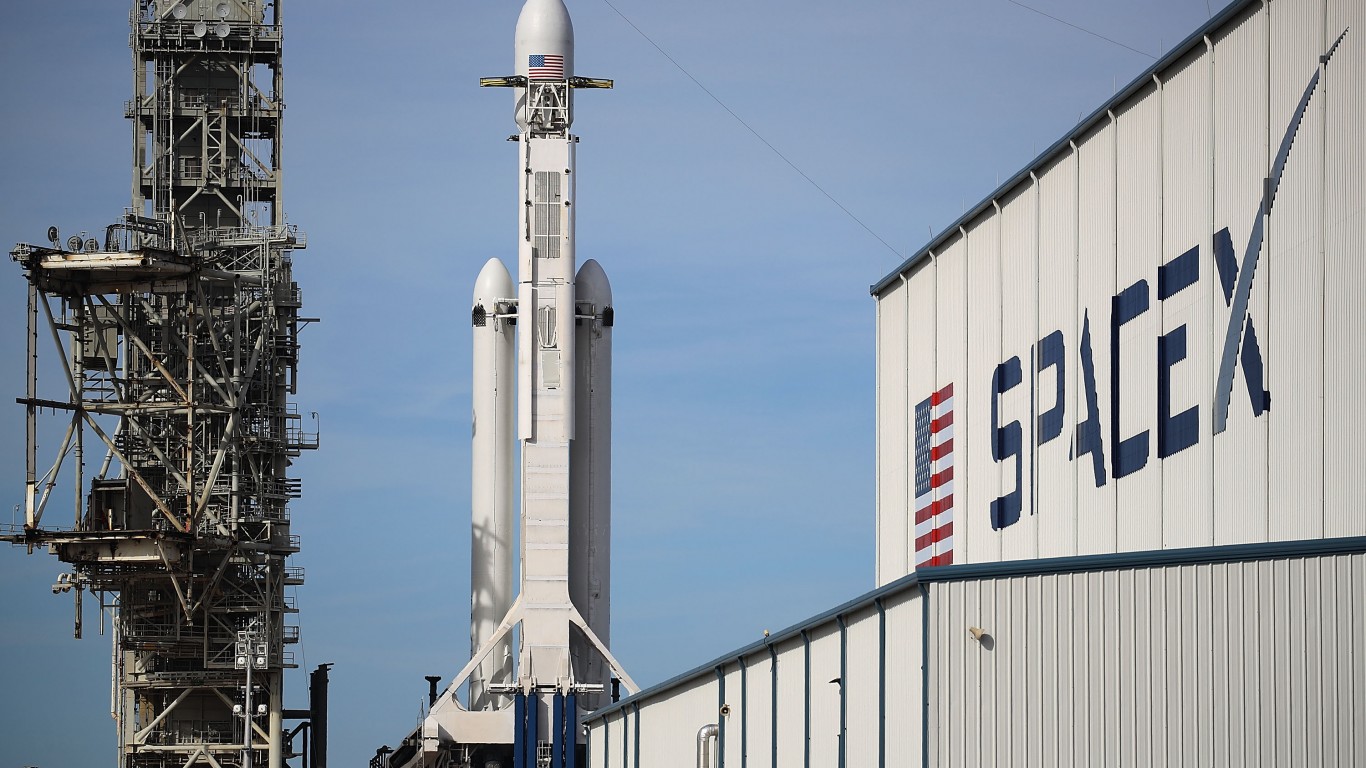
Musk was replying to tech commentator Brian Roemmele, who had resurfaced a 2011 Musk prediction: “SpaceX has Boeing, Lockheed, Europe (Ariane) and Russia (Proton/Soyuz) near checkmate in rocket technology. End game is all about China.” That framing has aged well. Chinese company LandSpace recently achieved the first successful recovery of its Zhuque-3 orbital rocket’s first stage, a step toward reusability that could pressure SpaceX (NASDAQ:SPCX | SPCX Price Prediction) in launch by roughly 2030. SpaceX completed its IPO on the Nasdaq in June 2026.
Race Times, Precisely
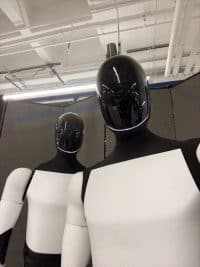
Several times are circulating from the Games, and they require context to interpret correctly. On opening night, Aug. 22, Tiangong Ultra, built by the Beijing Humanoid Robot Innovation Center, won an official preliminary heat in 9.39 seconds, clearing Usain Bolt’s 9.58-second world record set in 2009. The robot stumbled after crossing the line and crashed into a padded safety barrier. Tom’s Hardware reported a top speed of 23.8 mph during the run. Honor’s “Lightning” finished the same heat in 9.47 seconds before falling and being carried off. A Unitree robot completed the heat in 12.41 seconds. Lightning’s 9.32-second time, the figure Musk amplified, came from a pre-Games test rather than competition.
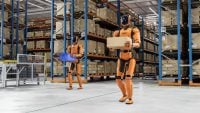
The pace of improvement only accelerated as the week went on. By Aug. 25, a Chinese humanoid robot set a new record of 8.86 seconds, and when the 100m final was run on Aug. 26, Tiangong Ultra crossed the line in 8.64 seconds, well clear of any human benchmark. For comparison, the best time in the 2025 inaugural Games was 21.50 seconds, meaning the record fell by more than 60% in a single year. Robots also beat human world records in the 400m (38.15 seconds against the human mark of 43.03 seconds) and the 1,500m (2 minutes 21.64 seconds). In the standing high jump, Tiangong Ultra cleared 3.40 meters in the final, a full 95 centimeters above the human world record of 2.45 meters held by Cuban athlete Javier Sotomayor since 1993. The Games drew 2,056 humanoid robots and 666 teams from 16 countries across 51 events. Experts caution that the technology remains largely at the demonstration and research stage.
Broader AI Evidence, Model by Model
Chinese model releases have kept pace with the hardware milestones. Moonshot AI’s Kimi K3, launched July 16, 2026, ranked first on Arena.AI’s Frontend Code leaderboard with a score of 1,679, ahead of Claude Fable 5 at 1,631 and GPT-5.6 Sol at 1,618. It was the first Chinese model to hold that position, and it arrived as an open-weight release with roughly 2.8 trillion parameters. Moonshot’s own team noted that on overall rankings K3 still trails the top closed-source models from Anthropic and OpenAI, but the coding result alone marked a significant shift in the competitive picture. DeepSeek V4-Pro, meanwhile, is priced around $0.87 per million output tokens versus roughly $50 per million output tokens for Anthropic’s Fable, illustrating the cost gap that has drawn US developers toward Chinese models. Z.ai’s GLM-5.2 (June 2026) stands out for coding and creative-design tasks at about $4.40 per million output tokens, and Meituan’s LongCat-2.0 reportedly matched OpenAI and Anthropic’s February 2026 releases while training entirely on Chinese-made processors. On one routing platform in July 2026, Chinese models reportedly accounted for 57% of tokens consumed by US companies, with Airbnb, DoorDash, Coinbase, and Cursor among the cited adopters. Model pricing moves quickly; these are point-in-time figures.
January’s Distinct Concession
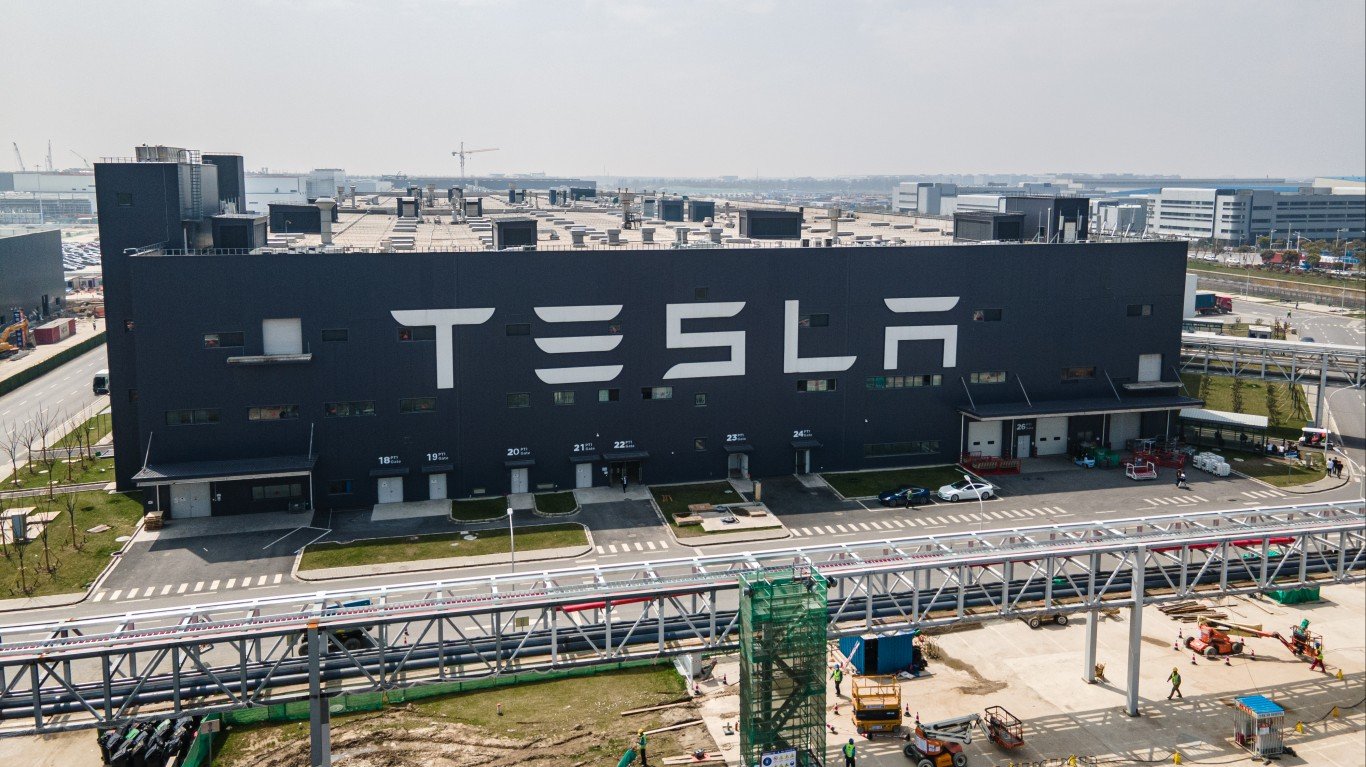
On Tesla’s January 2026 earnings call, Musk made a related but distinct remark, focused specifically on humanoid robots: “By far the biggest competition for humanoid robots will be from China. China is incredibly good at scaling manufacturing, actually quite good at AI… China will definitely be the toughest competition for Tesla.” He still frames Optimus in maximalist terms, saying he expects it to become “the biggest product of all time by far” and that “nothing will even be close.” On that same call, Musk said Tesla would “probably” unveil Optimus 3 within a few months, a deadline the company subsequently pushed from Q1 to Q2 to late July and then later still, with no formal Gen 3 body reveal having taken place as of late August 2026. Tesla’s Q2 2026 results showed record deliveries of 480,126 vehicles, but operating income fell 57% to $398 million and operating margin contracted to 1.4%, down from 4.1% a year earlier, as the company poured capital into AI, robotics, and new manufacturing lines.
Optimus by the Numbers, and the US Response
Tesla had shipped only about 150 humanoid units by January 2026, ranking 9th globally in cumulative shipments. Chinese rivals operated at a very different scale. Unitree and Agibot each sold more units in 2025 alone, roughly 5,500 and 5,168 respectively, than Tesla’s entire stated annual target. Chinese firms accounted for roughly 90% of global humanoid robot sales in 2025, per Rest of World. Together, Unitree, Agibot, and UBTech made up about 87% of global shipments as of January 2026, according to FCC filings.
Washington’s response has sharpened. On July 28, 2026, the FCC banned new authorizations for foreign-made humanoid and quadruped robots, citing national-security and cybersecurity concerns. The Pentagon separately added Unitree to its list of companies it deems tied to the Chinese military. China’s Foreign Ministry called the restrictions an overreach of national security authority and said “protectionism does not make the U.S. more competitive.”
Tesla (NASDAQ:TSLA) shares closed at $362.86 on Aug. 21, 2026, down 19% year to date. SpaceX finished at $136.97 on the same date, up 19% over the prior month. The CEO of two of America’s most prominent technology companies is now saying publicly what critics had argued for months, and the evidence arriving from Beijing keeps making the point for him.

Editor’s note: This update adds the final results from the Second World Humanoid Robot Games, including Tiangong Ultra’s 100m final time of 8.64 seconds and its standing high jump record of 3.40 meters, both set after this article’s original publication date. It also clarifies that Kimi K3’s Arena.AI ranking applied to the Frontend Code leaderboard specifically, adds Tesla’s Q2 2026 operating margin of 1.4%, and notes that the Optimus 3 unveil had not occurred as of late August 2026 despite multiple stated deadlines.
Contact [email protected] for any questions or corrections.
AJ spent 10 years writing about financial markets at The Motley Fool. His coverage centers on technology stocks and the broader macroeconomic trends, from interest rates to geopolitics, that shape where markets are headed next. AJ is drawn to the stories where big-picture economics and individual companies collide.