Apple at $310: Little Room to Grow But Still a Buy
Apple just pulled back from its 52-week high while retail sentiment sours and analysts argue the valuation leaves no room for error. Here is why that pessimism may be the most reliable entry signal the stock has offered all year.

Apple (NASDAQ:AAPL | AAPL Price Prediction) at $310.34 looks attractive on a risk-adjusted basis, even with the acknowledgment that a $4.5 trillion company has a low ceiling for near-term multiple expansion. The stock has pulled back from a 52-week high of $344.27 just as retail chatter shifts from euphoria to a “priced-in” refrain, which is exactly when quality tends to reward patience over reaction.
Apple sits at the center of the consumer electronics and services universe with an installed base of more than 2.5 billion active devices and a Services engine now running above $30 billion per quarter. Three consecutive quarters of double-digit revenue growth, capped by $109.4 billion in June quarter revenue, up 16% year over year, have moved the stock from the mid-$200s in January to the low $300s today.
Why the Bulls See a Compounding Machine Getting Stronger
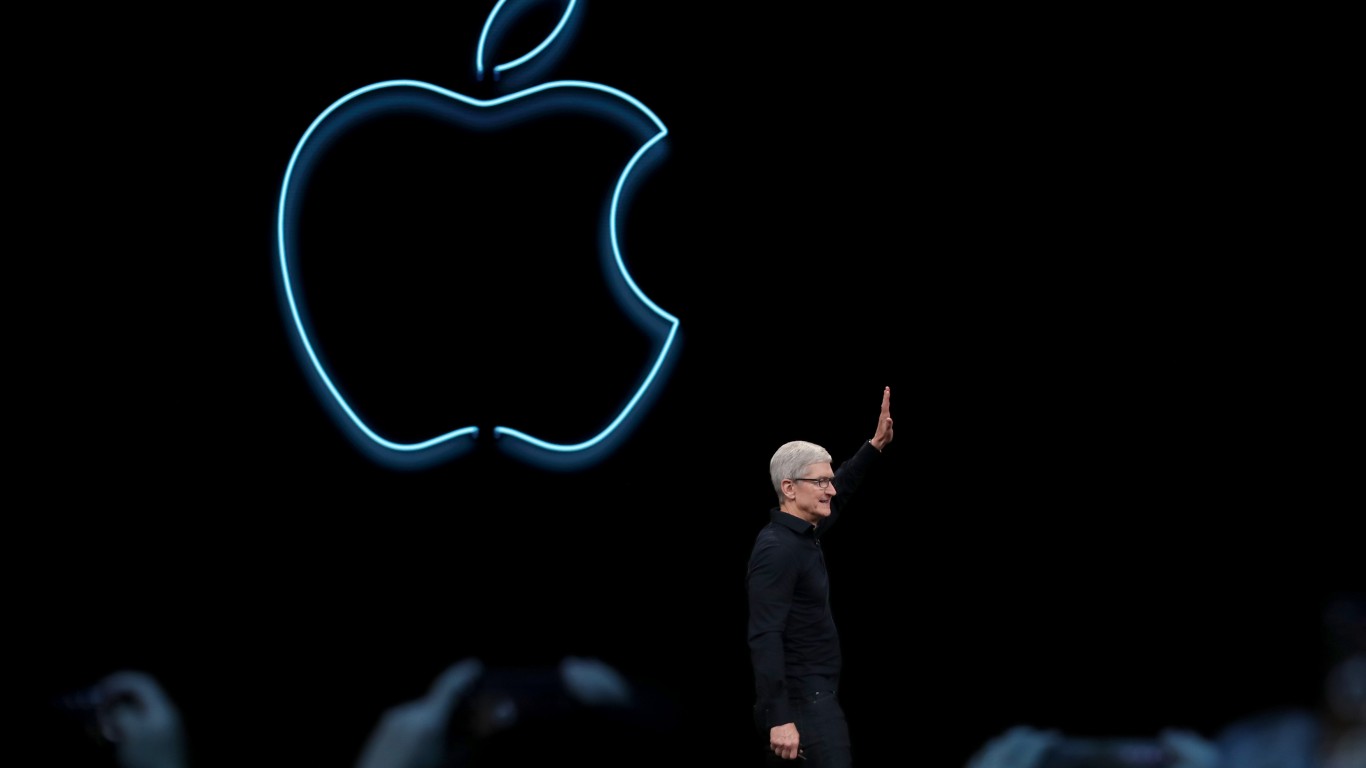
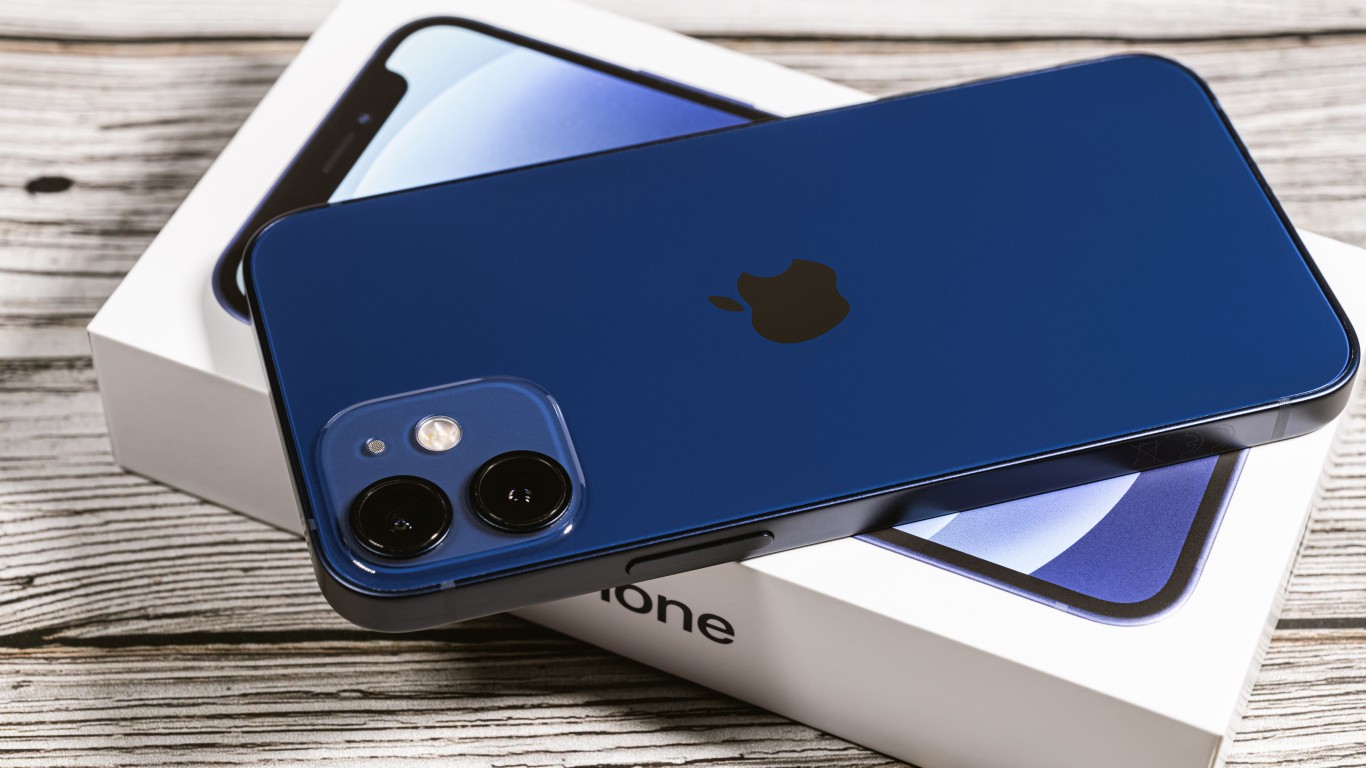
The iPhone 17 cycle is running hotter than expected. iPhone revenue reached $54.3 billion, up 22% year over year, with Tim Cook calling it “an incredibly strong iPhone and Mac product cycle that has really yielded demand beyond our expectation.” Mac revenue grew 29%, and Services set records in every category.
Capital returns anchor the bull case. Apple deployed $33 billion to shareholders last quarter, and management authorized an additional $100 billion share-repurchase program. With $147 billion in cash and marketable securities and Siri AI generating what Cook called “overwhelmingly positive” beta feedback, the setup for FY27 is strong.
Where the Bear Case Bites Hardest
Valuation is the problem. Apple trades at 35x trailing earnings and 32x forward earnings, well above its historical average, with a PEG ratio of 2. The Q3 EPS beat was flattered by roughly 11 cents from tariff refunds and two percentage points of gross margin, a one-time tailwind that will not repeat.
Memory costs are a structural headwind. Cook cited a “100-year flood on the memory pricing” that forced reluctant price increases. The most upvoted Reddit thread of the month was titled “Everything is priced in.”
Why Patience Pays Here
Analyst opinion is genuinely split. The consensus target sits below the current price, and September-quarter guidance of 9% to 11% revenue growth implies deceleration from the recent double-digit pace. Investors waiting for a re-rating catalyst have reason to sit tight through the iPhone 18 cycle and Siri AI monetization clarity.
How the Numbers Line Up Against the S&P 500
Apple currently trades at $310.34 against a Wall Street consensus target of $324.45, implying modest single-digit upside. Coverage spans 46 analysts: 6 Strong Buy, 22 Buy, 14 Hold, 2 Sell, and 2 Strong Sell. Targets are one data point among many.
Year to date, Apple is up 14.47% versus 11.96% for the S&P 500, and over one year, Apple returned 36.76% against 18.31% for the index. The stock is off 6.73% over the past month, offering a better entry than late July.
Why Apple at $310 Still Screens Favorably
At $310, the risk-reward on Apple still skews favorable.
The path to appreciation is unglamorous but reliable. Apple generates over $100 billion in annual free cash flow, and every dollar not reinvested compresses the share count against rising earnings. With a beta of 1.086 and a fortress balance sheet, Apple functions as institutional capital’s flight-to-quality vehicle inside the Magnificent Seven when higher-beta AI names correct.
The nearest catalysts are the iPhone 18 launch, Siri AI’s full rollout, and the resolution of the App Store appeal at the Supreme Court. The thesis breaks if China deteriorates materially from the current $18.8 billion quarterly run rate or if memory costs compress gross margins below the guided 47% to 48% range.
The ceiling is lower than in prior cycles, but so is the floor. Buying quality at a modest discount to its recent high is how compounders are accumulated, and Apple at $310 fits that description.
Contact [email protected] for any questions or corrections.
Alex Sirois is a financial writer with experience spanning both retail and institutional investing. He has written for InvestorPlace and held roles at BNY Mellon and Bernstein, giving him a perspective that bridges Main Street portfolios and Wall Street analysis.
Alex holds an MBA from George Washington University and has built his career across multiple industries, including e-commerce, education, and translation — a breadth of experience that informs how he breaks down complex financial topics for everyday investors. His writing is conversational, actionable, and grounded in long-term, buy-and-hold investing principles.
At 247 Wall St., Alex focuses on delivering analysis that is both accessible and useful, with a clear emphasis on helping readers make more informed decisions with their money.