




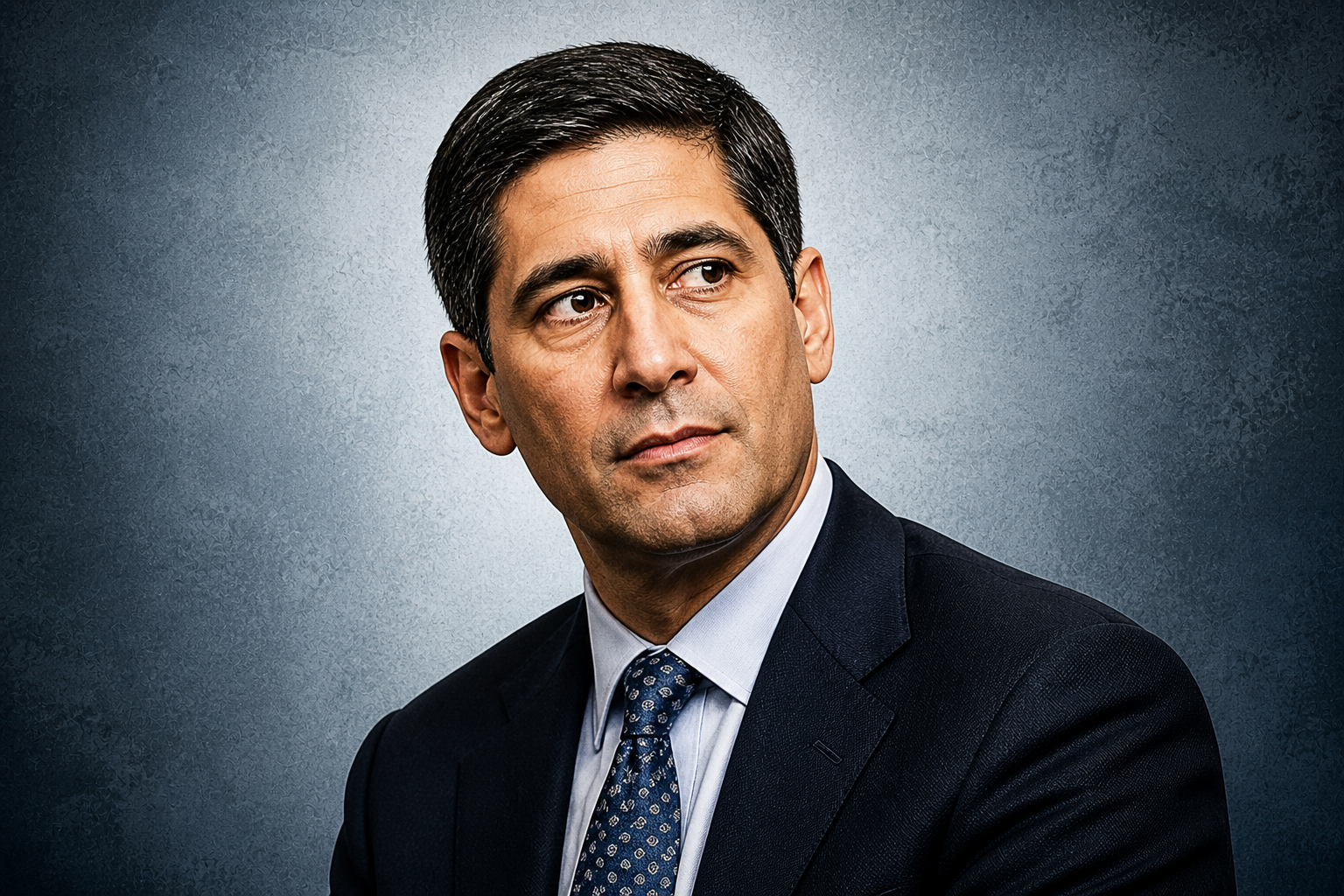
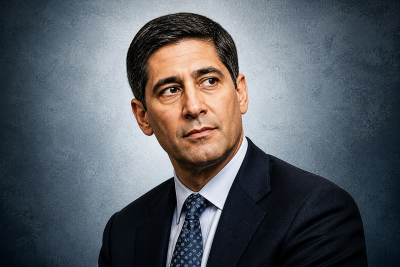
For much of 2026, investors have been trying to reconcile two competing forces: a Federal Reserve that wants inflation back at 2% and a White House that has pushed for lower borrowing costs. That tension became more interesting when Kevin Warsh took over as Fed chair.
President Trump nominated Warsh with expectations that he would be more receptive to rate cuts, but Warsh has been reluctant to promise either cuts or hikes. Now the inflation data are making that neutrality harder to maintain. The latest Personal Consumption Expenditures report gives the Fed another reason to keep rates higher — and potentially raise them before the year is out.
Inflation Just Gave the Fed Another Problem
The Bureau of Economic Analysis’ July Personal Income and Outlays report, released this morning, showed inflation remains stuck well above the Fed’s 2% target. The headline PCE price index rose 0.2% from June and 3.7% year over year, while core PCE, which strips out food and energy, increased 0.2% monthly and 3.3% annually.
The numbers were slightly hotter than economists expected, pushing the market-implied probability of a September rate hike to about 44%, up from roughly 36% before the report.
To put that in perspective, the Fed’s preferred inflation gauge is running 1.3 percentage points above its target. That is not the sort of gap that makes cutting rates an easy decision.
There was some good news for the dovish camp. Real consumer spending was essentially flat in July, rising less than 0.1%, while personal savings increased to 3.0% from 2.6% in June. But personal income climbed 0.4%, suggesting households still have some capacity to spend.
Hikes Need Four More Votes
The September meeting is not a done deal. The Federal Open Market Committee held its federal funds target at 3.50% to 3.75% in July, but the vote was hardly unanimous.
Three of the 12 voting members — Beth Hammack, Neel Kashkari, and Lorie Logan — already wanted a 25-basis-point increase. The decision to hold passed 9-3. That means for a rate hike to happen, the entire committee does not need to be convinced. Just four more votes could turn those three dissenters into a majority of seven.
And the July minutes make that possibility less fanciful. Several officials favored an immediate hike, while many said tightening would likely be necessary if inflation failed to decline.
Trump’s Rate-Cut Pick Isn’t Promising Cuts
That is the awkward part for the White House. Trump nominated Warsh partly because markets expected him to favor easier monetary policy, but Warsh has not behaved like a chairman eager to signal rate cuts. He has rejected traditional forward guidance, preferring markets to interpret incoming data rather than telling investors where policy is headed. His approach matters because inflation keeps supplying the data.
Markets still favor holding rates at the Sept. 15-16 meeting, but the odds of a hike have risen. More importantly, current pricing points toward a rate increase occurring in 2026 rather than being pushed into 2027 or later if inflation remains sticky.
Key Takeaway
In short, investors should not expect a September hike yet. The market still gives another hold the better odds.
But the burden of proof is changing. Three FOMC members already wanted higher rates in July, and today’s 3.7% headline PCE and 3.3% core PCE readings give hawks another piece of ammunition. If August inflation or employment data add to the case, finding four additional votes becomes much easier.
That makes Warsh’s upcoming Jackson Hole speech on Aug. 28 particularly important.
The investment takeaway is straightforward: don’t build a portfolio around an imminent Fed cutting cycle. For now, persistent inflation means higher rates remain a very real 2026 risk.
Contact [email protected] for any questions or corrections.







 Top Gaining Stocks
 Top Losing Stocks