Cramer Says the Bears Spent Months Lying About Salesforce and Nvidia. One Earnings Report Just Ended It.
Bears spent months building a case that AI would hollow out Salesforce and eventually topple Nvidia, and then a single earnings night arrived and put both arguments on trial at once.

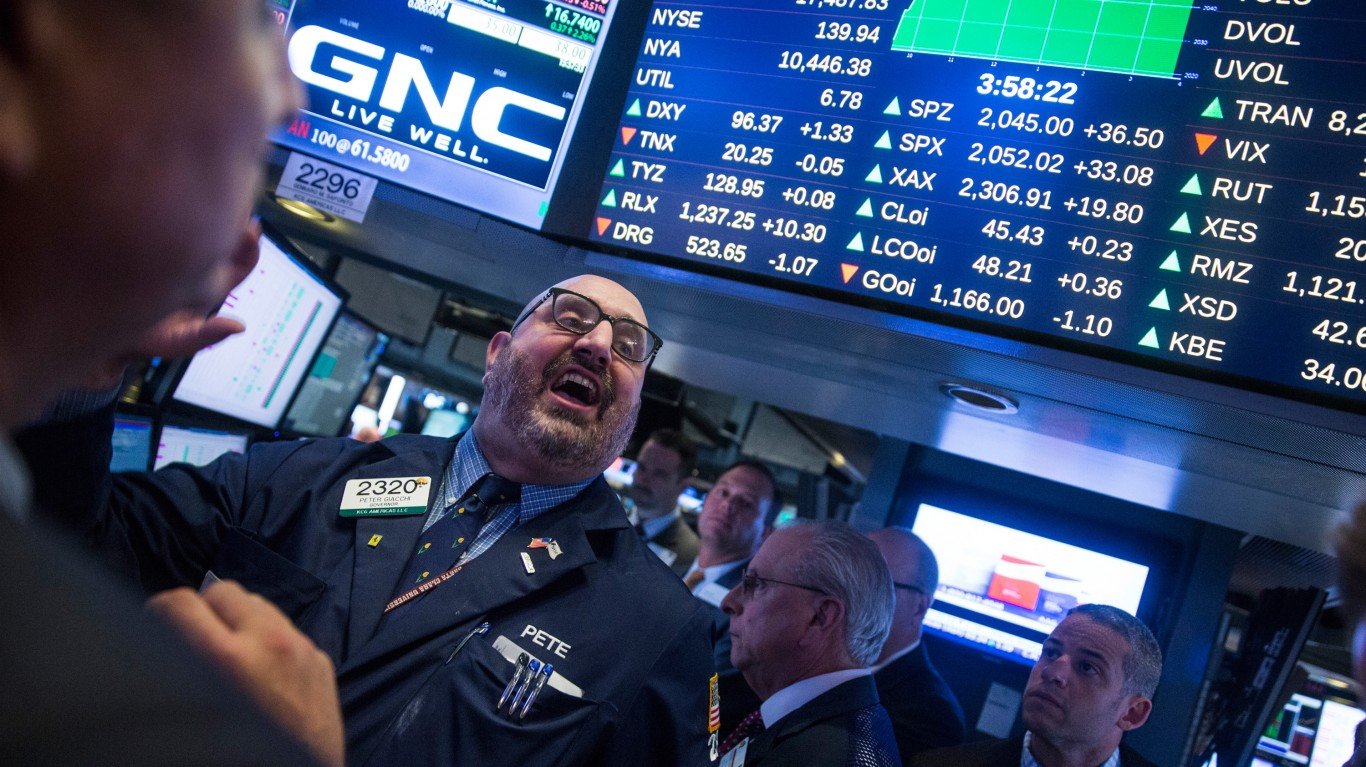
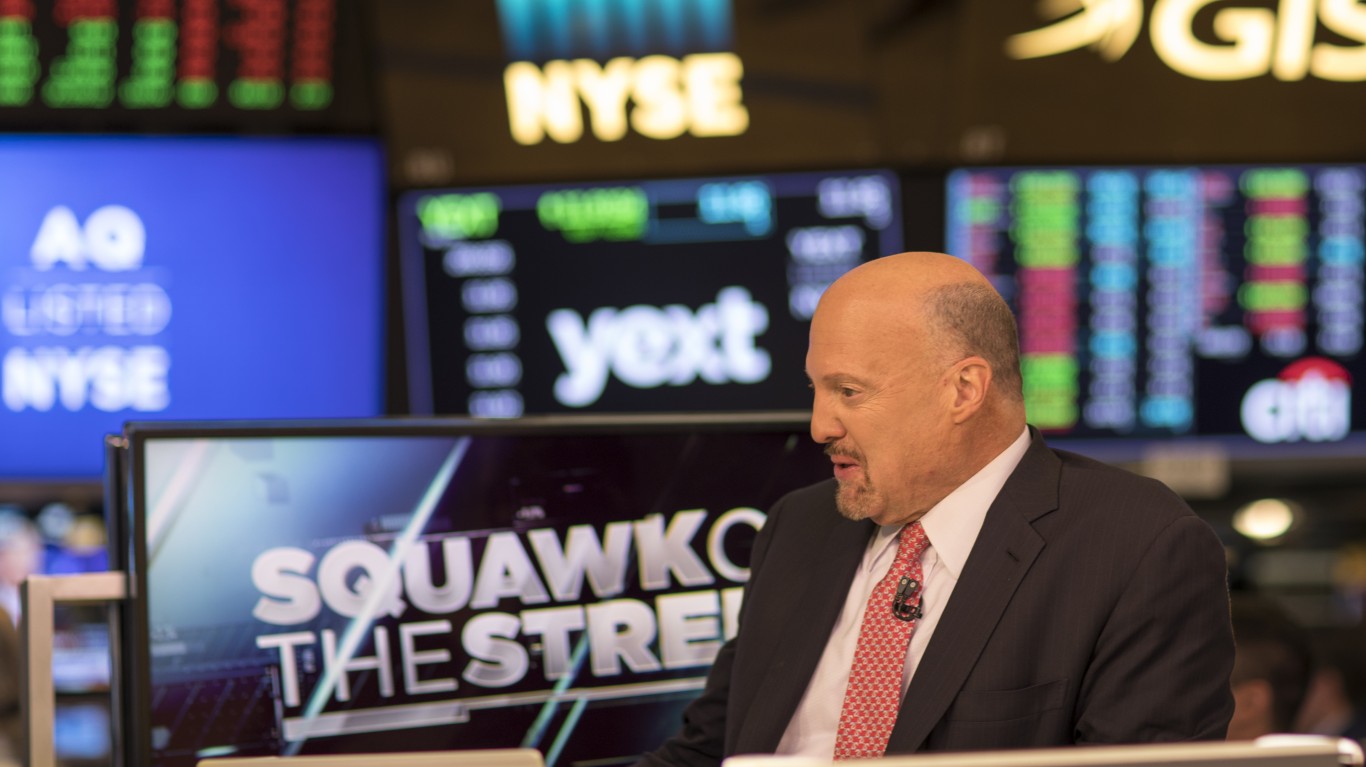
Jim Cramer opened Mad Money this week arguing that the bearish case on Salesforce (NYSE:CRM | CRM Price Prediction) and NVIDIA (NASDAQ:NVDA) had been dismantled in a single evening of earnings. “For months, these stocks have been held back by the bears. The short sellers who argued that Salesforce’s enterprise software couldn’t survive in a world of AI competition, and Nvidia would soon be overcome by hyperscalers that are desperate to develop their own chips,” he said.
The Salesforce argument is more interesting because it hinged on a structural claim that the seat-based software business itself would erode as AI agents replaced the humans who used to log in. Salesforce reported $11.35 billion in revenue and non-GAAP EPS of $5.90 against a $3.2712 consensus, and the stock closed the week at $251.96, up 22.69% over five sessions.
Bear Case That Just Broke Overnight
The short thesis on Salesforce was straightforward: if AI agents do the work that human employees used to do, a company that charges per human seat should lose revenue as customers need fewer seats. That is the argument Cramer described as the “SaaS pocalypse drumbeat” that grew louder through the spring, reflected in Reddit’s r/stockmarket, which in July featured a thread titled “Salesforce down 30% in 14 straight red days at 10.5x forward earnings” that drew hundreds of comments.
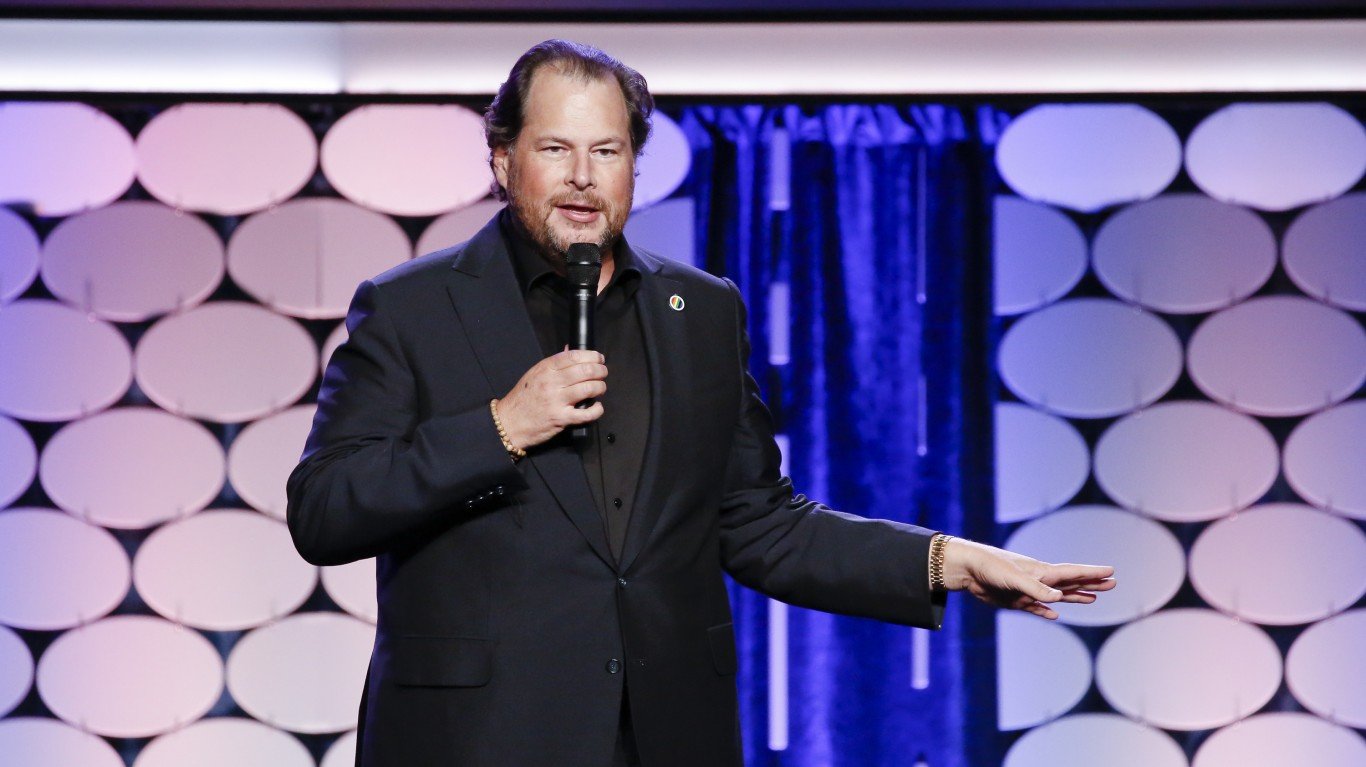
Marc Benioff addressed the thesis directly on the call. “This nonsense of this SaaSpocalypse, I think it’s time for it to stop,” he said, adding that “AI isn’t replacing Salesforce. It’s unlocking more value across all four layers of our platform.”
What Salesforce Actually Reported
“They delivered their strongest net new annual order value growth in four years, all seats grew year over year. Pricing was strong. Attrition was near its lowest level ever,” he said, arguing the quarter refuted the thesis on its own terms.
Those three data points matter because they are the exact variables the bear thesis predicted would break. Seats growing, pricing holding, and attrition at record lows directly counter the story that customers need less of the product.
Agentforce and Data 360 combined annualized recurring revenue was nearly $3.9 billion, up over 210% year-over-year, with Agentforce alone above $1.5 billion and growing more than 240%. Free cash flow was $1.098 billion, up 81.49%. The company raised full-year FY27 revenue guidance to $46.1 billion to $46.4 billion, with details in the Q2 FY27 8-K exhibit.
One caveat: one quarter does not settle a multi-year structural question. The bear case may prove early rather than wrong. But near-term evidence favors the bulls on precisely the metrics that were supposed to fail first.
NVIDIA’s Version of the Same Story

NVIDIA reported the same evening with a supply-constrained version of the same demand story. Q2 revenue was $96.22 billion, up 105.85% year-over-year, and Q3 guidance came in at $108 billion, plus or minus 2%.
Cramer’s number to remember is the forward one. “Nvidia projects that they can put up 70% revenue growth in the next fiscal year. The street was only looking for 45%,” he said. Shares closed at $227.98, up 8.74% in the session. Guidance that far above consensus is the kind of early signal we studied across past monster winners in a free Next NVIDIA playbook.
Jensen Huang framed the demand as a step-change in usefulness. “AI has reached its inflection point. It’s doing useful work. Its tokens are productive and profitable. Now, compute is revenue,” he said.
What to Watch Next
“Now if you just own Nvidia and Salesforce, instead of trying to trade them or game the earnings, what can I say? You did the right thing and you had a phenomenal day,” he said, turning to investor behavior.
A narrative can suppress a stock for a long time without being tested, because the test only arrives on a scheduled earnings date. Investors who sold into the story had to be right twice: once about the thesis and once about when to come back.
The specific number to watch next is Salesforce’s net new annual order value trend and seat count when the company reports Q3 in the fall, alongside the Investor Day on September 16, 2026, at Dreamforce. If seats stop growing or attrition ticks up while Agentforce ARR climbs, the bear thesis is postponed rather than dead. If both keep moving together, the argument that agents cannibalize seats will need a new date on the calendar.
Contact [email protected] for any questions or corrections.
Omor Ibne Ehsan is a writer at 24/7 Wall St. He is a self-taught investor with a focus on growth, cyclical, and dividend equities that have strong fundamentals, value, and long-term potential. He also has an interest in high-risk, high-reward investments such as penny stocks.