Former Chevron Executive: Venezuela’s Oil Opportunity Comes With a Major Catch
Venezuela sits on the world's largest proven oil reserves and ships barrels to U.S. refiners without crossing a single conflict-prone waterway, yet a former Chevron executive who knows the country's fields firsthand says the real obstacle has nothing to do…

Ali Moshiri, CEO of Amos Global Energy and former President of Chevron Africa and Latin America, recently appeared on CNBC to weigh in on what an ownership stake in Venezuelan oil fields could mean for the U.S. He believes that one of the biggest advantages of the deal will be that Venezuelan oil can reach U.S. refiners without passing through shipping corridors such as the Strait of Hormuz.
“I think it comes down to energy security for the United States. If you consider that Venezuela has the largest resource and it doesn’t have the choke point that we have seen in the Strait of Hormuz, Red Sea, and Black Sea,” he said. Venezuela holds the world’s largest proven oil reserves, and unlike Gulf barrels, they reach U.S. refiners without transiting maritime corridors that can be impacted by conflict in the Middle East.
“The Ideas Is Great.” Producing the Oil Is the Hard Part
The challenge with Venezuelan oil is the operational complexity: “The idea is great. The challenge is going to be implementation, human capacity, operational experience, and so forth, and how all of this is going to come together,” Moshiri said.
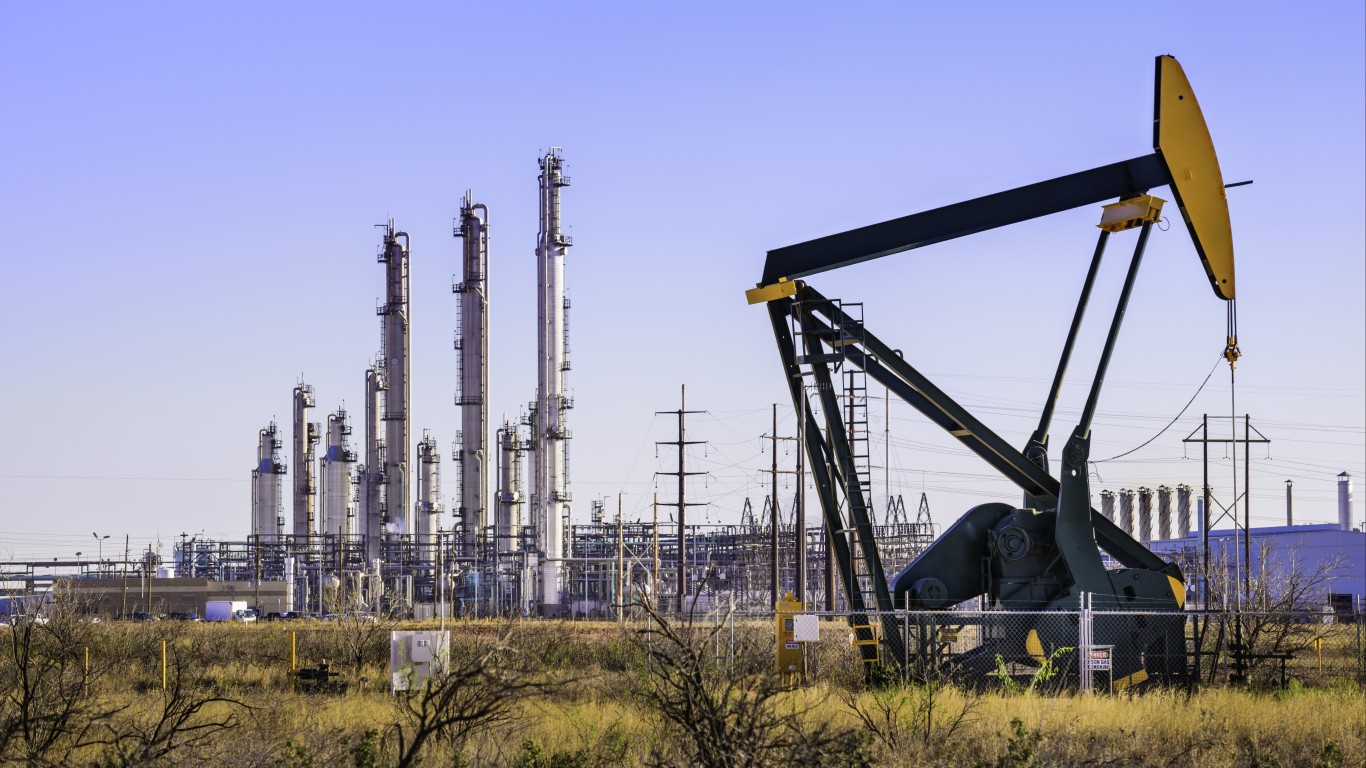
Venezuelan crude is heavy and extra-heavy, requiring specialized technology and experience. Heavy oil is less valuable and much harder to transport than lighter oil, because lighter oil can easily flow through a pipeline while heavy oil might have a viscosity closer to peanut butter. It would be very difficult to send peanut butter through a pipeline, which is what makes heavy oil more costly and difficult to transport. Heavy oil requires diluents, upgraders, coking capacity, and refineries configured for high-sulfur, high-viscosity feedstock. Reservoirs need steam or solvent techniques to move barrels to the surface.
Layered on top, Venezuela has been absent from global energy markets for the past 15 years. In Moshiri’s view, that gap erodes local operational capacity and skilled labor in ways money alone can’t quickly rebuild. “Venezuela’s oil is very complicated. It’s a heavy and extra heavy. It requires technology. It requires experience that you’ve got to come together to make that a reality. I think that’s the reason it’s very essential to be a private and public partnership,” he said.
Why Small Operators Could Move Before Big Oil
Moshiri guessed which companies might benefit from this early: “The majors, they’ve got a different protocol to entering in the country, usually takes longer than normal time frame. The smaller company, midsize company, they react much faster in the short term,” he said. Large integrated producers might move cautiously due to compliance protocols and memories of prior capital losses in Venezuela. Independents and midsize operators can commit crews and capital more quickly.
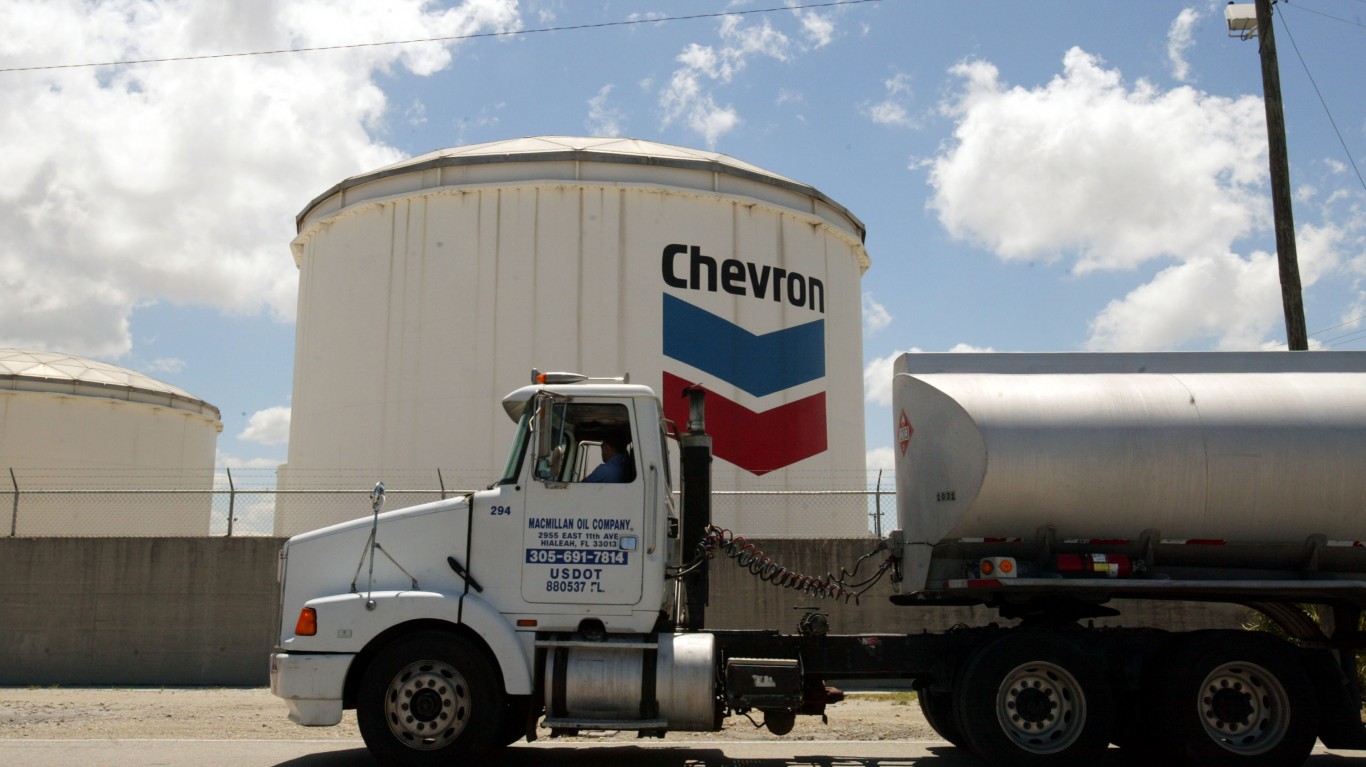
For context, Chevron (NYSE:CVX | CVX Price Prediction) carries a market capitalization near $393 billion, with trailing revenue of roughly $209 billion and a forward P/E of 13. Chevron’s long footprint in Venezuela was central to its Latin America business during Moshiri’s tenure and lends weight to his operating perspective.
The Western Hempisphere Is An Energy Security Play
Moshiri believes energy supply disruptions will likely happen again in the future, but Venezuela will help the U.S. achieve energy security: “I think from the energy security point of view, this is not going to be the last time this is going to happen. And we got to be ready for it. And I think we’ve got to look at the alternative for energy security. And an alternative for us is our own hemisphere. You look at Brazil, you look at Venezuela, you look at Argentina,” he said. OPEC’s current production is around 22-25 million barrels per day out of a 32 million barrel capacity, and Venezuela also holds significant critical mineral reserves alongside oil, which could help the U.S. build supply-chain sovereignty.
WTI closed at $83.40 per barrel on August 28, 2026, down 8.5% from a month earlier and off a 52-week high of $114.58 reached on April 7, 2026. At the pump, the U.S. regular gasoline average was $4.08 per gallon on August 30, 2026, above the $4.00 threshold the EIA describes as painful for household budgets.
Key Takeaways
The announced agreement puts Venezuela’s oil potential back in focus, but Moshiri’s argument turns on execution. Heavy crude, infrastructure needs, and shortages of experienced workers make production difficult to scale. Smaller operators may move first, while investors should judge progress by investment and actual output.
Contact [email protected] for any questions or corrections.
Thomas Richmond is a financial writer and content strategist with 5+ years of experience covering stocks and financial markets. He has published over 500 articles focused on individual stock analysis, helping investors better understand business fundamentals, stock valuations, and long-term opportunities.
Thomas previously served as a Content Lead at TIKR, a stock research platform, where he helped scale the company’s blog to hundreds of articles per month and contributed to a weekly newsletter reaching more than 100,000 investors.
Outside of work, Thomas enjoys weight lifting and soccer.