Energy Expert Warns Venezuela’s 65 Billion-Barrel Oil Deal Won’t Fix Supply Anytime Soon
Venezuela sits on a staggering share of the world's proven oil reserves, and a new U.S. deal just handed American companies a major stake in them. But one energy expert says investors may be wildly misjudging when any of that…


CNBC’s Brian Sullivan walked viewers through the announced U.S.-Venezuela oil arrangement Monday, delivering a simple message for investors: the headline reserve number is enormous, and the timeline to real production might not be as long as some would expect.
“Venezuela, 65 billion barrels proven reserves on the part of this deal. Venezuela obviously has more. The U.S. under this would control 55% of that,” Sullivan said, framing a reported 25-year lease structure valued at $100 billion-plus in investment by U.S. energy companies.
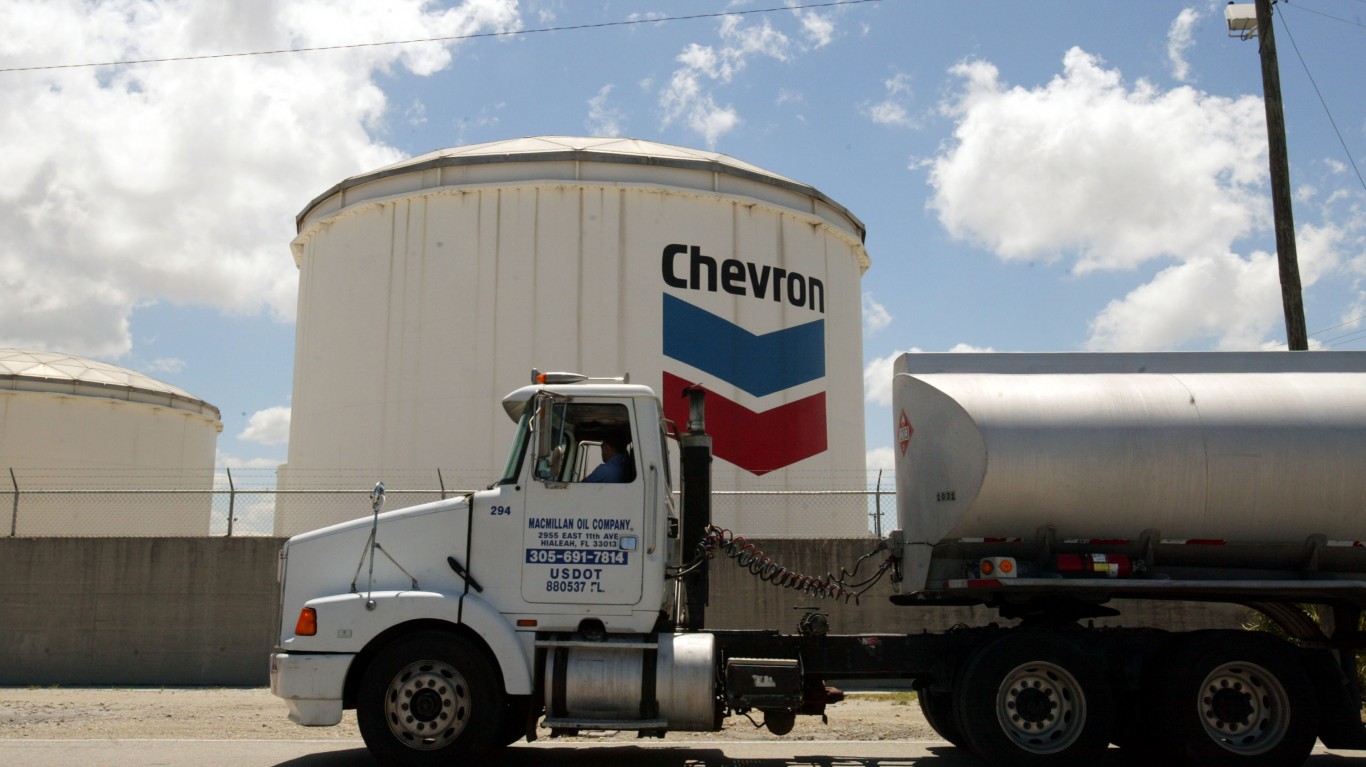
The announcement, covered Monday morning on CNBC, names three U.S. majors as prospective participants: Chevron (NYSE:CVX | CVX Price Prediction), Exxon Mobil (NYSE:XOM) and ConocoPhillips (NYSE:COP). Sullivan emphasized the physical and legal structure remains unsettled. “The report is that this is going to be 55% controlled by the United States, and private companies are going to be a part of that. We don’t know the exact physical structure, legal structure,” he said.
65 Billion Barrels in the Ground, but Only 1.2 Million Produced per Day
Venezuela holds more than 300 billion barrels in total proven reserves, and this agreement carves out just 65 billion. Yet the country’s ability to lift, transport, and sell that oil has eroded for decades.
“Venezuela has been in a rolling 30-year production collapse. Venezuela was one of the biggest oil producers in the world. It was the richest country in Latin America 30 years ago, not even close. 1997, they peaked out at about 3.2 million barrels per day on average of production. Right now, doing about 1.2,” Sullivan said. EIA’s most recent Short-Term Energy Outlook shows Venezuelan output in a similar range, with recent quarterly figures near 1.0 million barrels per day.
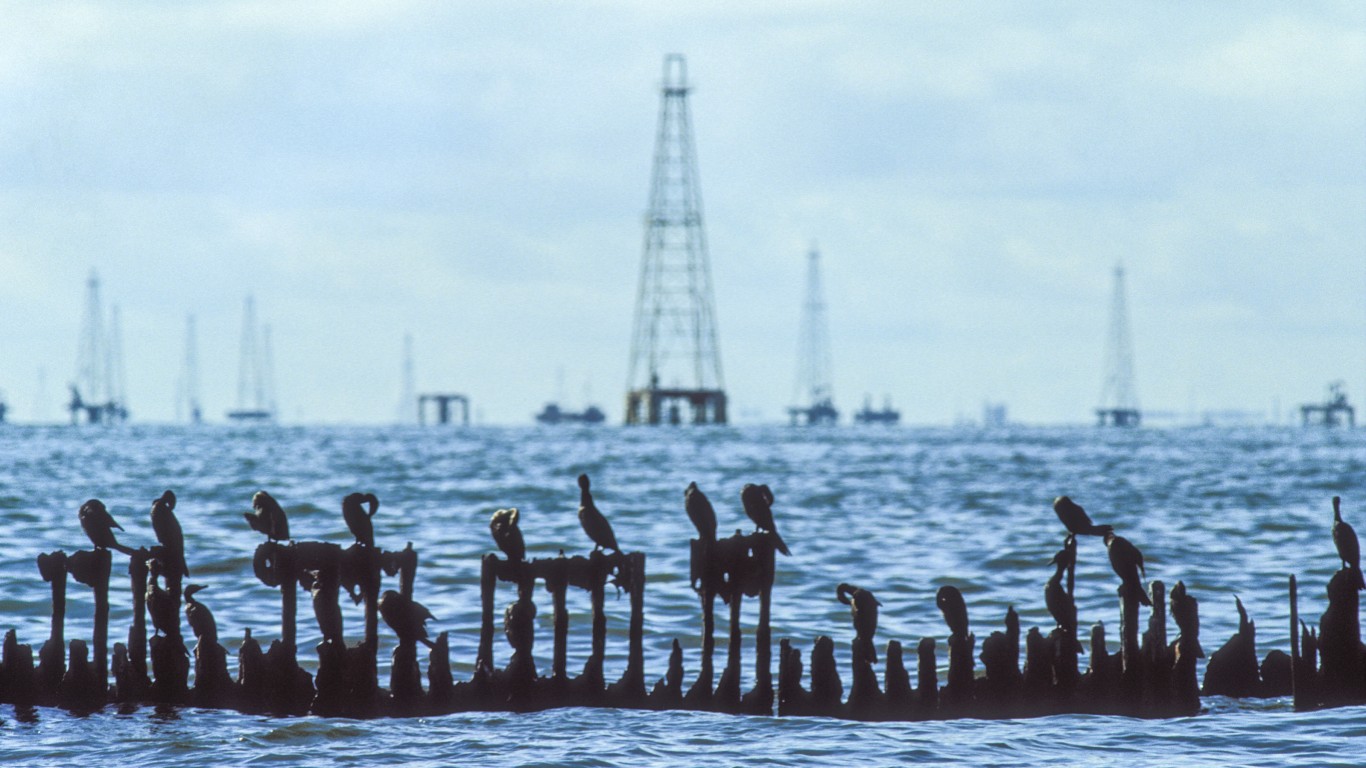
Sullivan had a blunt message on the feasibility of getting usage from the oil: “This oil is going to sit under the ground if there’s no capital and expertise to pull it out.“ On timing: “If this deal does happen, if this progresses, you’re talking years before we extract any significant volume of oil from Venezuela. Everything is dilapidated.”
The U.S. Could Control 55% Under a 25-Year Deal
Under the announced structure, U.S. entities would control 55% of the 65 billion-barrel carveout under a 25-year lease. Venezuela’s interim president, Delcy Rodriguez, said Venezuelans would receive around $200 billion in sales tax revenue.
Sullivan raised broader questions about who controls the Venezuelan counterparty and legal complications that could weigh on implementation. Any operator would demand multi-year security and legal guarantees before committing capital, and why such guarantees can be fragile across leadership changes.
Former Chevron Executive Warned About This Exact Problem
Sullivan’s reporting arrives three days after CNBC’s August 28 interview with Ali Moshiri, CEO of Amos Global Energy and former President of Chevron Africa and Latin America. Moshiri backed the strategic logic, arguing Venezuelan barrels bypass the Strait of Hormuz, Red Sea, and Black Sea choke points.
He advocated a public-private partnership because Venezuela’s heavy and extra-heavy crude requires specialized technology the country has lost after roughly 15 years outside global markets. He thinks: “the idea is great, the challenge is going to be implementation,” with majors likely to move slowly on entry protocols while smaller firms move faster.
What the Venezuela Deal Means for Chevron, Exxon and ConocoPhillips
The 65 billion-barrel headline makes the Venezuela deal look transformative, but with production still around 1.2 million barrels per day and infrastructure badly degraded, those reserves could take years and enormous amounts of capital to reach global markets. For Chevron, Exxon, and ConocoPhillips investors, the story now shifts to whether the deal can be implemented and when.
Contact [email protected] for any questions or corrections.
Thomas Richmond is a financial writer and content strategist with 5+ years of experience covering stocks and financial markets. He has published over 500 articles focused on individual stock analysis, helping investors better understand business fundamentals, stock valuations, and long-term opportunities.
Thomas previously served as a Content Lead at TIKR, a stock research platform, where he helped scale the company’s blog to hundreds of articles per month and contributed to a weekly newsletter reaching more than 100,000 investors.
Outside of work, Thomas enjoys weight lifting and soccer.