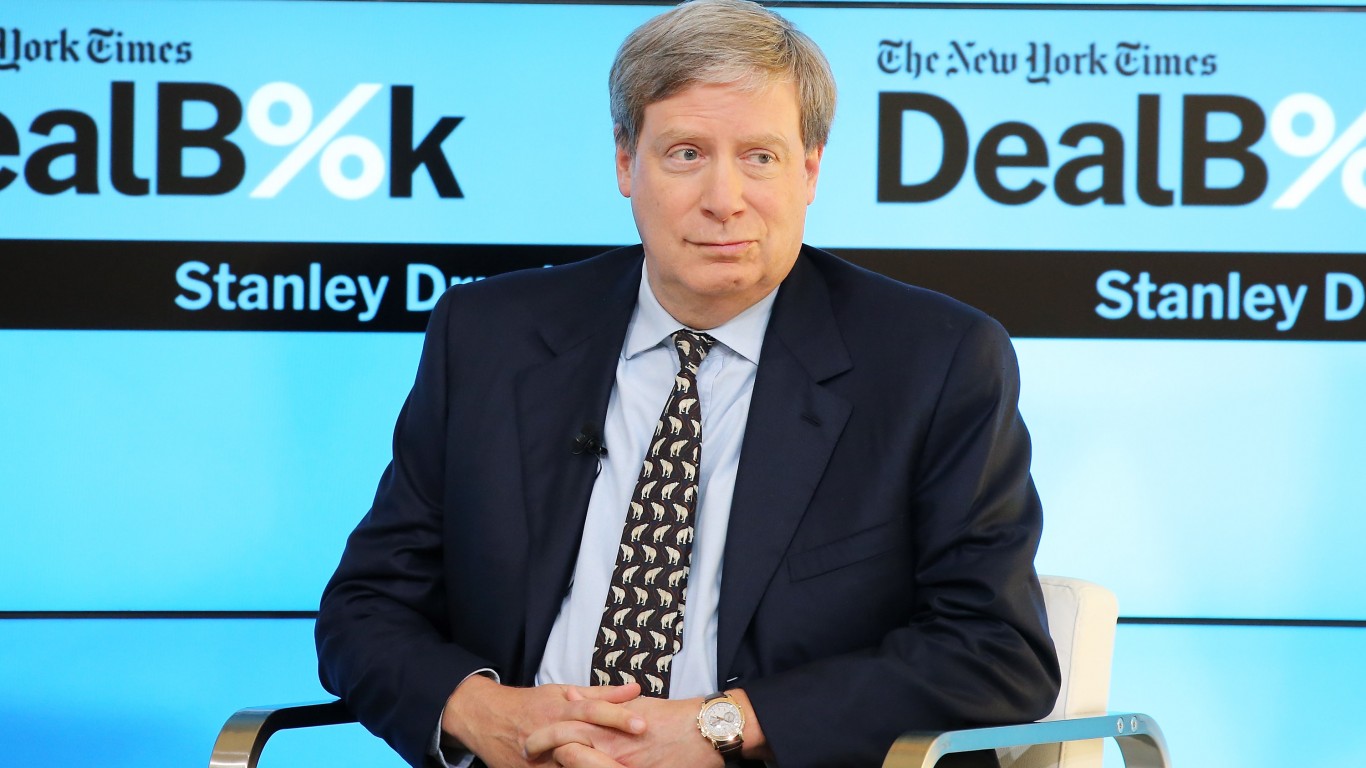
Cramer Says Bessent Is “Plugging The Dike With A Finger.” And Has Already Admitted He Can’t Control What’s Coming In The Bond Market
Treasury Secretary Bessent scaled up bond buybacks and publicly declared he cannot set the equilibrium price, while Jim Cramer argues the $32 trillion Treasury market has already swallowed those efforts whole and is sending a very different message than the…

Jim Cramer said on Mad Money October 5, 2026: “Treasury Secretary Bessent basically copped to not being able to stop a bond market slide with his meager multibillion dollar bond buys. He’s plugging the dike with a finger, and it’s got $31 trillion in Treasuries behind it.”, according to Mad Money w/ Jim Cramer
The 10-year Treasury yield closed Monday at 5.31%, up from 5.28% on Friday, October 2 and 5.24% on Thursday, October 1. The 30-year closed at 5.66%. The prior 12-month high was 5.29% on September 30, 2026, and the low was 3.97% on February 27, 2026.
From “I Am the House” to “I Can’t Set the Equilibrium Price”, according to U.S. Department of the Treasury
In early September, Treasury Secretary Scott Bessent said at a university business school: “I have asymmetric information. I am the house now, according to U.S. Department of the Treasury. Bet against me if you want.”
Thirteen days later, Bessent told CNBC’s Squawk Box: “I can’t set the equilibrium price.”
Buybacks Got Bigger While Yields Barely Moved
Treasury scaled up long-dated buyback operations. Moneywise, citing Bloomberg, reported sizes went from $2 billion to $4 billion to $6 billion. Yields barely moved.
Ed Yardeni, president of Yardeni Research, called the largest operation “little more than a rounding error” against a Treasury market Moneywise put at $32 trillion. Traders read the buybacks as insufficient to hold down long-term yields.
Bessent’s Defense, in His Own Words
Bessent explained: “I just raised the size because we are in a very illiquid period. The market was moving quickly … markets are never in equilibrium. They’re either moving away from equilibrium or toward equilibrium, according to U.S. Department of the Treasury. I thought that they were moving away.”, according to U.S. Department of the Treasury
He blamed much of the pressure on crude, citing high correlation between 30-year yields and oil since the Iran war began. Bessent said: “Once we get on the other side of this conflict, which we will, I think the oil markets are going to be more supplied than they previously were and rates should come down.”
His former mentor publicly criticized the intervention. Asked whether either had admitted the other was right, Bessent said: “Since I’ve met him [in] 1988, I don’t think either one of us has ever said that to each other.”
Cramer Reads the Oil Move Differently
Cramer offered a different explanation: “The price of oil is going down because a key producer lowered prices to take market share, not because the Iran war premium is going away. For oil to trade on its fundamentals, which would be a lot lower, the war would have to end.”
WTI crude stood at $96.16 on September 29, down from $107.02 on September 15. Cramer concluded: “Bonds, not oil, are telling the truth, at least longer term. Always bank on the bond market longer term, even if we are in the throes of oil gyrations at this very moment.”, according to Mad Money w/ Jim Cramer
Why This Shows Up in Mortgage Rates
Freddie Mac research shows 98% of weekly changes in 30-year fixed mortgage rates since 1990 are explained by weekly moves in the 10-year Treasury yield.
Freddie Mac’s weekly survey put the 30-year fixed at 7.28% for the week of October 1, 2026. Mortgage News Daily reported 7.57% on October 2, near its 52-week high of 7.60%.
Moneywise reported the national debt recently crossed $40 trillion and interest payments are expected to top $2 trillion in fiscal 2026.
Where This Leaves Investors
Bessent has tools and has stated their limits. Cramer thinks the market’s size overwhelms them. Either way, mortgage rates will follow the 10-year yield, making the daily close more important than official promises.
Contact [email protected] for any questions or corrections.
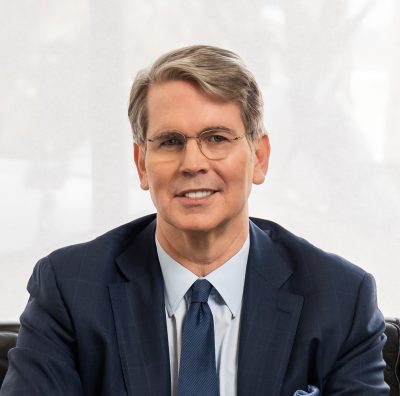
AJ spent 10 years writing about financial markets at The Motley Fool. His coverage centers on technology stocks and the broader macroeconomic trends, from interest rates to geopolitics, that shape where markets are headed next. AJ is drawn to the stories where big-picture economics and individual companies collide.