Sundar Pichai Promised a Gemini Flagship in June, and Alphabet Is on Its Worst Streak Since 2015
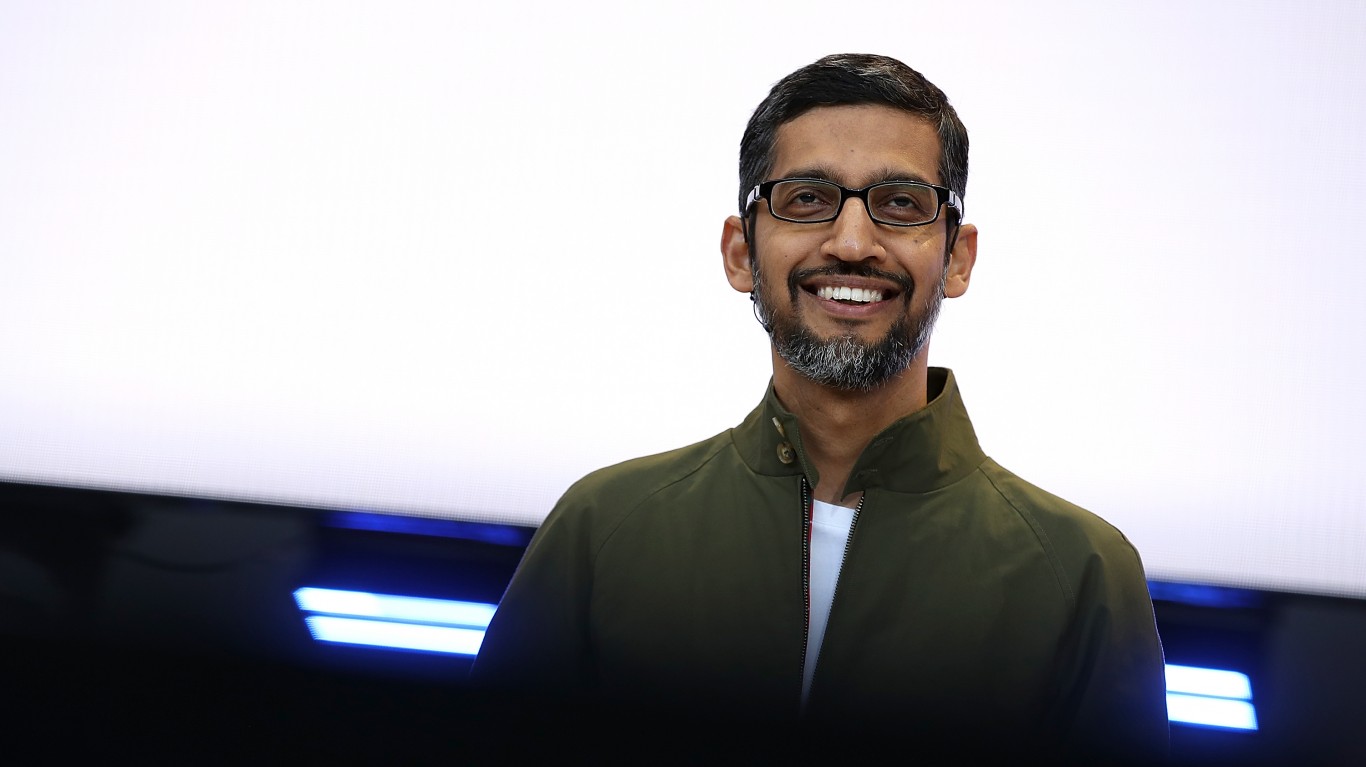
Sundar Pichai promised investors a flagship AI model by June, but what arrived instead has sparked Alphabet's longest stock losing streak in over a decade, raising an uncomfortable question about whether the company's celebrated AI pace is actually working.

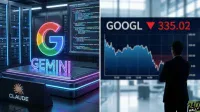
Alphabet’s cadence problem finally has a price tag. CEO Sundar Pichai said Gemini 3.5 Pro would arrive in June, but it still hadn’t shipped as of September 2, 2026. What Google shipped instead was Gemini 3.8 Flash, a cheaper coding model, while pointing investors to Gemini 4 later in the year. That substitution has landed at the worst possible moment for the stock.
Alphabet (NASDAQ:GOOG | GOOG Price Prediction) shares are “on their longest losing streak since 2015,” according to CNBC’s Mackenzie Sigalos, following a brief stint this spring as the world’s most valuable company. The stock is down 10.39% over the past month, trading near $339.79 after opening green on Wednesday.

[chart id=”GOOG”]
A Promised Flagship, a Value-Tier Delivery
On the Q2 call, Pichai stayed on message about pace. “Gemini 3.5 Pro is currently in testing and our team is already building the next generation of models,” he told analysts, adding that “we have started our most ambitious pre-training run yet for Gemini 4.” He framed monthly releases as strategy: “Picking up pace and releasing models, you know, almost at a monthly cadence is part of our roadmap as we are building Gemini 4 as well.”
The problem is what the pace produced. The June flagship is absent. The Flash line, which Pichai called Alphabet’s “workhorse model” hitting “a sweet spot of performance, cost, reliability, latency, etc.”, keeps arriving on schedule.
Fundamentals That Argue the Other Way
The financials show a company still expanding at scale. Q2 revenue rose 24.23% to $119.8 billion, EPS of $9.11 beat consensus by 199.41%, and Google Cloud grew 82% year over year to $24.8 billion with backlog at $514 billion. The Gemini App now has 950 million monthly active users, and APIs process approximately 22 billion tokens per minute, up from 16 billion a quarter ago.
The bill is steep. Capex hit $44.9 billion, free cash flow swung to negative $5.86 billion, long-term debt jumped from $46.5 billion to $98.2 billion, and buybacks were suspended in Q2 2026. Even so, GOOG trades at a P/E of 14.

[company_earnings_history ticker=”GOOG”]
Two Same-Day Offsets Investors Should Weigh
Two developments arrived alongside the Gemini 3.8 Flash release. First, a judge ruled that “google will not have to sell its ad exchange”, removing an overhang on the ad monetization engine that Sigalos noted lets “Google compete more aggressively on price because it owns more of the stack and can monetize AI across cloud search and youtube and its ad engine.” Second, token prices are “down more than half from their summer peak, squeezing standalone model labs like openai.”
The accountability gap is real. So is the moat. Whether four down months mark a dip or a re-rating depends on what ships before Gemini 4, and on whether the $44.9 billion capex line keeps translating into cloud backlog rather than stranded silicon (we profiled seven suppliers riding that same buildout, from power to cooling, in a free report you can grab here).
Contact [email protected] for any questions or corrections.
After two decades of patrolling the dark corners of suburbia as a police officer, Rich Duprey hung up his badge and gun to begin writing full time about stocks and investing. For the past 20 years, he’s been cruising the markets looking for companies to lock up as long-term holdings in a portfolio while writing extensively on the broad sectors of consumer goods, technology, and industrials. Because his experience isn’t from the typical financial analyst track, Rich is able to break down complex topics into understandable and useful action points for the average investor. His writings have appeared on The Motley Fool, InvestorPlace, Yahoo! Finance, Money Morning, and, of course, 24/7 Wall St. He has been featured in both U.S. and international publications, including MarketWatch, Financial Times, Forbes, Fast Company, and USA Today.