Inflation Odds Move Toward 100%
Diesel at record highs, beef prices surging, mortgage rates climbing, and consumer confidence cratering. A web of pressures is tightening around the economy all at once, and the Fed may have far less room to maneuver than anyone wants to…


The US economy isn’t on fire, but it is close. It added 162,000 jobs in August.
Determining whether inflation rates are too high is complex. The formula can include interest rates, the CPI, currency exchange rates, and the rate at which wages are growing. Some economists compare prices from 1980 to today’s consumer prices. Some measures include housing. Others do not. Food is generally included, as is fuel.
According to government measures based on CPI, the inflation rate was 8% in 2022. Some of this was because of a spike in oil prices due to the Russian invasion of Ukraine. Another part was due to food prices. “Inflation risk” rose enough that the Fed raised rates seven times that year.
Inflation, by loose consensus, would be CPI and PPI increases of 5% per year. Mortgage rates would matter, as would food and fuel prices. These are at the heart of the cost of living for most people and many businesses.
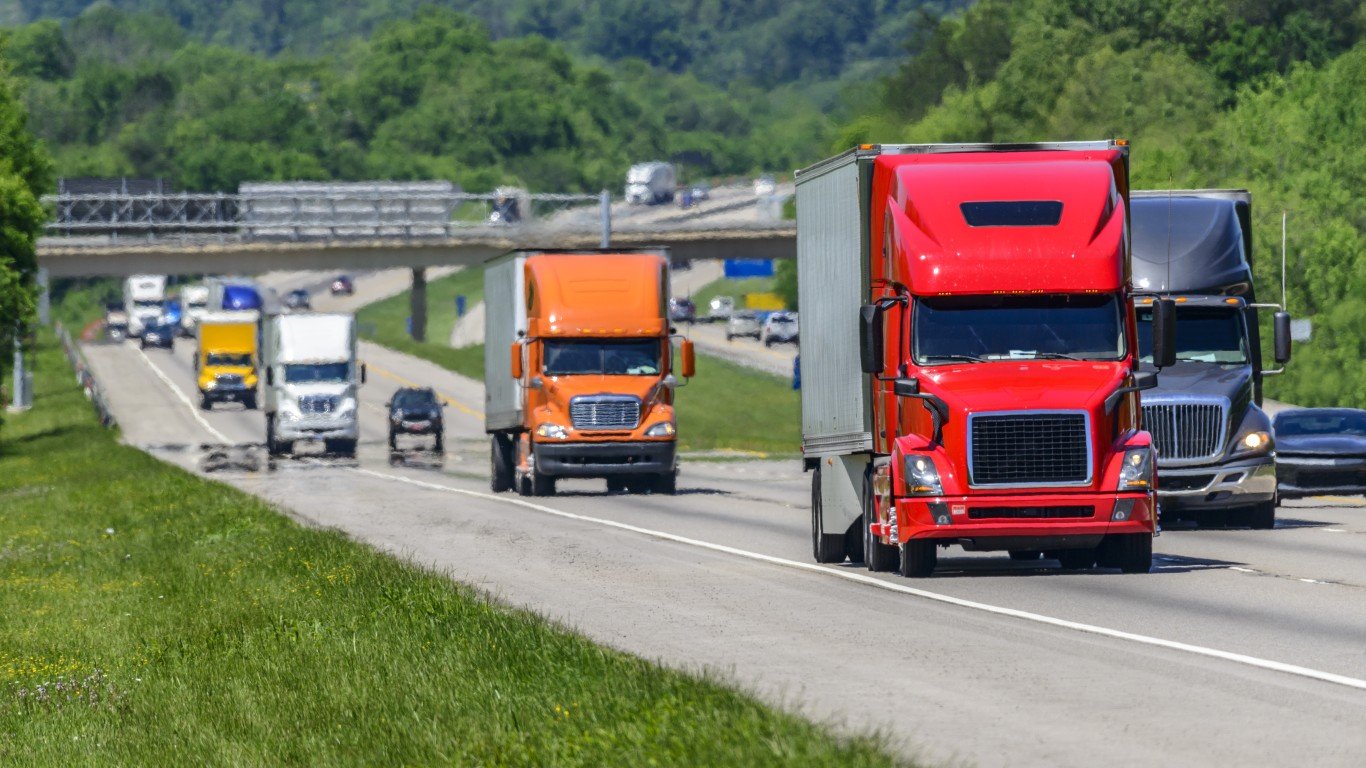
The BLS reported a 3.4% year-over-year CPI increase in July. Several things had not hit the economy hard yet. The most important of these is probably diesel prices, because they ripple across most of the economy. Diesel prices hit an all-time high today. Trucks move 70% of freight in the US. That includes deliveries to McDonald’s (NYSE: MCD | MCD Price Prediction) and Walmart (NYSE: WMT). It increases deliveries to your home. At $5.85, diesel prices are up 58% from a year ago.
Drivers and freight companies will pass along as much as they can from rising fuel prices. Companies that take those deliveries will try to pass them on to consumers. That means inflation shows up in three places—those that transport, those that receive goods, and consumers who buy those goods.
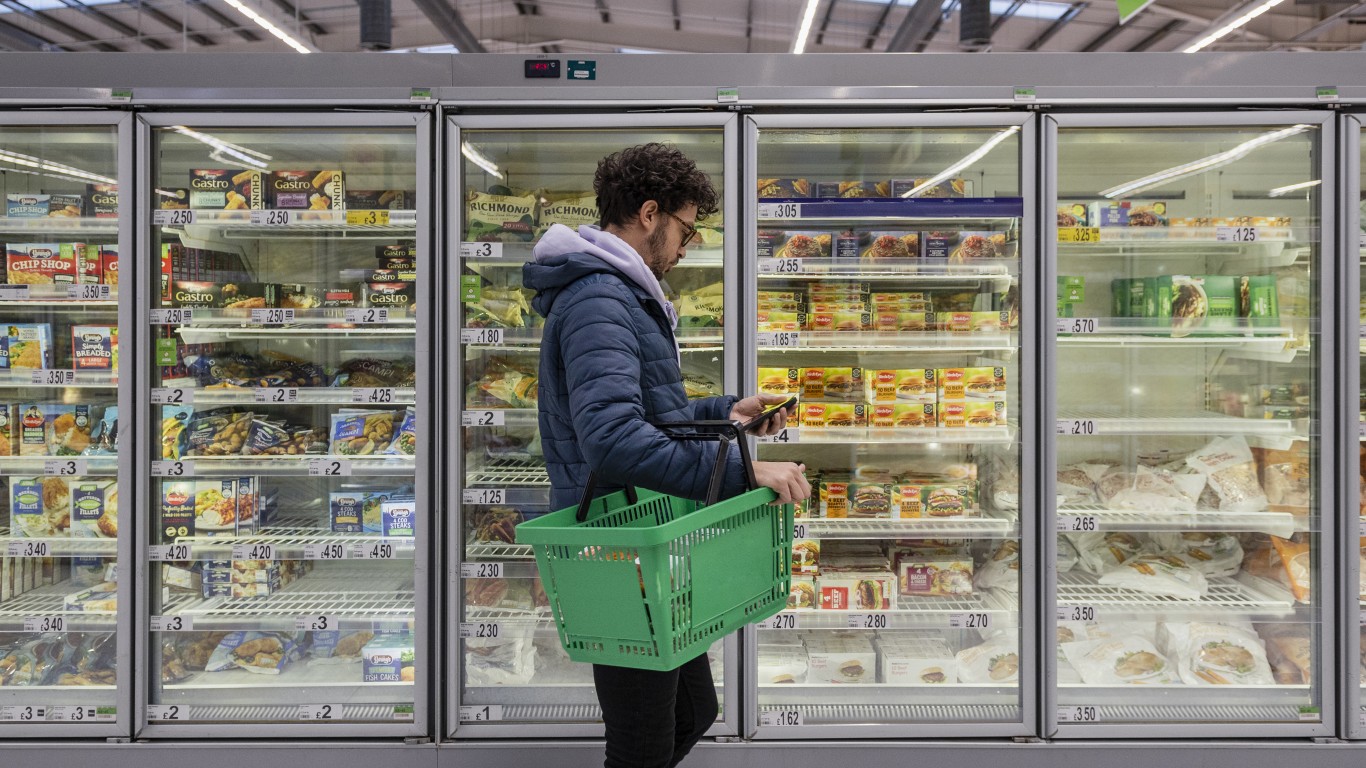
Another example is food prices. Not all of the shortage of farm produce has been passed to the consumer yet. Places like Nebraska have cut yields by 20% for certain crops. In turn, this is reflected in beef prices. Beef cattle are fed by grain. Beef prices are already at or near their highest level in years.
Mortgage rates recently hit a level not matched since July 2025. The fixed-rate 30-year mortgage rate reached 6.71%. Adjustable-rate mortgages are over 7% for a 5/1 ARM. Add to this the S&P CoreLogic Case-Shiller U.S. National Home Price Index, which has risen every month this year.
For good measure, car prices are at a record high, with an average price of $51,820. Car loan interest rates are near 6%.
What is inflation? As much as formulas, it is how people feel. This month’s University of Michigan Survey of Consumers gave a clue. ”Consumer sentiment confirmed its early-month reading, falling about 6% from last month and landing about 11% below a year ago amid continued worries that inflation will remain elevated for the foreseeable future.”
Q.E.D.
Contact [email protected] for any questions or corrections.
Douglas A. McIntyre is the co-founder, chief executive officer and editor in chief of 24/7 Wall St. and 24/7 Tempo. He has held these jobs since 2006.
McIntyre has written thousands of articles for 24/7 Wall St. He is an expert on corporate finance, the automotive industry, media companies and international finance. He has edited articles on national demographics, sports, personal income and travel.
His work has been quoted or mentioned in The New York Times, The Wall Street Journal, Los Angeles Times, The Washington Post, NBC News, Time, The New Yorker, HuffPost USA Today, Business Insider, Yahoo, AOL, MarketWatch, The Atlantic, Bloomberg, New York Post, Chicago Tribune, Forbes, The Guardian and many other major publications. McIntyre has been a guest on CNBC, the BBC and television and radio stations across the country.
A magna cum laude graduate of Harvard College, McIntyre also was president of The Harvard Advocate. Founded in 1866, the Advocate is the oldest college publication in the United States.
TheStreet.com, Comps.com and Edgar Online are some of the public companies for which McIntyre served on the board of directors. He was a Vicinity Corporation board member when the company was sold to Microsoft in 2002. He served on the audit committees of some of these companies.
McIntyre has been the CEO of FutureSource, a provider of trading terminals and news to commodities and futures traders. He was president of Switchboard, the online phone directory company. He served as chairman and CEO of On2 Technologies, the video compression company that provided video compression software for Adobe’s Flash. Google bought On2 in 2009.