Oil Shipping Costs Explode 258% Higher in 2 Months. Here’s Why Everything Is About to Get More Expensive
A war-driven surge in tanker rates is quietly adding a hidden tax to every barrel of oil before it reaches a refinery, and the ripple effects are already showing up at diesel pumps in ways that could reshape what you…

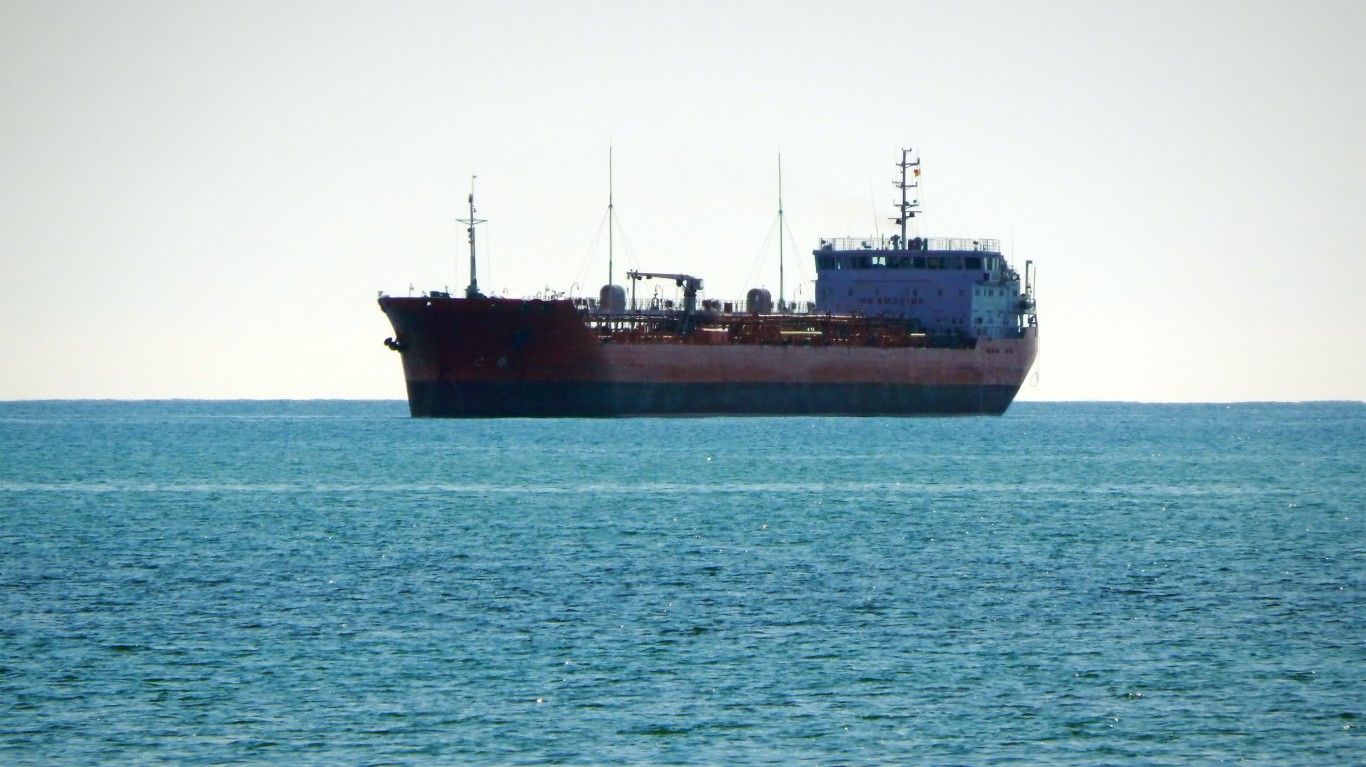
Costs for shipping a barrel of crude oil around the word have reached record highs, driven by disruptions caused by the Iran war. The conflict is reshaping global shipping routes and could reshape shipping economics.
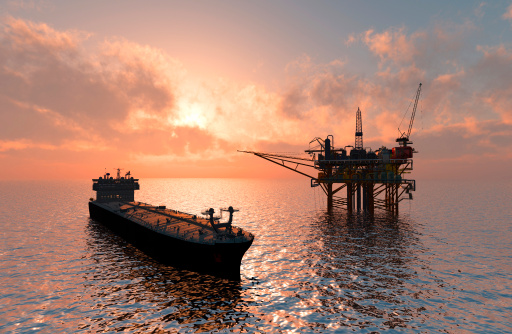
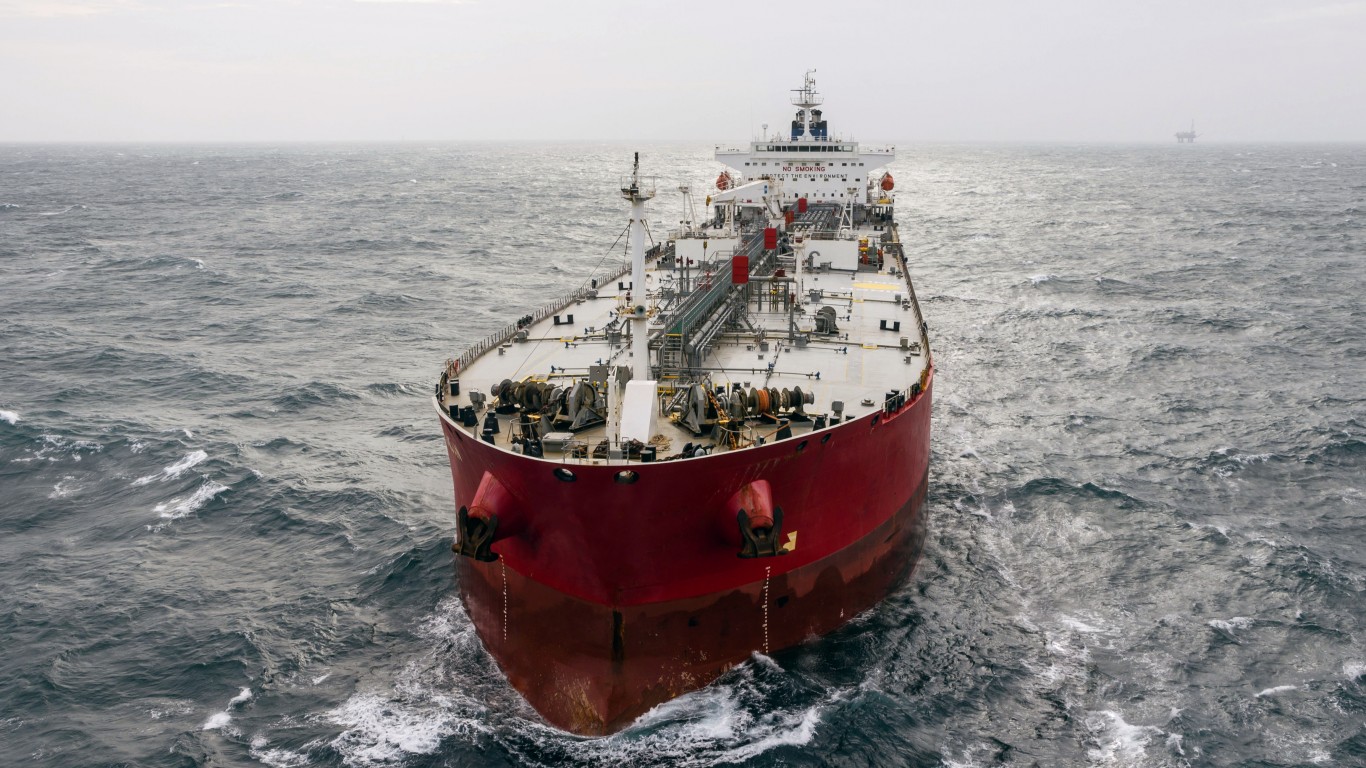
According to data from European analyst Karel Mercx, the cost of shipping 2 million barrels of oil from West Africa to China on a Very Large Crude Carrier (VLCC) jumped to $20.41 per barrel last week and The Kobeissi Letter on X said it hit $23.59 a barrel by Saturday. In July, that same barrel cost approximately $6.50 — a 258% increase in only two months.
The jump reflects a broader shortage of available tankers as geopolitical disruptions force ships to take longer routes and avoid dangerous waters. Reuters reports that VLCC rates from the Gulf of Oman to China had reached roughly $11.50 per barrel, a record level for the route, as attacks and security risks disrupted tanker availability. The Foreign Policy Journal says charter rates in the tanker market have surged past $1 million per day.
The cost of oil isn’t just the cost of crude anymore. It’s also the cost of moving it. A $23.59 freight bill effectively adds another layer to the delivered price of every barrel on that route. If elevated tanker rates spread across additional routes, refiners and buyers eventually have to absorb those costs or pass them along.
Diesel Is Where It Gets Personal
The most immediate warning sign is diesel. The U.S. Energy Information Administration reported a national on-highway diesel average of $6.285 a gallon for the week ended September 14, up from $5.967 the previous week and $3.739 a year earlier. AAA subsequently put the national price at a record $6.51 a gallon on September 21.
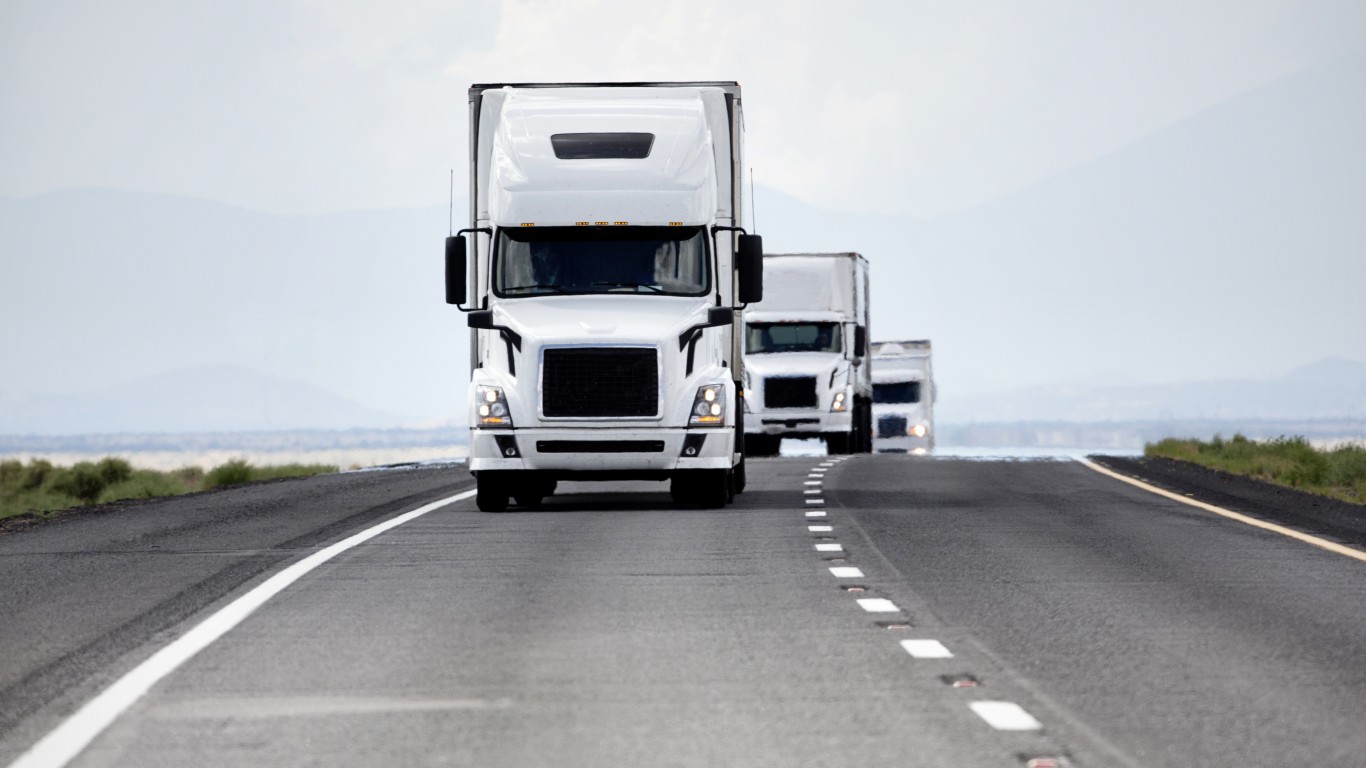
Because diesel is the workhorse fuel of the economy — trucks, trains, construction equipment, farm machinery, and industrial operations depend heavily on it — it means higher diesel costs don’t stay at the pump. They filter throughout the economy, affecting virtually everything you buy, from groceries and clothes to consumer electronics and construction bids.
A truck carrying food from a distribution center pays more, as does the farmer harvesting crops or a manufacturer moving components. Those businesses then face a choice: absorb the higher expense and accept lower margins or pass it to customers. Reuters estimates freight and transportation account for about 80% of U.S. diesel consumption, or roughly 3 million barrels per day.
The Inflation Multiplier Is Already Working
Investors need to look beyond oil futures. A retailer can negotiate with suppliers, while a manufacturer can find a cheaper component, but neither can negotiate with the price of diesel needed to move goods across thousands of miles. Worse, that pressure can persist even if crude prices retreat. Refinery disruptions, limited transportation capacity, and expensive tanker rates can keep refined-fuel prices elevated after the underlying commodity begins falling.
That is the risk investors should watch. Higher energy costs squeeze transportation and industrial margins first, then filter into consumer prices. This spike in crude shipping costs is not a one-time shock; it marks the start of re-inflation, one the Federal Reserve cannot ignore. The central just raised interest rates at its last meeting and expects at least one more before the end of the year. It may only be the start of a series of rate hikes to come.
Key Takeaway
The 258% jump in crude-shipping costs is more than an energy-market curiosity. Combined with record diesel prices, it creates another inflationary pressure point at precisely the wrong time.
Certainly shipping rates can reverse quickly if geopolitical risks ease and tanker availability improves. But until that happens, investors should be cautious with businesses that have thin margins and heavy transportation exposure.
The bigger opportunity is to identify companies with pricing power, strong balance sheets, and limited dependence on freight-intensive operations. The next inflation shock may not come from the price of oil itself. It may come from the cost of getting that oil — and everything else — where it needs to go.
Contact [email protected] for any questions or corrections.
After two decades of patrolling the dark corners of suburbia as a police officer, Rich Duprey hung up his badge and gun to begin writing full time about stocks and investing. For the past 20 years, he’s been cruising the markets looking for companies to lock up as long-term holdings in a portfolio while writing extensively on the broad sectors of consumer goods, technology, and industrials. Because his experience isn’t from the typical financial analyst track, Rich is able to break down complex topics into understandable and useful action points for the average investor. His writings have appeared on The Motley Fool, InvestorPlace, Yahoo! Finance, Money Morning, and, of course, 24/7 Wall St. He has been featured in both U.S. and international publications, including MarketWatch, Financial Times, Forbes, Fast Company, and USA Today.