What The CPI Missed Completely
The government's official inflation figure made headlines, but it glosses over two fuel costs that quietly squeeze American households and quietly drive up the price of almost everything else you buy.

The CPI rose 3.4% year over year in July and was touted as a slowing of inflation. It is still below a target set long ago by the Fed, which is about 2%. The July figure is viewed as a possible block to the Fed raising rates. However, what is inflation and what is not ends up in the eye of the beholder.
Gas prices rose 24.7%. Fuel oil prices rose 39.1%.
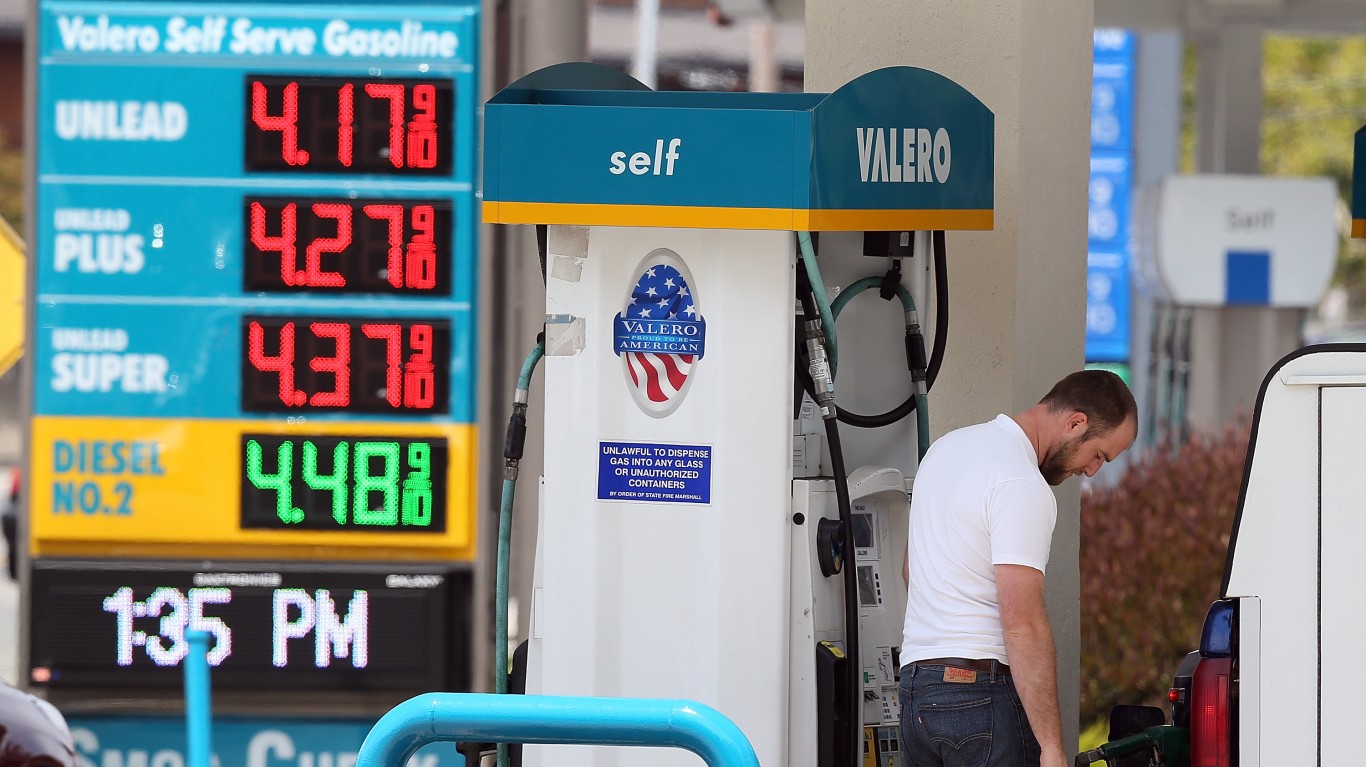
A typical American drives 14,000 miles a year. At $4.07 a gallon of regular, gas prices are up 29% year over year. About 30% of Americans, however, drive over 15,000 miles. In 10 states, they drive over 16,000 miles. In eight, they drive over 17,000 miles. Depending on a vehicle’s MPG, the 29% increase is meaningful.
Gas prices are not a trivial expense. They run about $2,500 per household.
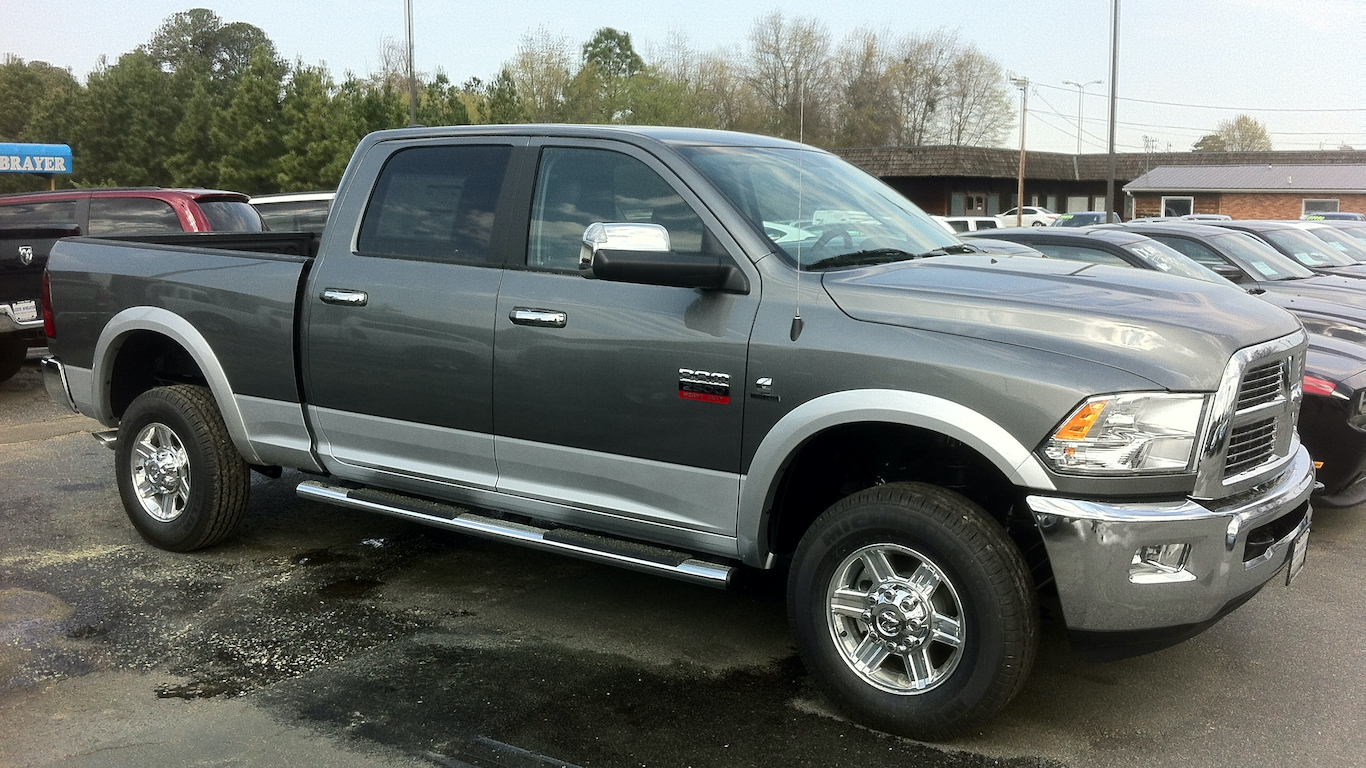
Often more important than gas prices when it comes to inflation is the price of diesel. America runs on diesel to the extent that 70% of all freight based on weight is moved by truck. The average price per gallon is $5.40. That is up 45% year over year, according to AAA.
The Real Economy Blog points out, “We expect higher transportation costs to continue to pressure food and most other goods higher for consumers and for all aspects of the business community.” Over time, does the consumer dodge that effect? Almost certainly not.
Gas prices have already hit consumers, so their effect is obvious. Diesel’s effect in terms of time frame is not so obvious, but some of it will be passed along. Businesses that sit between diesel prices and consumers cannot simply absorb that difference.
Contact [email protected] for any questions or corrections.
Douglas A. McIntyre is the co-founder, chief executive officer and editor in chief of 24/7 Wall St. and 24/7 Tempo. He has held these jobs since 2006.
McIntyre has written thousands of articles for 24/7 Wall St. He is an expert on corporate finance, the automotive industry, media companies and international finance. He has edited articles on national demographics, sports, personal income and travel.
His work has been quoted or mentioned in The New York Times, The Wall Street Journal, Los Angeles Times, The Washington Post, NBC News, Time, The New Yorker, HuffPost USA Today, Business Insider, Yahoo, AOL, MarketWatch, The Atlantic, Bloomberg, New York Post, Chicago Tribune, Forbes, The Guardian and many other major publications. McIntyre has been a guest on CNBC, the BBC and television and radio stations across the country.
A magna cum laude graduate of Harvard College, McIntyre also was president of The Harvard Advocate. Founded in 1866, the Advocate is the oldest college publication in the United States.
TheStreet.com, Comps.com and Edgar Online are some of the public companies for which McIntyre served on the board of directors. He was a Vicinity Corporation board member when the company was sold to Microsoft in 2002. He served on the audit committees of some of these companies.
McIntyre has been the CEO of FutureSource, a provider of trading terminals and news to commodities and futures traders. He was president of Switchboard, the online phone directory company. He served as chairman and CEO of On2 Technologies, the video compression company that provided video compression software for Adobe’s Flash. Google bought On2 in 2009.