Tesla Sales Crippled In World’s Biggest EV Country
Tesla's August numbers out of China signal trouble for a company already struggling to find a win in 2026, and the problems extend well beyond one month of weak demand.

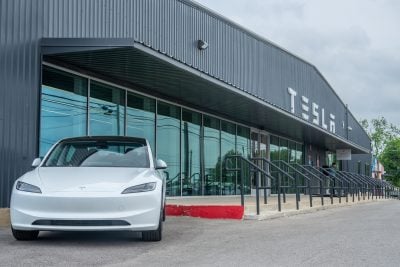
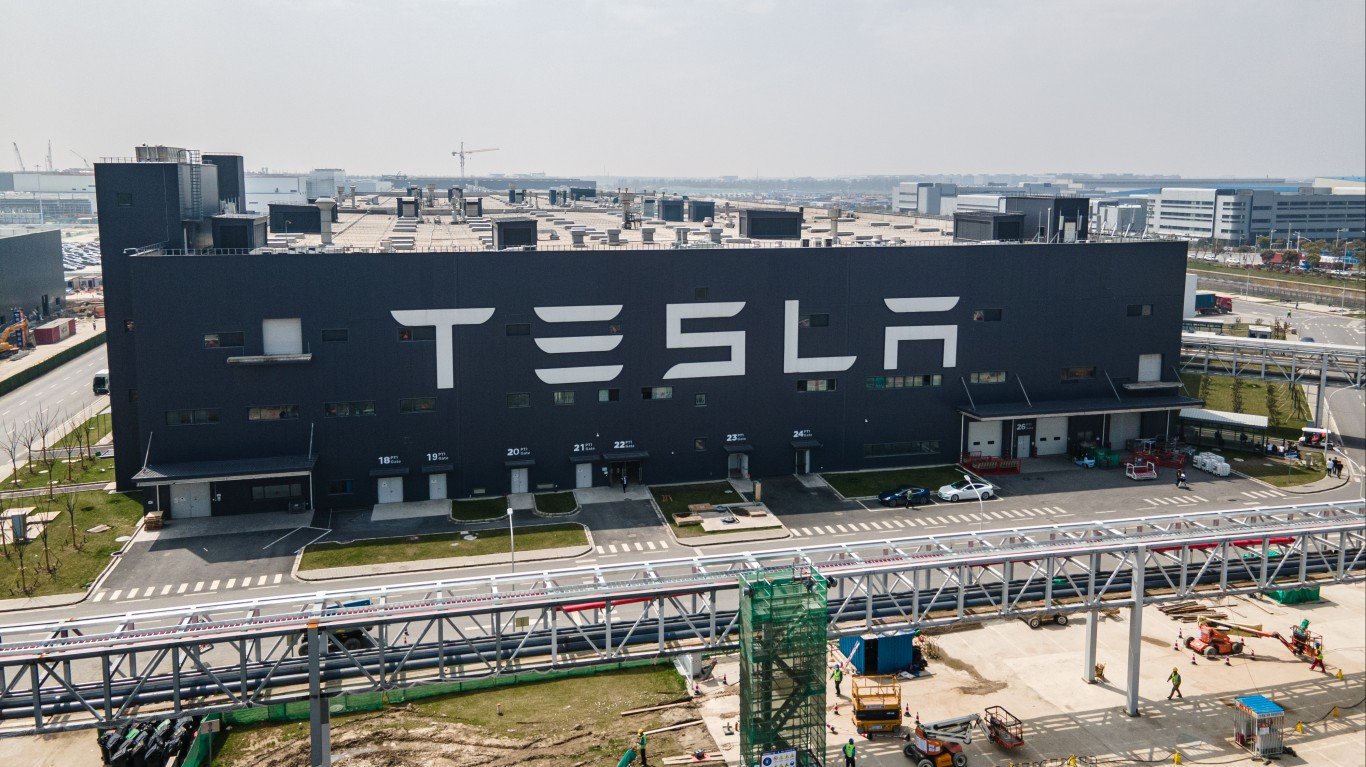
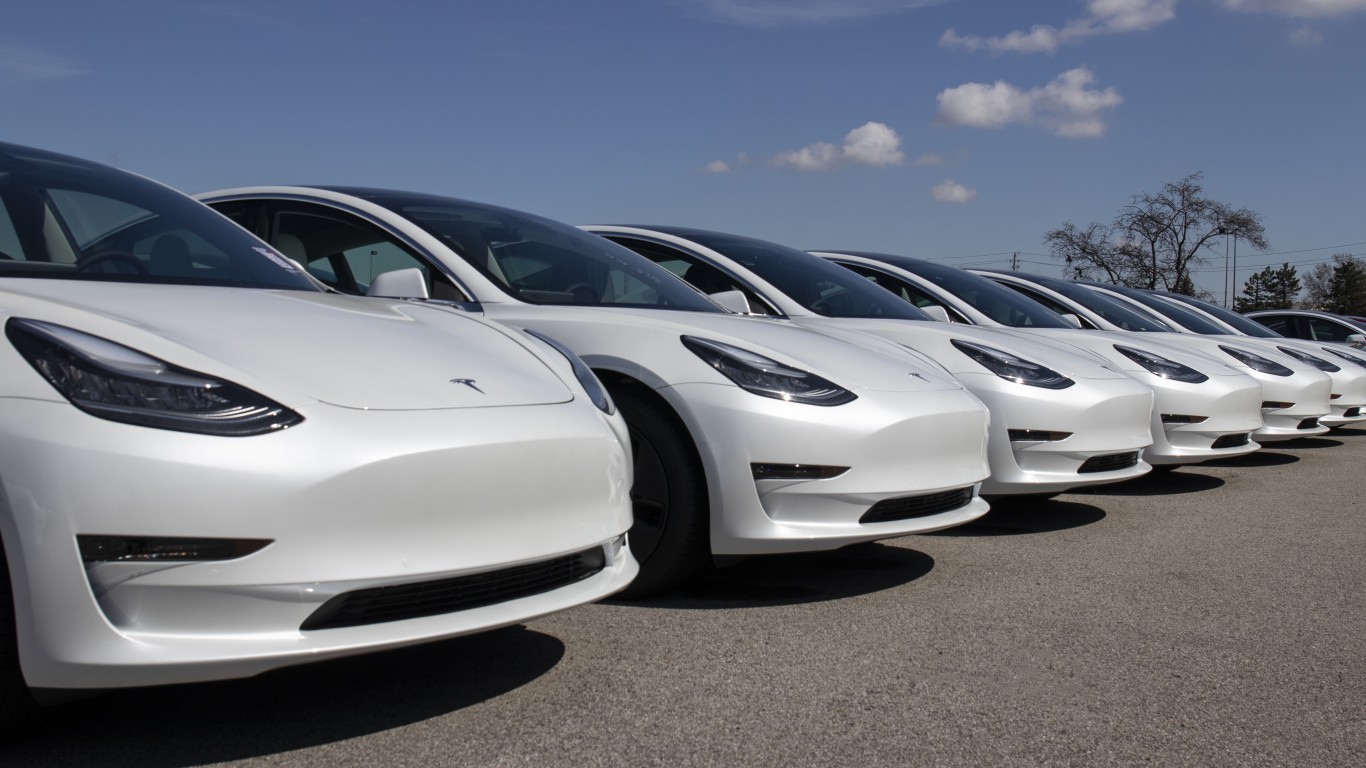
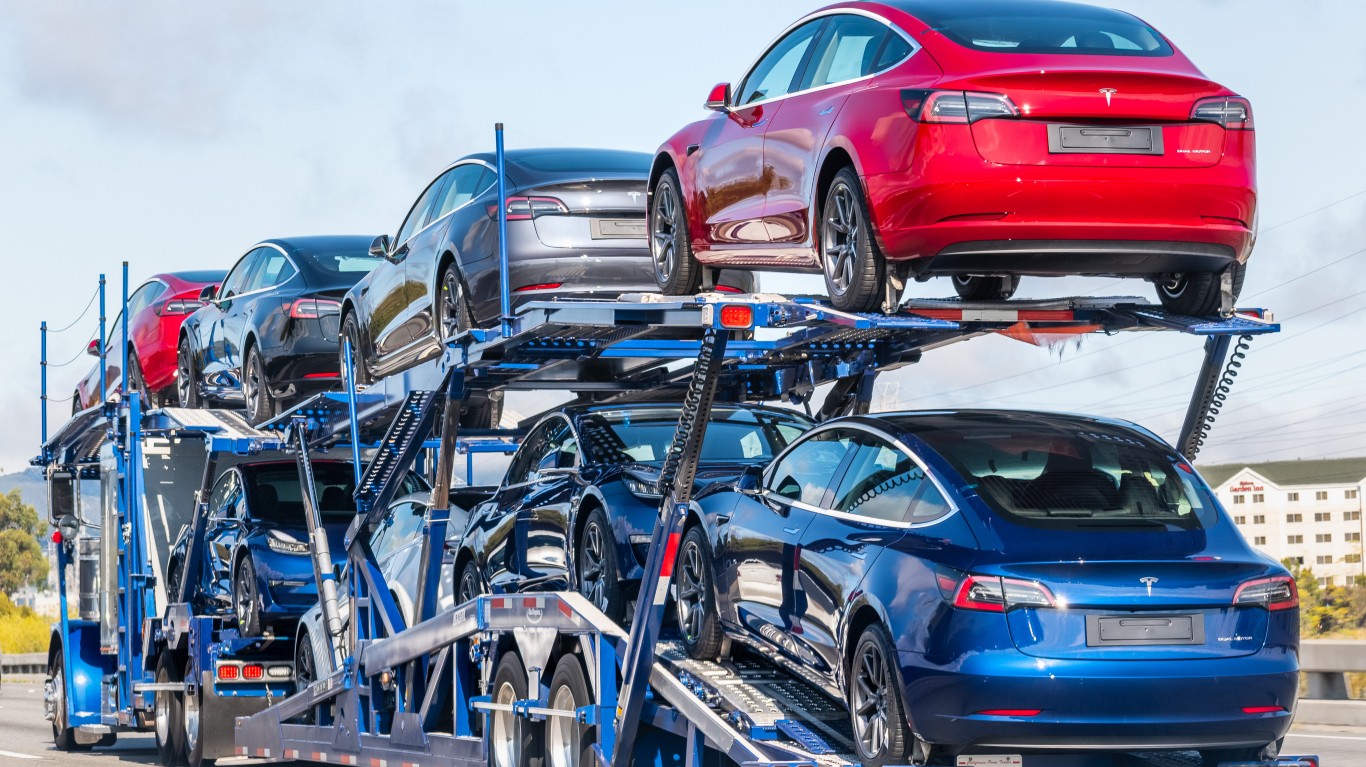
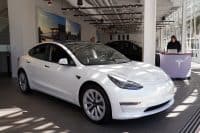
Tesla (NASDAQ: TSLA | TSLA Price Prediction) got some bad news. Its retail sales in China fell 12.4% in August. China is by far the world’s largest EV market. Tesla sales dropped to 50,047, according to the China Passenger Car Association (CPCA). It was Tesla’s weakest August since 2022. The Shanghai factory exported 36,119 vehicles, which was a positive sign.
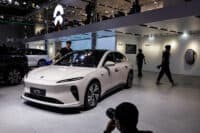
Tesla’s sales are likely being pulled down because of an overall weak market in China. Across the industry, domestic sales cratered 24% to 1.54 million units.
While the export news was good for Tesla, EV companies need China because of the market’s huge volume. To keep pace with its second quarter, it needs to produce over 450,000 vehicles and deliver over 480,000 vehicles worldwide. Since the US EV market has been weak so far this year, EU and UK sales must make up the difference. Those markets are too small.
The China figures raise the question once again about how important EV sales are to Tesla’s future. Its performance in its home market will not save what is likely to be a down year for global sales. EV reports note, “In the first half of the year, Tesla moved an estimated 234,425 vehicles in the US, roughly 40,200 fewer than the 274,638 sold in the same period of 2025 — a decline of approximately 14.6%.”
Tesla’s appeal to the investment community is that products beyond EVs are the key to the future, that EV sales won’t lift the company’s revenue, and that CEO Elon Musk says other prospects are much larger. An update on its Cybercab was weak enough to drag the stock down 6%, which puts it down 21% for the year. The S&P 500 is 13% higher.
If Tesla’s autonomous driving cab were the only option for this kind of transportation, the market might view it differently. However, several similar products exist, led by Google’s Waymo. The entire industry is also hampered by slow approval from local authorities to operate on the road without restrictions.
Tesla needs a “win” this year, and so far it hasn’t gotten one.
Contact [email protected] for any questions or corrections.
Douglas A. McIntyre is the co-founder, chief executive officer and editor in chief of 24/7 Wall St. and 24/7 Tempo. He has held these jobs since 2006.
McIntyre has written thousands of articles for 24/7 Wall St. He is an expert on corporate finance, the automotive industry, media companies and international finance. He has edited articles on national demographics, sports, personal income and travel.
His work has been quoted or mentioned in The New York Times, The Wall Street Journal, Los Angeles Times, The Washington Post, NBC News, Time, The New Yorker, HuffPost USA Today, Business Insider, Yahoo, AOL, MarketWatch, The Atlantic, Bloomberg, New York Post, Chicago Tribune, Forbes, The Guardian and many other major publications. McIntyre has been a guest on CNBC, the BBC and television and radio stations across the country.
A magna cum laude graduate of Harvard College, McIntyre also was president of The Harvard Advocate. Founded in 1866, the Advocate is the oldest college publication in the United States.
TheStreet.com, Comps.com and Edgar Online are some of the public companies for which McIntyre served on the board of directors. He was a Vicinity Corporation board member when the company was sold to Microsoft in 2002. He served on the audit committees of some of these companies.
McIntyre has been the CEO of FutureSource, a provider of trading terminals and news to commodities and futures traders. He was president of Switchboard, the online phone directory company. He served as chairman and CEO of On2 Technologies, the video compression company that provided video compression software for Adobe’s Flash. Google bought On2 in 2009.