Google Makes Its Single Largest AI Investment in Europe — Bets $15 Billion on Finland AI Infrastructure
Alphabet just staked more money on a single European country than most tech giants spend globally in a year, and the reason has less to do with servers than with something far scarcer: guaranteed clean power through 2050.

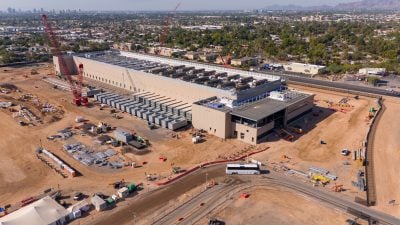
Anchor Number: $15 Billion for Finland
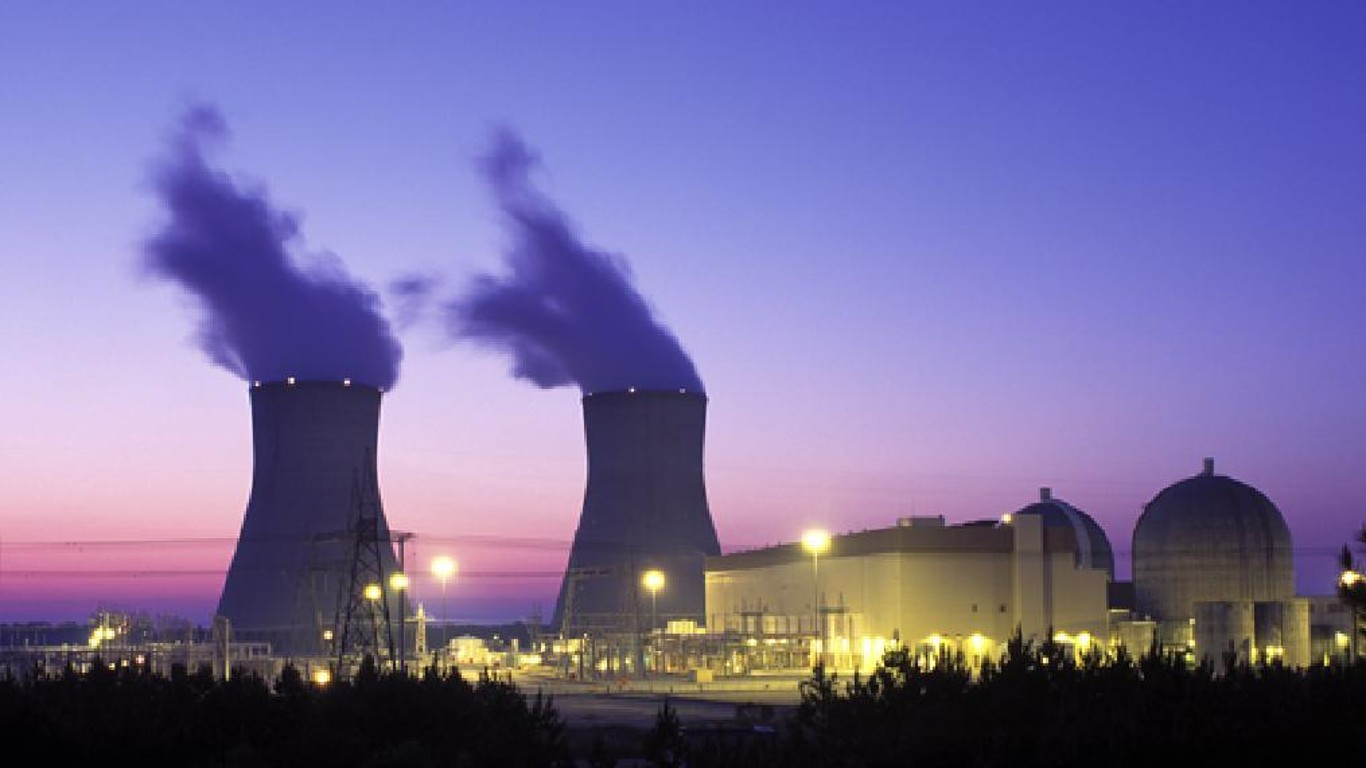
Google (NASDAQ:GOOG | GOOG Price Prediction) is committing at least €13 billion ($15.1 billion) in AI infrastructure in Finland over 2027 and 2028, a company-announced capital commitment that the search giant is calling its single largest AI investment in Europe to date. The pledge, unveiled this week, pairs a data-center buildout with a 94MW battery system, new wind contracts, and a 22 year nuclear power deal covering up to half of Fortum’s Loviisa output. This is a strategic capital deployment announcement rather than a reported earnings figure.
What $15 Billion Buys in the Arctic
Finland gives Google two scarce ingredients for training frontier models: cheap, cold air and low-carbon electricity. The country’s cold climate reduces cooling costs, and its abundant low-carbon energy aligns with Google’s climate targets while supporting Gemini, Search, Maps, and YouTube. The nuclear piece is the structural anchor. Google’s 22-year purchase agreement covers up to 50% of the energy output from Finland’s Loviisa nuclear plant operated by Fortum, providing long-term economic certainty for the facility through 2050. It is Google’s first nuclear contract outside the United States.
The Finland spend fits inside a much larger machine. Alphabet already guided full-year 2026 capex of $175 billion to $185 billion, and Q2 alone delivered capital expenditures of $44.9 billion, up 100.14% year over year. Roughly 60% of that technical-infrastructure investment went to servers and 40% to data centers and networking equipment. Finland is where a slice of that spend physically lands (we profiled seven of the power, cooling, and networking suppliers benefiting from exactly this kind of buildout in a free AI infrastructure report). The regional payoff is measurable: the project is projected to contribute approximately €3.6 billion to Finland’s GDP during construction and support roughly 7,000 jobs annually once operational.
Market Reaction
GOOG traded at $328.13 intraday on September 9, 2026, down 2.16% for the session. The one-week move sits at -1.11%, and one-month performance is -7.11%. Zoom out and the picture reframes: shares are up 4.77% year to date, 40.5% over the trailing year, and 128.59% over five years. The Finland announcement did not spark a same-day rally, but the multi-year compounding is where the story sits.


Bull Case
The $15 billion Finland commitment is a bet on scarcity, and the scarcity is real. On the Q2 call, management said Alphabet remains “supply constrained” for AI models and infrastructure, with Google Cloud backlog reaching $514 billion, an increase of more than $50 billion sequentially. Alphabet expects to recognize just over 50% of that backlog as revenue over the next 24 months. Finnish capacity is one of the levers that turns backlog into billings.

The cloud unit is already converting AI demand into scale. Google Cloud revenue hit $24.77 billion in Q2, up 82% year over year, with cloud operating income more than tripling to $8.8 billion and operating margin expanding to 35.6% from 20.7% a year earlier. Enterprise adoption is broad: nearly 90% of the Fortune 100 now use Gemini Enterprise, and Gemini models process 22 billion API tokens per minute. EMEA, the region Finland will serve, generated $32.50 billion in Q2 revenue, up 15%.
Consolidated results back the reinvestment case. Q2 posted revenue of $119.8 billion, up 24.23%, operating income of $40.77 billion, up 30.38%, and EPS of $9.11 versus a $3.0427 estimate. The valuation still reads reasonable at a P/E of 14, with ROE of 35.7% and a 32.8% net profit margin. As CEO Sundar Pichai put it on the Q2 call: “It feels like, if anything, over the past year, we’ve gotten more bullish on the opportunities ahead.”

Bottom Line
For long-term holders, the Finland commitment matters because it locks in power, land, and cooling for a decade of AI inference at a price Alphabet can defend. The nuclear contract runs through 2050. The capex intensity is heavy, and free cash flow ran negative $5.86 billion in Q2, but the backlog and cloud margin trajectory suggest the spend is buying real revenue. Watch two near-term markers: the $0.22 quarterly dividend with a payment date of September 14, 2026, and Q3 FY2026 earnings expected in late October 2026, where investors will get an updated read on backlog conversion and cloud margin trends. Fifteen billion dollars in one country is a statement about where the next leg of Alphabet’s growth is being poured in concrete.
Contact [email protected] for any questions or corrections.
After two decades of patrolling the dark corners of suburbia as a police officer, Rich Duprey hung up his badge and gun to begin writing full time about stocks and investing. For the past 20 years, he’s been cruising the markets looking for companies to lock up as long-term holdings in a portfolio while writing extensively on the broad sectors of consumer goods, technology, and industrials. Because his experience isn’t from the typical financial analyst track, Rich is able to break down complex topics into understandable and useful action points for the average investor. His writings have appeared on The Motley Fool, InvestorPlace, Yahoo! Finance, Money Morning, and, of course, 24/7 Wall St. He has been featured in both U.S. and international publications, including MarketWatch, Financial Times, Forbes, Fast Company, and USA Today.