Google Is Buying Half a Nuclear Plant’s Output Through 2049. Cheap Power Just Became the Real AI Moat.
Google just signed a nuclear power contract stretching to 2049, turning electricity from a volatile expense into a fixed cost across two decades of AI growth. Whether that move reshapes Alphabet's competitive position or arrives too late to matter is…

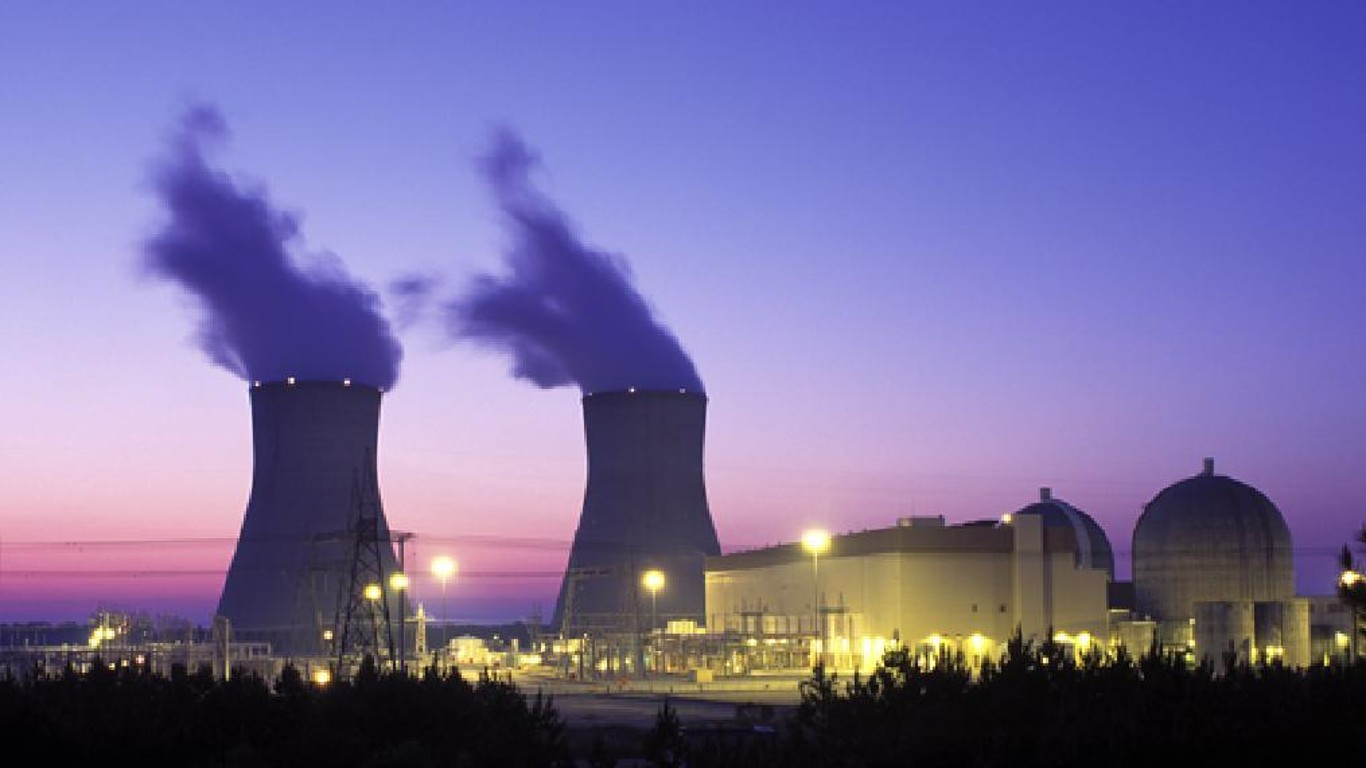
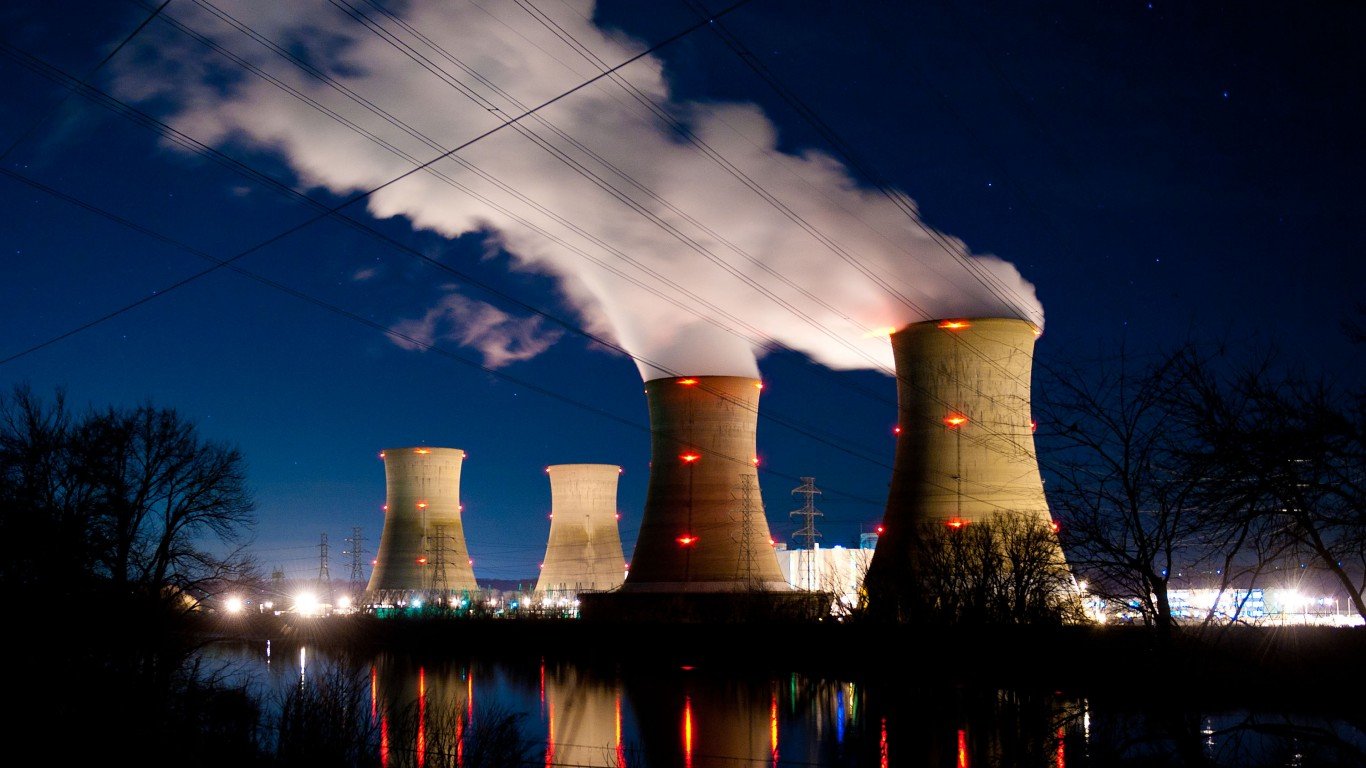
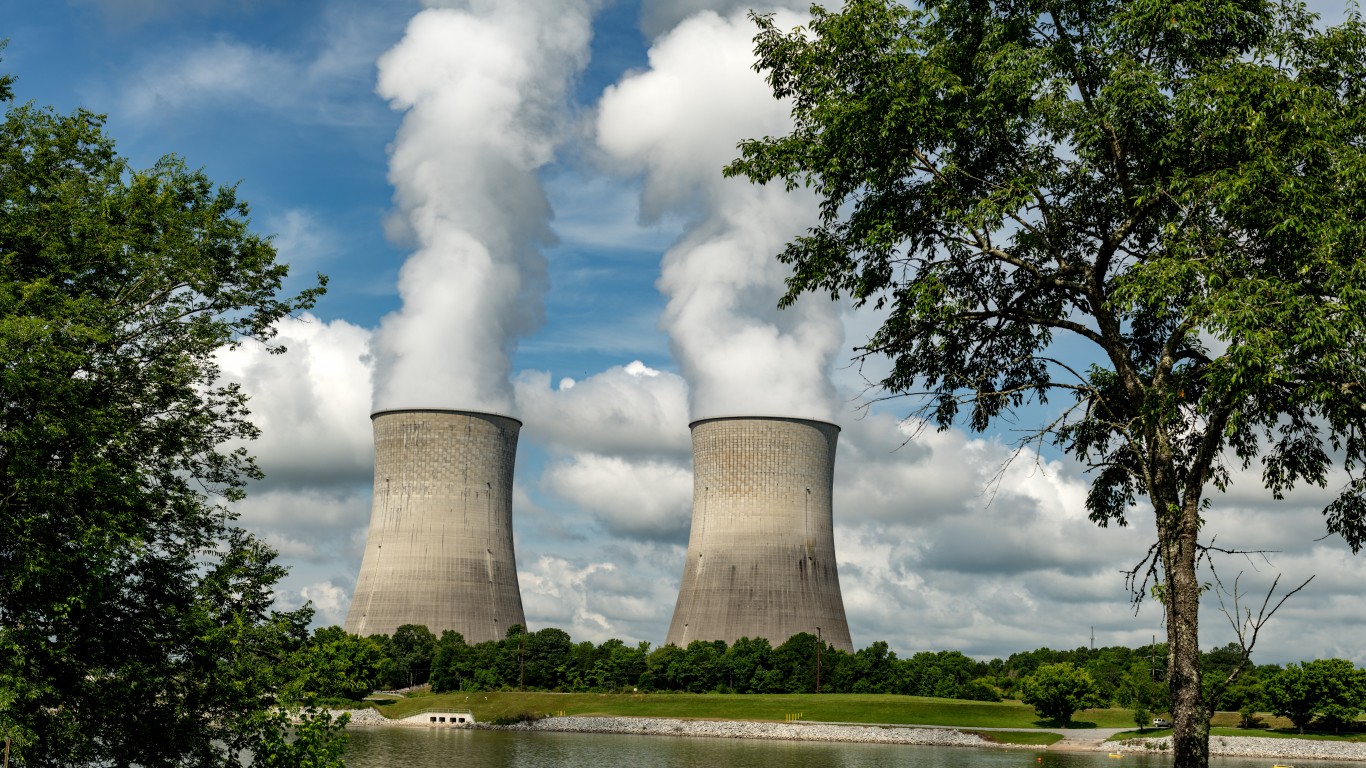
Google (NASDAQ:GOOG | GOOG Price Prediction, NASDAQ:GOOGL) said it will pour a record $15 billion into AI infrastructure in what CNBC called the “Texas of Europe,” anchored by three northern data centers and a long-dated agreement to buy a large share of the output from Fortum’s Loviisa nuclear plant, with deliveries running for roughly two decades starting at the end of this decade.
That contract, first detailed by the Wall Street Journal, converts one of the least predictable line items in hyperscale computing, wholesale electricity, into a fixed and knowable cost through 2049.
The question worth answering is narrow. Does locking in two decades of low-carbon baseload structurally lower Alphabet’s cost per unit of AI compute, or does the timing mismatch mute the benefit? I think it matters, but not yet.

What Alphabet Actually Bought
Fortum’s Loviisa station is a working Finnish nuclear complex, and Google’s offtake secures a meaningful share of its generation for the life of the agreement (we picked five ways to play the nuclear restart, utilities and fuel included, in a free report here). The buildout pairs that supply with Nordic sites where average air temperatures cut cooling load for most of the year.
Cooling routinely runs as a large recurring share of data-center operating cost, so ambient cold removes a recurring expense outright.
Power, cooling and permission have replaced accelerators as the binding constraints on AI capacity. Finland offers all three, and local opposition to very large sites has been notably less organized than in Virginia, Ireland or the Netherlands.
Alphabet’s spending backdrop makes the deal easier to understand. Management guided 2026 capex to $175 to $185 billion, after $91.45 billion in 2025, and Q2 2026 capex alone hit almost $45 billion.
Why a 2049 PPA Is a Balance-Sheet Weapon
A long-term power purchase agreement turns a volatile operating cost into a fixed one, which grows in value as the asset base becomes larger and more capital-intensive. Google Cloud grew 82% in Q2, with backlog nearly doubling to over $460 billion a quarter earlier.
Sundar Pichai told investors, “Our AI investments are redefining what’s possible across every part of our business.”
Gemini models now process 22 billion API tokens per minute, and inference at that scale is chiefly a power problem. Fixed-price electrons across two decades directly compress the denominator in cost per token.
Interconnection queues and generation shortages are now deciding where compute can exist. Securing electrons ahead of demand is a different competitive act than buying more chips, and the market prices it poorly.

Timing Mismatch You Should Not Ignore
Deliveries begin at the end of this decade, so this deal does not lower Alphabet’s 2026 or 2027 power bill. The capacity being energized today runs on today’s grid at today’s prices.
Free cash flow was negative $5.86 billion in Q2, long-term debt climbed from $46.5 billion to $98.2 billion, and the buyback was suspended. The near-term math centers on financing the buildout, with electricity savings arriving later.
The advantage is contractual and geographic, and peers can pursue similar contracts. Microsoft (NASDAQ:MSFT), Amazon (NASDAQ:AMZN), and Meta (NASDAQ:META) can sign their own European nuclear offtakes, and several already have.
What would prove the thesis wrong: Loviisa slips, Finnish grid buildout stalls, or peers lock up comparable Nordic baseload at similar tenors before Alphabet’s second and third sites break ground.
Shares trade at $330.65, up 38.34% over one year, on a trailing P/E of 17x against an analyst target of $428.07. Sell-side coverage skews positive with 45 buys and 13 strong buys.

You are paying a reasonable multiple for 32.8% net margins, an accelerating cloud business, and a management team willing to underwrite electricity out to 2049. The Loviisa deal will not rescue this year’s free cash flow, although it secures optionality that competitors will pay more to replicate later.

Contact [email protected] for any questions or corrections.
Omor Ibne Ehsan is a writer at 24/7 Wall St. He is a self-taught investor with a focus on growth, cyclical, and dividend equities that have strong fundamentals, value, and long-term potential. He also has an interest in high-risk, high-reward investments such as penny stocks.