Pepsi vs Coca-Cola Stock: Cramer Declares A Winner As Pepsi’s Dividend Hits 4%
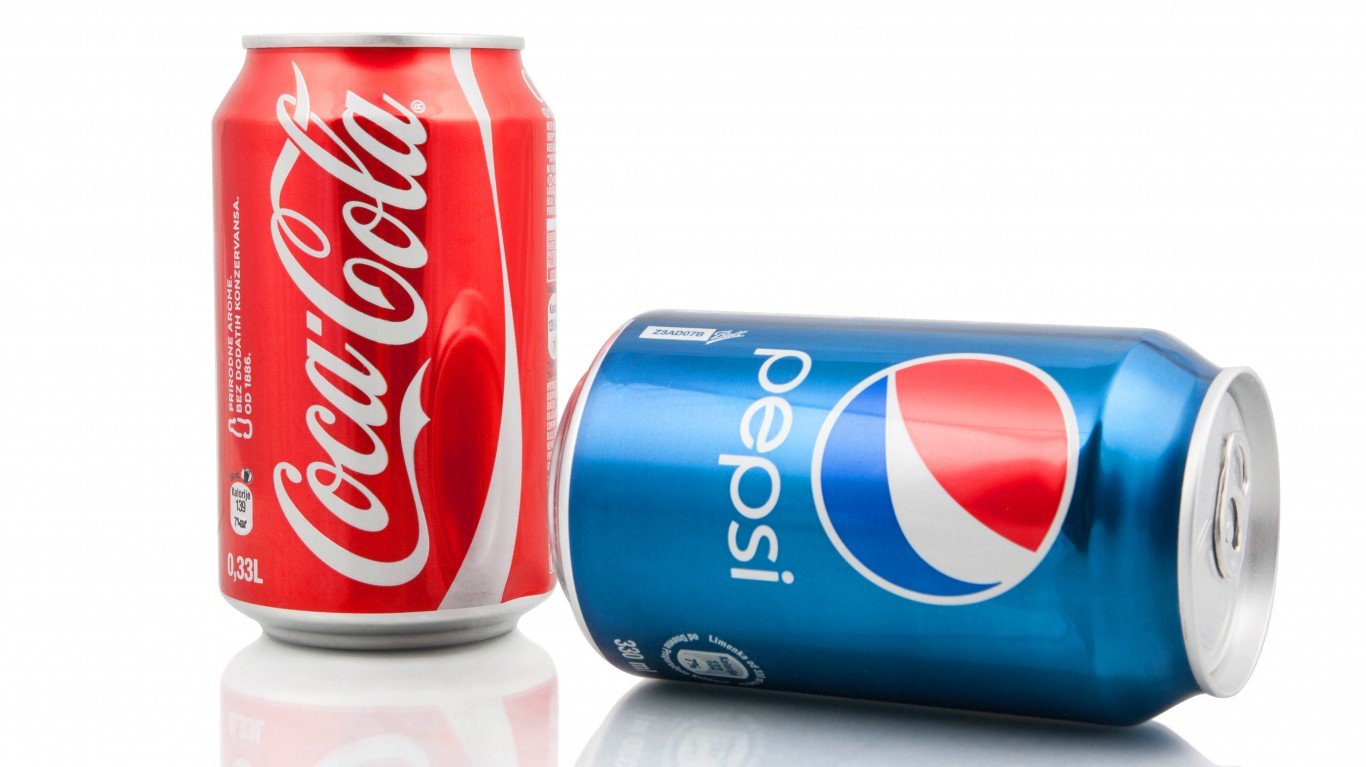
Pepsi's stock has barely moved in five years while Coca-Cola surged over 80%, yet Jim Cramer says that very underperformance makes one of them the smarter buy right now.

PepsiCo kicked off its 26th NFL season campaign, “Tailgating Deserves Pepsi,” featuring Pro Football Hall of Famer Jerome Bettis as the “Pepsi gameday ref” alongside Justin Jefferson, complete with a free Pepsi Zero Sugar 12-pack offer running September 9 through September 14, or until 5,000 redemptions are reached. The gameday marketing machine is humming. The stock, less so.
Cramer’s Accidentally High Yield Thesis
PepsiCo (NASDAQ:PEP | PEP Price Prediction) trades at $138.44, down 0.6% year to date and up just 4.51% over five years. Over that same five-year stretch, Coca-Cola (NYSE:KO) is up 83.42%, with a 28.09% year-to-date gain and a 34.77% one-year advance to $88.40.


Jim Cramer’s pitch for Pepsi rests on the very math that underperformance creates. On a July episode of Mad Money, he noted that “PepsiCo dropped nearly a buck sinking to a level where it sports a dividend yield north of 4%.” He has since framed the setup around a lower valuation, cheaper oil, and that accidental income. When Cramer earlier compared the two names, he reminded viewers that “the share price tells you nothing about a stock’s valuation vis a vis another stock. To make any kind of apples to apples comparison, you take a step back.”
Dividend Machine Keeps Grinding
Pepsi raised its quarterly payout to $1.48 per share, up from $1.4225, with the latest ex-dividend date September 4 and payment date September 30. That marks the 54th consecutive annual increase, backed by a $10 billion buyback authorization through February 28, 2030. The yield sits at 4.04%, versus 2.32% at Coca-Cola.
Two Different Growth Stories
Pepsi’s Q2 2026 revenue rose 6.4% year over year to $24.181B, with core EPS of $2.20. CEO Ramon Laguarta told analysts that “a category that was negative in volume now is positive in volume. We were losing share in volume. Now we’re gaining share in volume.” Still, the company signaled results could land at the low end of its EPS range, hampered by softer U.S. impulse channels.

Coca-Cola, by contrast, is compounding. Q2 delivered adjusted EPS of $0.97 and revenue of $13.380B, up 6.74% YoY, with 5% unit case volume growth and raised full-year guidance calling for comparable EPS growth of 9 to 10%. CEO Henrique Braun said, “We delivered a strong quarter with broad-based momentum across our business.”

Scoreboard Investors Actually Watch
Pepsi trades at a P/E of 23 against Coke at 29, and Cramer’s view is that the discount plus the 4% yield offers protection. But the yield is elevated because the shares have stalled.
Contact [email protected] for any questions or corrections.
AJ spent 10 years writing about financial markets at The Motley Fool. His coverage centers on technology stocks and the broader macroeconomic trends, from interest rates to geopolitics, that shape where markets are headed next. AJ is drawn to the stories where big-picture economics and individual companies collide.