Jim Cramer on Oracle: $664B Backlog Signals Major Shift in Company’s Growth Trajectory
Oracle just disclosed a backlog figure so large it made Jim Cramer reassess the entire growth story, but the capital costs and insider selling quietly unfolding behind that headline number tell a very different story about what comes next.


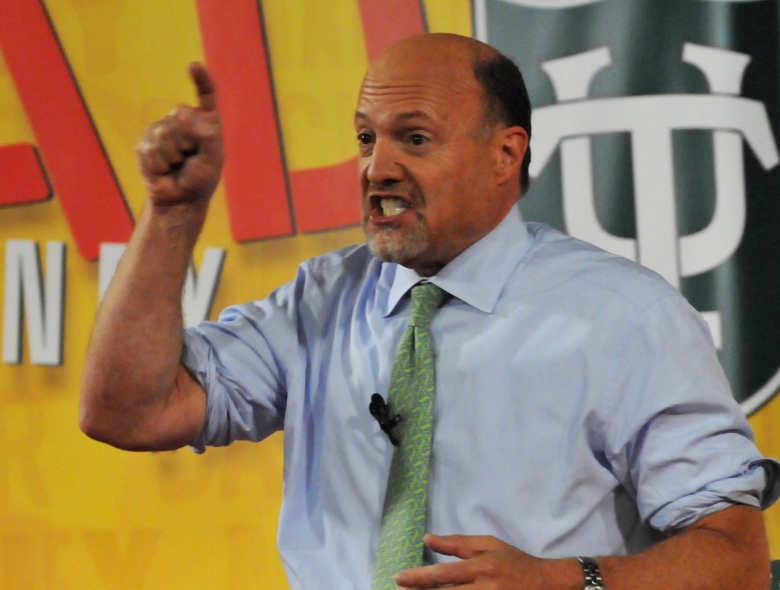
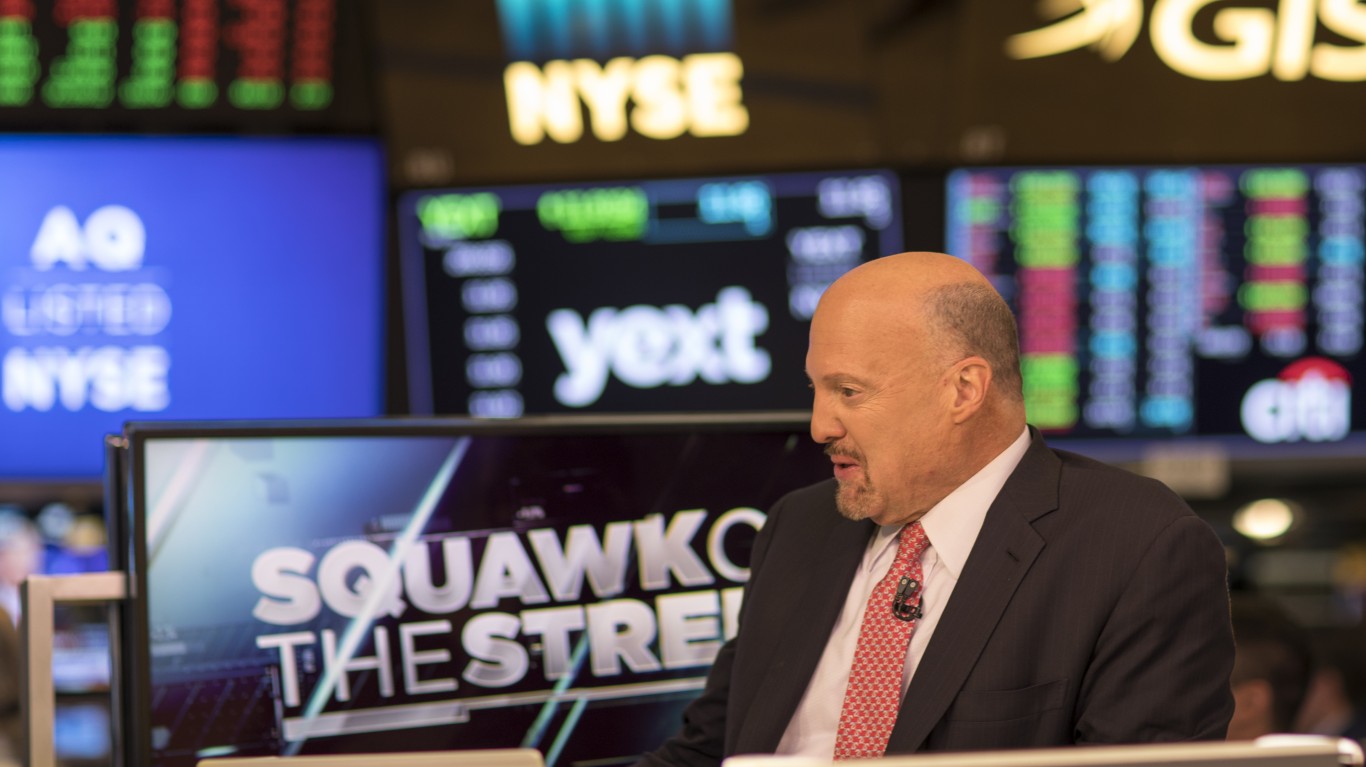
Jim Cramer used his September 11, 2026 episode of Mad Money to walk viewers through what he called the most important line on Oracle’s Q1 balance sheet: the revenue backlog. His verdict on the scale of that backlog was direct. “We’re talking roughly $332 billion worth of contracted business. Two years ago that backlog was just 99 billion. The scale of the opportunity here has changed dramatically,” Cramer said.
Cramer’s framing pairs with a tone shift on the stock. He came away from the quarter feeling more constructive about Oracle (NYSE:ORCL | ORCL Price Prediction) than he had in a long time, describing it as a calm, reassuring, almost normal conference call from a company delivering capacity, collecting customer money and holding its spending forecast in check.

What Oracle Actually Reported
Cramer’s growth math and his figure for where the backlog stood two years ago are his own characterizations. The company-reported number from Oracle’s Q1 FY2027 release is larger. Oracle disclosed remaining performance obligations of $664 billion, an increase of $209 billion year over year, according to the official 8-K exhibit filed with the SEC on September 10, 2026. Oracle said it booked more than $30 billion in new AI cloud contracts in the quarter alone.
The operating picture behind the backlog got sharper too. Total revenue hit $19.34 billion, up 29.61% year over year. Cloud infrastructure revenue jumped 121% to $7.39 billion, and non-GAAP EPS came in at $1.92 against a $1.7391 consensus. Management raised full-year FY2027 revenue guidance to at least $90 billion and set non-GAAP EPS at $8.10.
What an RPO Really Is
Remaining performance obligations represent contracted revenue that has not yet been recognized on the income statement. A customer has signed, but Oracle still has to deliver the compute, storage or software over the life of the deal before that dollar shows up as revenue. It is a demand signal, and a very concrete one, though it represents future revenue rather than cash already collected.
Timing matters. On the call, management said Oracle expects around half of its RPO to convert into sales over the next 36 months, and flagged that the newest wave of contracts won’t impact CapEx or revenues until fiscal 28 or beyond. Translation for investors: the biggest revenue impulse from today’s headline number lands later, not immediately.
Capacity Costs Cramer Didn’t Dwell On
Building the capacity to service $664 billion of contracts is expensive. Capital expenditures were $28.5 billion in the quarter, free cash flow was negative $5.4 billion, and interest expense climbed 55% to $1.4 billion on higher debt. Oracle completed a $20 billion at-the-market equity issuance during Q1 to help fund the buildout.
Management did emphasize on the call that “the vast majority of those new contracts were via prepay or bring your own hardware or similar mechanic so won’t require incremental capital from Oracle,” and that GPUs coming up for renewal were renewed or resold at a 20% premium to prior contracts. Those are the data points that back Cramer’s calmer read.
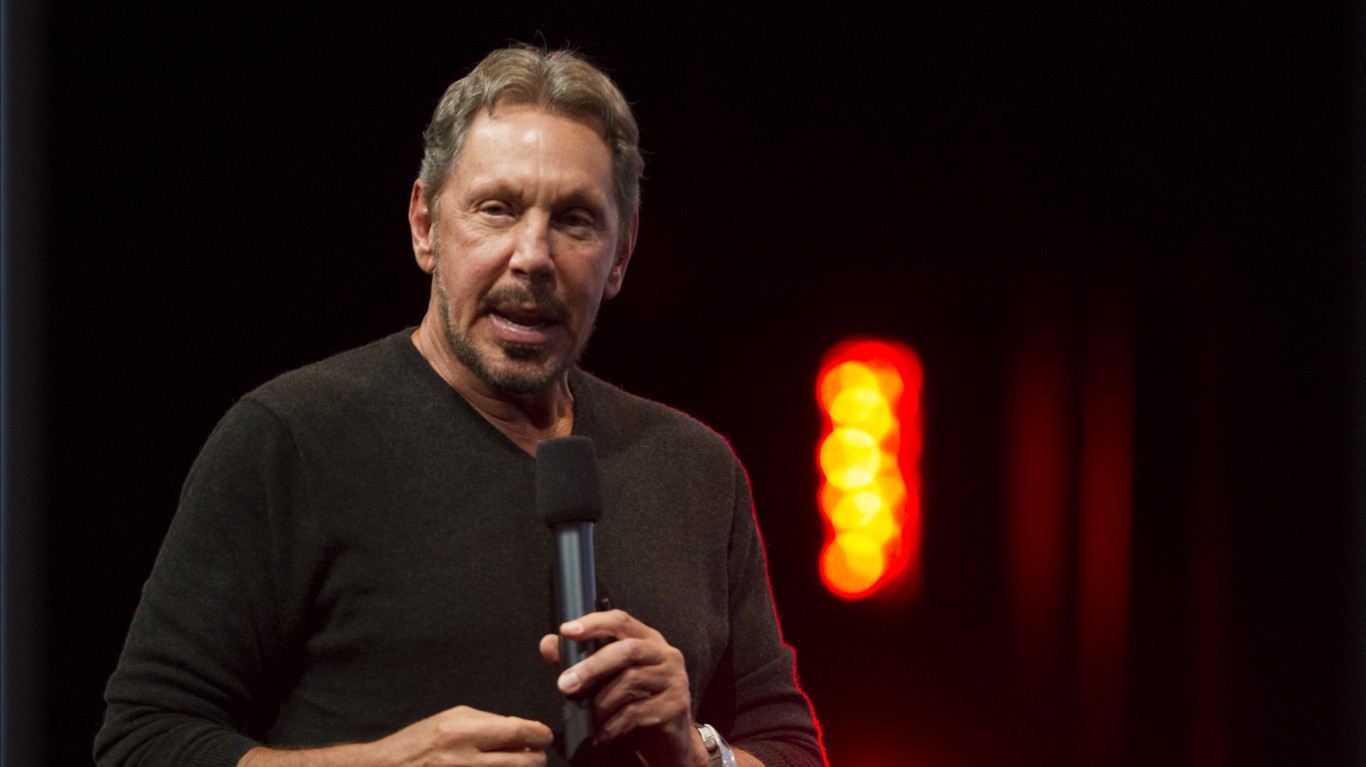
The market has been less patient. ORCL closed at $150.15 on September 11, 2026, down 22.15% year to date and 50.63% below the level from a year earlier. Overnight, CNBC reported that Larry Ellison has adopted a trading plan to sell up to $7.5 billion of Oracle stock, which will feed into the sentiment debate.

What to Watch to Know if the Backlog Converts
- OCI revenue growth cadence. Management guided Q2 cloud revenue growth of 65%-71% in USD. Sustained triple-digit IaaS growth is the tell that RPO is flowing through.
- Capacity delivered. Oracle put 850MW and over 300,000 GPUs into service in Q1. Watch site milestones at Abilene, Shackleford, New Mexico and Wisconsin.
- Net cash CapEx. Oracle told investors to expect not more than 70 billion in net cash CapEx for FY2027. A breach there resets the free cash flow story.
- Investor Day in October, where management said it will offer more detail on the gross margin trajectory as the infrastructure ramp finishes.
Full context is on Oracle’s investor relations page. The backlog has done what Cramer said it did to the opportunity set. The question the next few quarters will settle is how much of it Oracle can turn into recognized revenue while keeping its funding math intact. All of that AI capacity has to be powered, cooled and networked by somebody, and we pulled together seven suppliers doing exactly that in a free report on the AI infrastructure buildout.
Contact [email protected] for any questions or corrections.
Chris Lange is a financial and geopolitical writer with more than a decade of experience covering a myriad of topics. He has published thousands of articles for 24/7 Wall St., with past coverage focused heavily on stocks, IPOs, healthcare, defense, global affairs, and technology.
His work has been quoted, or referenced by a number of outlets including Business Insider, USA Today, Yahoo Finance, MSN, The Motley Fool, and many other publications. A graduate of Southwestern University, he studied business with a focus on investments and has previous experience in banking and startups.
When not reading or writing the news, he is following his passion for Lacrosse, playing chess, or building solar projects with his dad.