ASML Vs. Taiwan Semiconductor Manufacturing: One Is More Misunderstood
Both ASML and TSMC crushed Q2 expectations, yet investors keep misreading what actually drives each business. The real story lives in two overlooked monopolies that most earnings headlines never touch.


ASML (NASDAQ: ASML | ASML Price Prediction) and Taiwan Semiconductor Manufacturing (NYSE: TSM) both posted Q2 2026 results in July, and both got labeled too simply. ASML gets tagged as a cyclical tool vendor. TSMC gets called a foundry. The reality behind their earnings reports is stranger, more concentrated, and more strategically locked in than the average investor assumes.
Why This Quarter Reframed Both Businesses
ASML pulled in $10.65B in Q2 revenue, up 21.3% year over year, with Installed Base Management sales of $3.15B doing the heavy lifting. That line is service, upgrades, and productivity boosts on tools already sitting in customer fabs. It looks nothing like the lumpy equipment sales investors fear. CEO Christophe Fouquet said “Ongoing AI-related investments… are driving demand for advanced Logic and Memory chips”, and the $45.06B backlog backs him up.
TSMC, meanwhile, delivered $40.20B in revenue, up 36.0% YoY, with gross margin of 67.7%. HPC alone was 66% of revenue. C.C. Wei framed the setup bluntly: “Our packaging capacity is so tight that now it’s a little bit of my customers’ growth.” That is a bottleneck operator talking.
| Business Driver | ASML | TSMC |
| Real Monopoly | EUV plus DUV immersion scanners | Leading-edge nodes and CoWoS packaging |
| Q2 Growth Engine | Installed Base upgrades | HPC, up 20% QoQ |
| Gross Margin | 54.0% | 67.7% |
Where the Misunderstanding Actually Lives
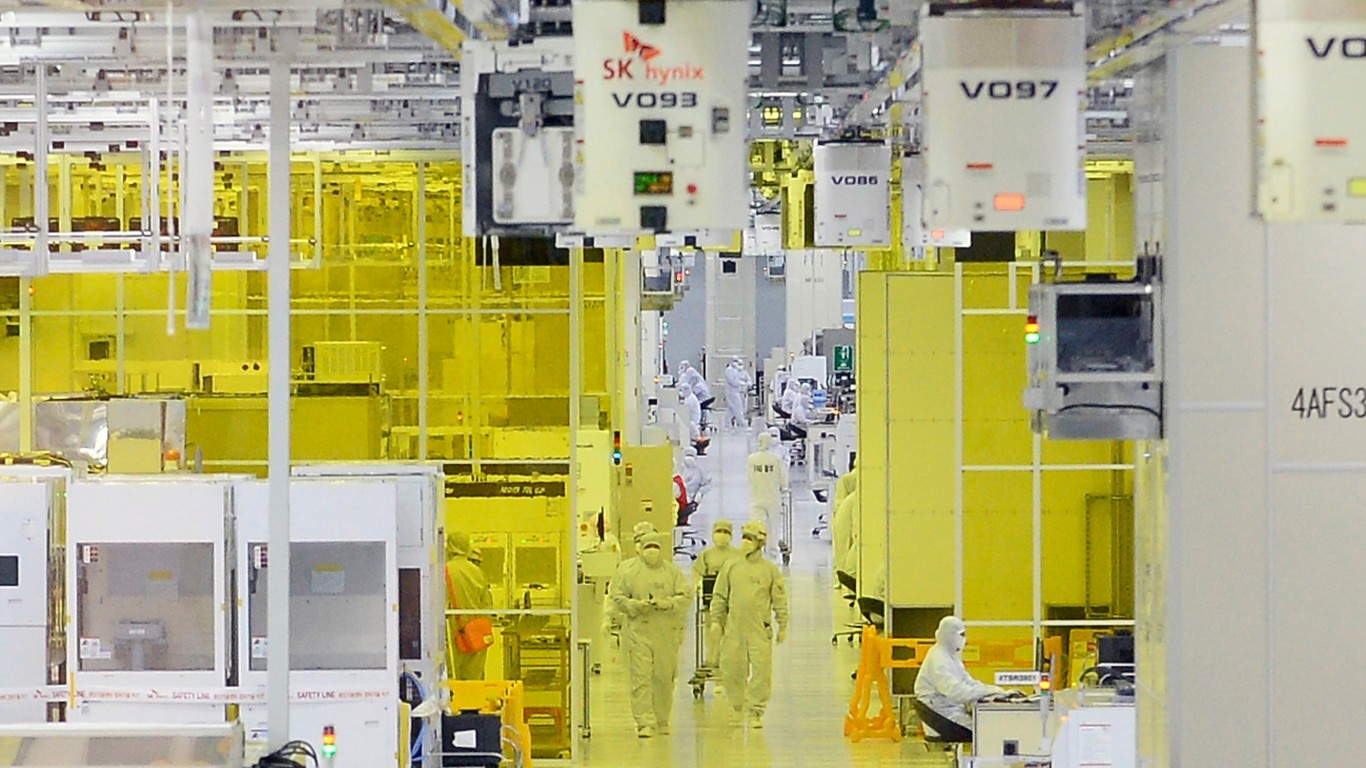
The DUV point matters. ASML plans to ship about 130 immersion DUV systems this year and expand that capacity 30% for 2027. Investors obsess over EUV export limits to China while overlooking that immersion DUV is also an ASML near-monopoly, and demand for mainstream nodes keeps China at roughly 20% of full-year sales.
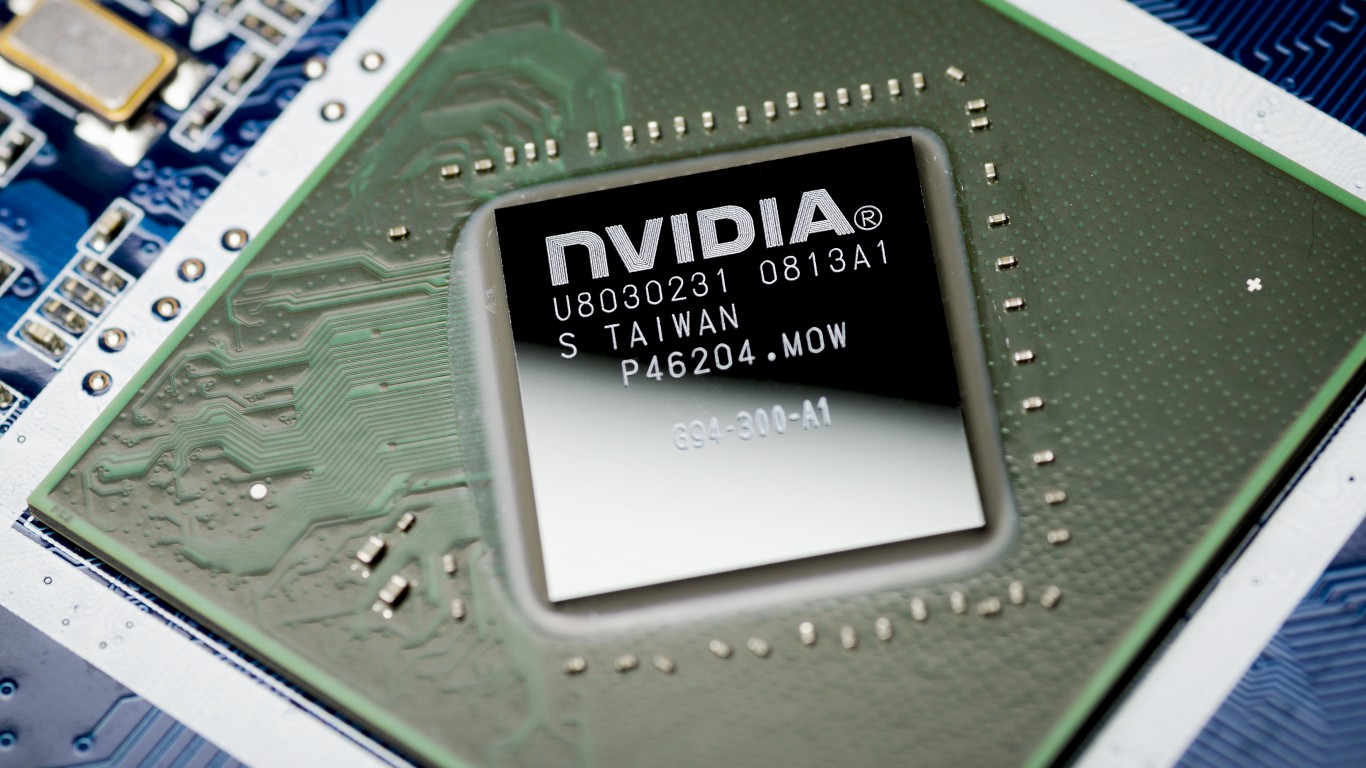
TSMC’s overlooked lever is CoWoS. Every Nvidia and AMD AI accelerator flows through advanced packaging that only TSMC scales. Wei bluntly rejected extreme pricing: “We don’t suddenly increase our price by, which I like to have, 4X or 5X.” That reflects pricing restraint.
What I Want to See From Here
ASML guided Q3 revenue to €11.0 to €12.0B and raised FY2026 to €43 to €45B. TSMC guided Q3 to $44.6 to $45.8B but flagged 3 to 4 points of margin dilution from the 2nm ramp. I want proof ASML can convert its 2028 investigation into firm orders, and evidence TSMC’s packaging expansion actually closes the gap Wei described as “a very big gap.”
Why I Lean ASML for Scarcity, TSMC for Scale
For investors researching AI infrastructure exposure, both names warrant attention for different reasons. ASML is the purer scarcity story. One supplier, no substitute, and a forward P/E near 28 that assumes the multi-year visibility is real. After a 9.82% one-week drop, the entry price looks less punishing. TSMC, at a forward P/E near 20, is the operating leverage bet (we profiled seven suppliers powering the AI buildout beyond the chipmakers themselves in a free report). I own the framing that these stocks are misread. If margins compress at TSMC through year-end, that is the key data point to watch. If ASML’s 2028 capacity fills, that would validate the multi-year visibility thesis.
Contact [email protected] for any questions or corrections.
Alex Sirois is a financial writer with experience spanning both retail and institutional investing. He has written for InvestorPlace and held roles at BNY Mellon and Bernstein, giving him a perspective that bridges Main Street portfolios and Wall Street analysis.
Alex holds an MBA from George Washington University and has built his career across multiple industries, including e-commerce, education, and translation — a breadth of experience that informs how he breaks down complex financial topics for everyday investors. His writing is conversational, actionable, and grounded in long-term, buy-and-hold investing principles.
At 247 Wall St., Alex focuses on delivering analysis that is both accessible and useful, with a clear emphasis on helping readers make more informed decisions with their money.