‘Unique Opportunity’: Analyst Says Industrial Giant Wins ‘Lion’s Share’ of AI Chip Contracts at a ‘Mundane Defensive Valuation’
A CNBC analyst says the world's largest industrial gas supplier is already locking up the contracts that will define the AI chip buildout, yet the stock is priced like a utility. Here is why that gap may not last.

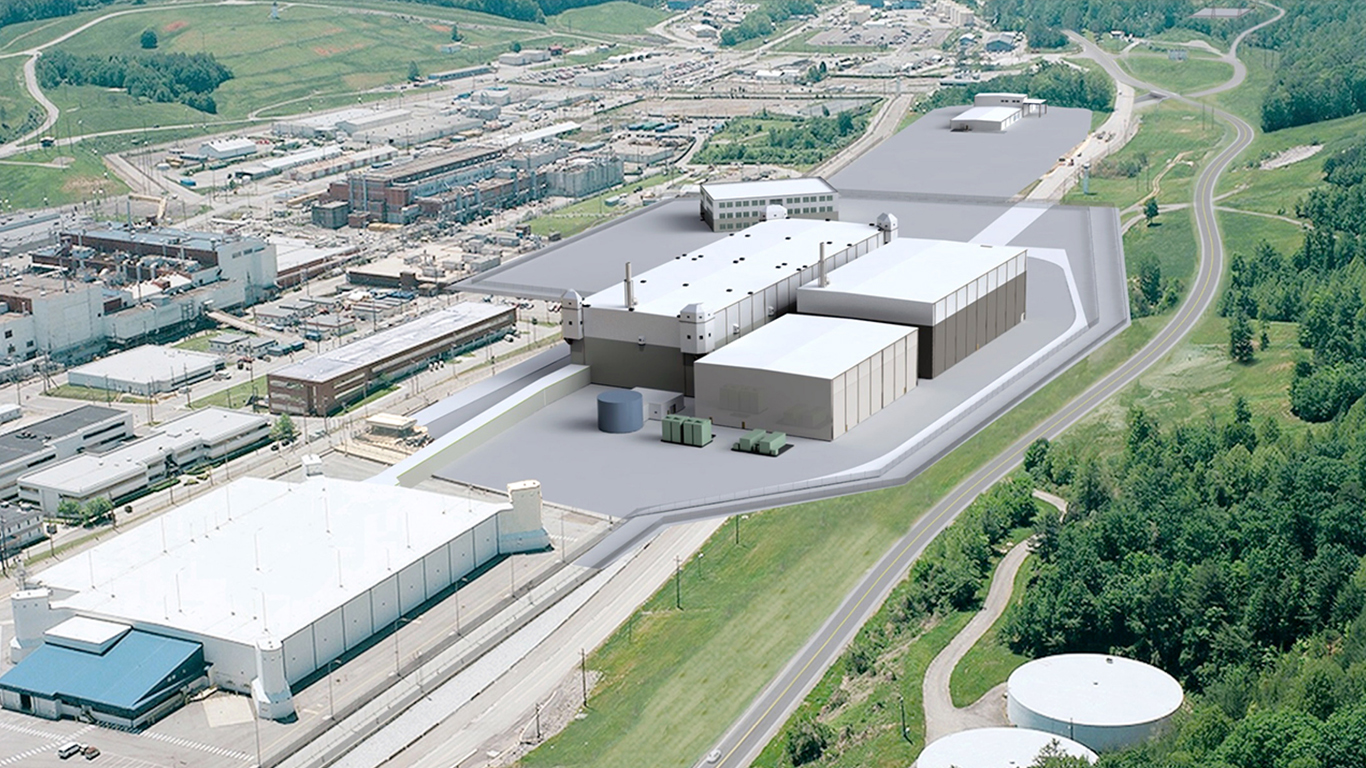
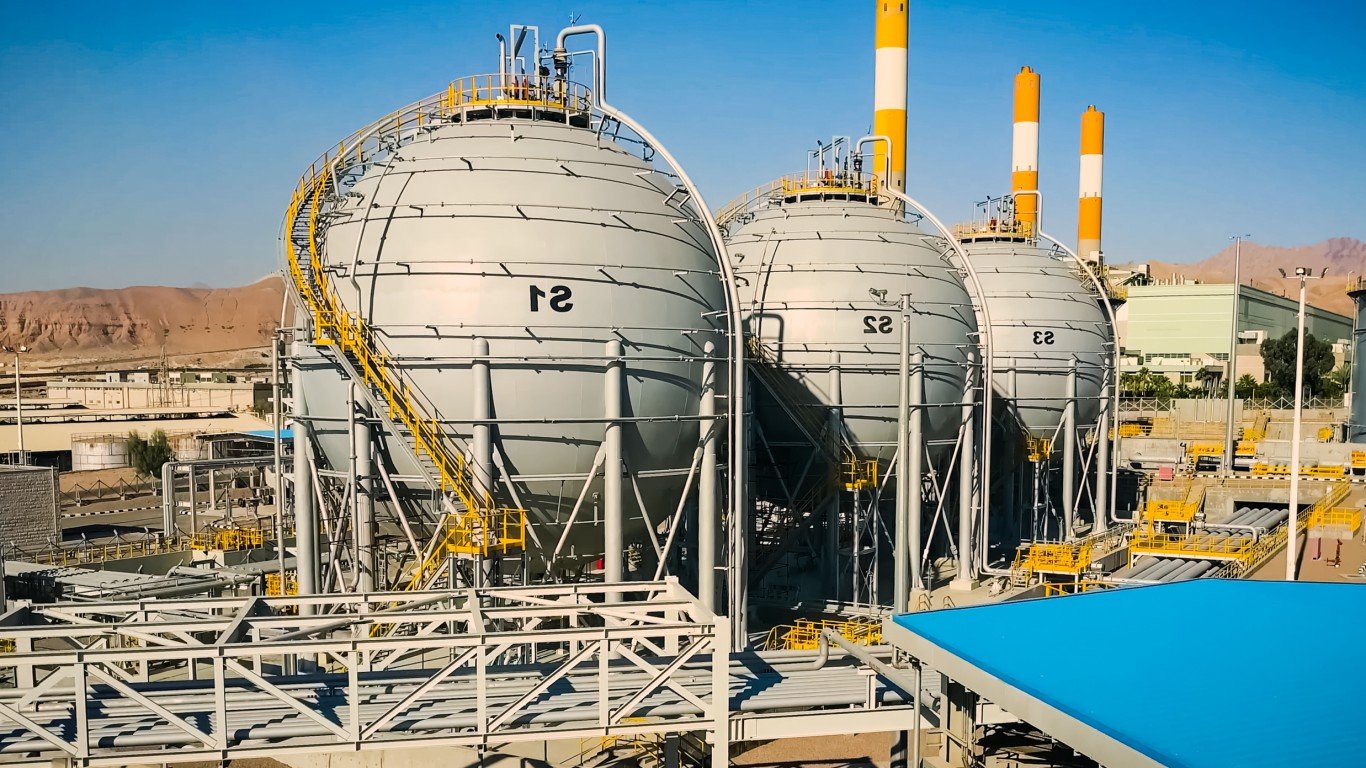
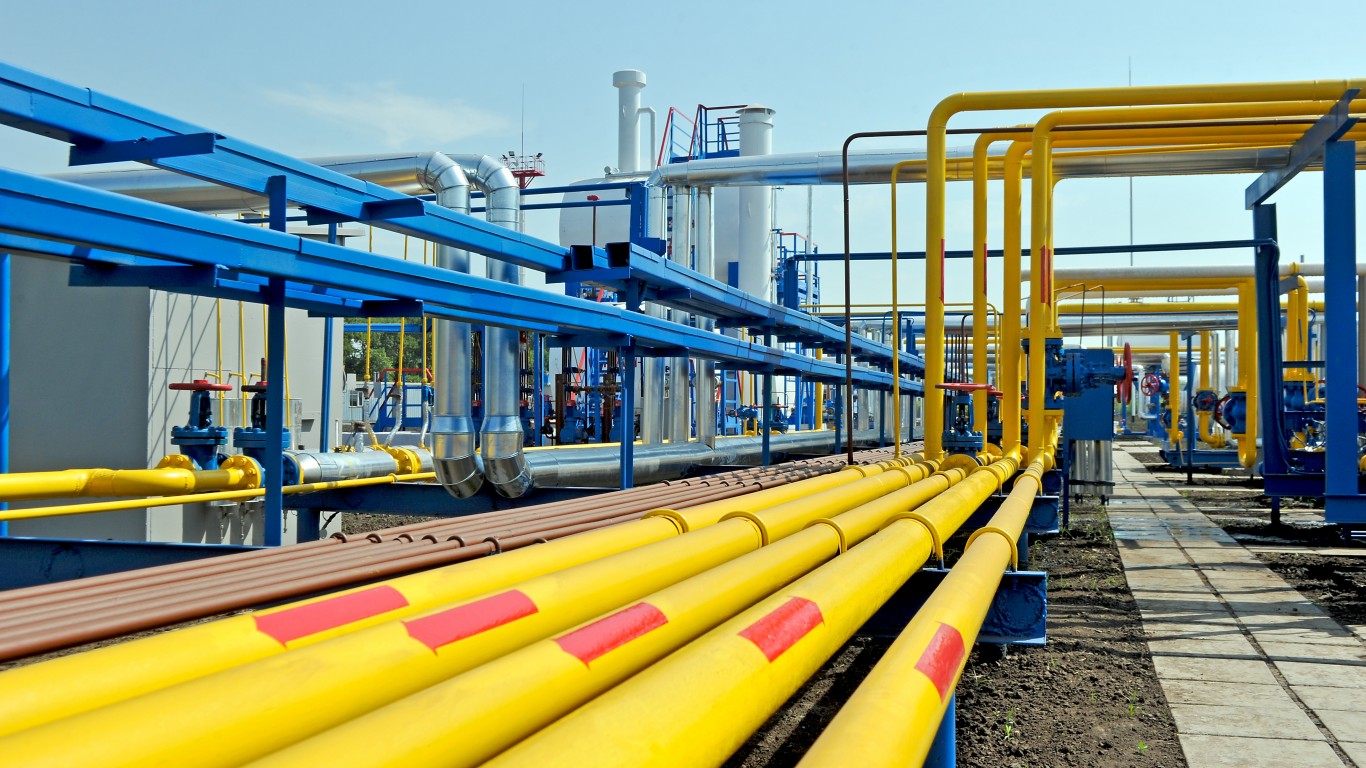
A CNBC analyst just anointed the world’s largest industrial gas supplier as the quiet gatekeeper of the AI chip buildout, and the market has largely shrugged. Harvey Stober, CNBC senior equity analyst, called Linde (NASDAQ:LIN | LIN Price Prediction) “a primary gatekeeper of the AI revolution” and said it is “already winning the lion’s share of new AI mega fab contracts.” His framing: multi-decade take-or-pay contracts, roughly 30% operating margins, and a stock trading at what he described as a “mundane defensive valuation.”
Why the “Lion’s Share” Claim Holds Up
Linde’s numbers back the thesis. The sale-of-gas backlog hit a record $8.10 billion after another long-term U.S. electronics supply contract closed in Q2 2026, with total project backlog reaching $11.00 billion. On the July 31 call, CEO Sanjiv Lamba described electronics as the company’s “fastest-growing end market,” adding $1 billion of new electronics wins tied to advanced-node fabs in the Western U.S. Electronics grew 18% year over year in the quarter.

Profitability is the moat. Q2 revenue was $9.289 billion, up 9.35% YoY, with operating margin of 29.5% and return on capital of 23.5%. Management guided full-year adjusted EPS to $17.70 to $17.90. Stober noted cash flow from operations exceeded $10 billion in 2025 and the stock traded at less than 27 times trailing non-GAAP EPS in early September.
Mundane Price Action for a Marquee Story
Shares are around $465.29, up 10.2% year to date but down 1.08% over the past year. Director Paula Rosput Reynolds picked up 100 shares at $479.115 on August 18, 2026, currently underwater.
Smaller Rival Winning the Market’s Affection
Air Products (NYSE:APD) is chasing the same fabs and taking the market’s affection. CEO Eduardo Menezes told analysts electronics is in a “super cycle,” with close to two-thirds of the opportunity pipeline weighted to electronics. Yet Q3 fiscal 2026 also carried a $2.90 billion pre-tax charge from exiting the Louisiana and Casa Grande clean-energy projects, producing a GAAP loss per share of $6.47. Even so, APD is up 20.3% year to date, roughly double Linde’s move.

APD exposure also sits inside diversified vehicles like the American Beacon Large Cap Value Fund (NASDAQ:AADEX), which held $23.23 million of Air Products, or 0.77% of net assets, as of April 30, 2026.
What to Watch Next
The tension is clean: Linde is the more profitable operator with the bigger backlog and a record $8.1 billion sale-of-gas backlog, while APD’s stock is being paid up for the same AI thematic despite trailing losses. The gas suppliers are one slice of a much bigger picture (we profiled seven companies powering the AI buildout, from power to cooling, in a free report you can grab here). Keep an eye on the Q3 report in October, where Lamba flagged $1.3 billion in project startups and additional margin actions.
Contact [email protected] for any questions or corrections.
AJ spent 10 years writing about financial markets at The Motley Fool. His coverage centers on technology stocks and the broader macroeconomic trends, from interest rates to geopolitics, that shape where markets are headed next. AJ is drawn to the stories where big-picture economics and individual companies collide.