PepsiCo Falls 3% While Consumer Staples Hold Firm; Keurig Dr. Pepper Eases, Coca-Cola Barely Budges
PepsiCo is sliding hard on Friday while Coca-Cola sits nearly flat and the broader consumer staples sector barely flinches, and that split raises a pointed question about what exactly the market is punishing.

This post may contain links from our sponsors and affiliates, and Flywheel Publishing may receive compensation for actions taken through them.
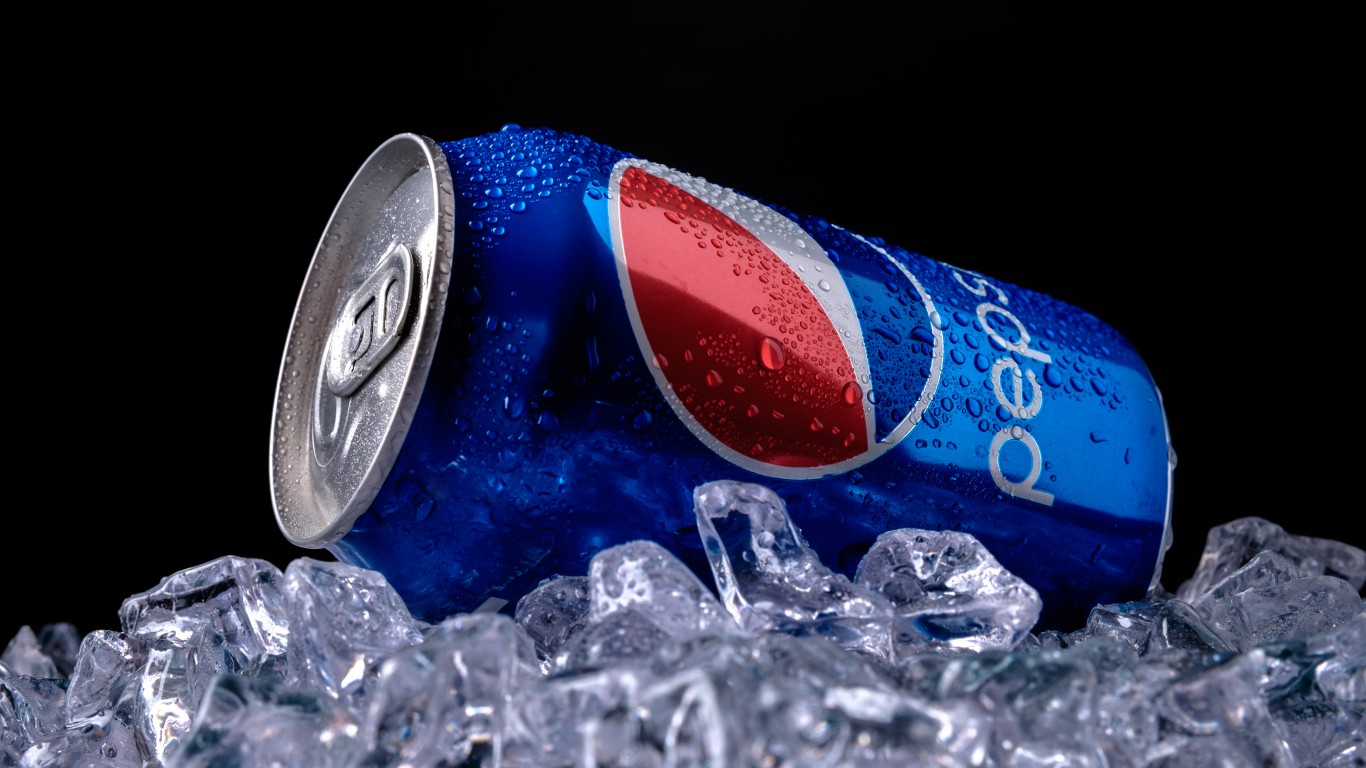
Shares of PepsiCo (NASDAQ:PEP | PEP Price Prediction) are trading lower in isolation on Friday, with the rest of consumer staples barely moving around them. That split matters because a defensive stock losing ground while its peer group holds steady is a name-level story, not a rotation out of the sector. This setup makes today’s PepsiCo stock session unusual rather than routine, and worth breaking down on its own terms.
The Consumer Staples Select Sector SPDR ETF (NYSEARCA:XLP) is down 0.55% at midday, a small drift rather than a meaningful sector break. Meanwhile, the SPDR S&P 500 ETF Trust (NYSEARCA:SPY) is down 0.17%, so the broad market is soft but not sinking, and neither fund is telling a story that would explain a hard drop in a single defensive name.
PepsiCo stock is at $130.11, down 3% in Friday morning trading. On a year to date (YTD) basis, PepsiCo shares are down 7%, and that YTD number is the piece of context that makes today’s move sting for holders who own the stock for stability. A defensive holding that keeps drifting lower is doing the opposite of what its role in a portfolio calls for.

Beverage Peers Barely Budge
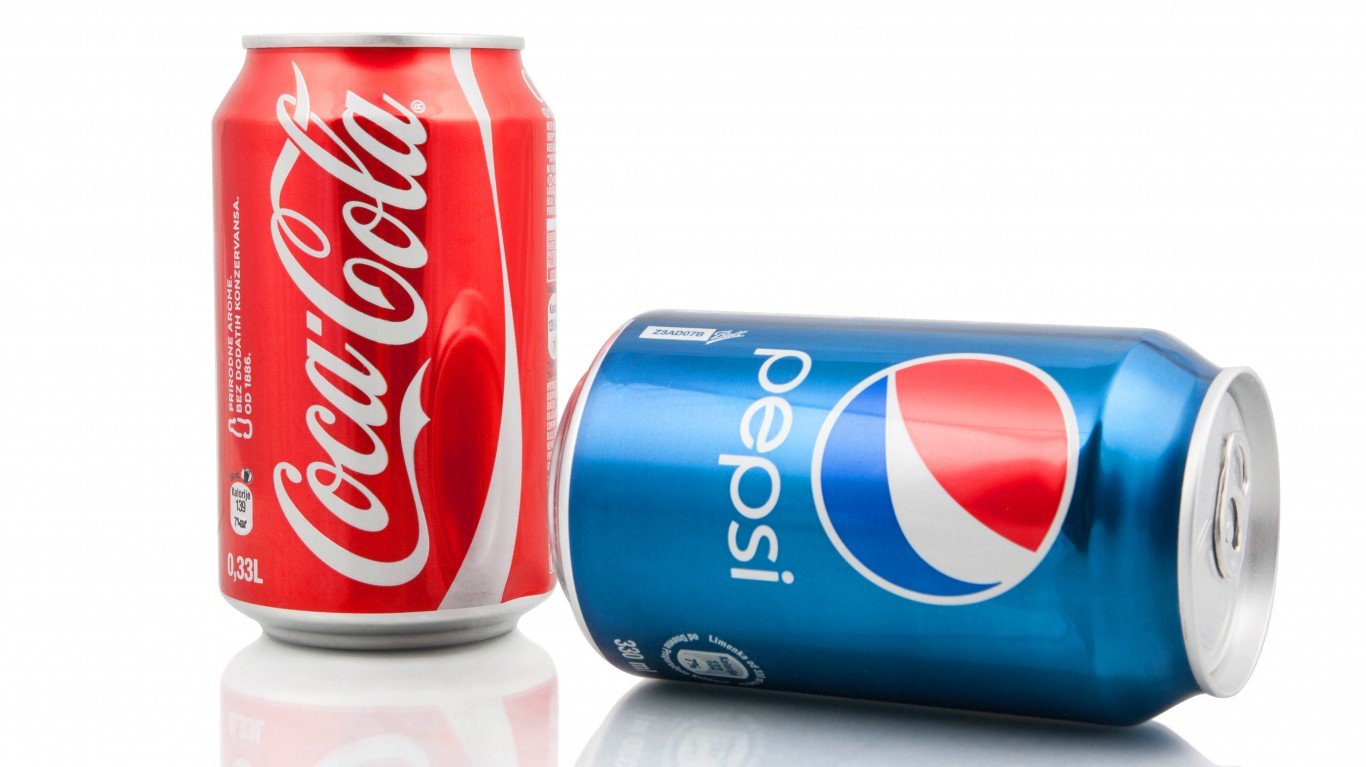
Coca-Cola (NYSE:KO) stock is at $87.79, down 0.31%, effectively unchanged while PepsiCo falls several times harder. Coca-Cola’s business sits in the same aisle as PepsiCo, serves overlapping customers and belongs to the same defensive sector, but its shares look nothing like PepsiCo’s today. The divergence is the clearest evidence that the selling is aimed at PepsiCo rather than at beverages broadly.
Keurig Dr Pepper (NASDAQ:KDP) stock is at $30.84, down 2%, a softer slide that still trails PepsiCo’s decline. That move sits closer to the sector fund than to the anchor stock, which reinforces the reading that beverage buyers aren’t pulling capital out of the whole category. If this were a category call, Keurig Dr Pepper and Coca-Cola would be dropping alongside PepsiCo, and they clearly are not.
Weighting inside the sector fund reinforces the split. Coca-Cola is a larger position in the Consumer Staples Select Sector SPDR ETF than PepsiCo, so a flat move in Coca-Cola does more to steady the fund than PepsiCo’s decline does to drag it lower. The mechanical detail is another reason the sector barely reacts even as PepsiCo trades meaningfully weaker on the day.
PepsiCo Stock Carries Its Own Loss
No PepsiCo announcement dated Friday explains the selling. There’s no scheduled earnings release from PepsiCo today, no guidance change on the wire, and no new corporate action that would flip sentiment during the session. The move is happening in a quiet news window for the company.
That absence shapes how to read PepsiCo today. When a stock drops while its own sector fund holds within a fraction of a percent and its closest beverage peer barely ticks lower, the accurate description is single-name selling without an identified trigger.
The concentration of the move argues against a defensive-sector unwind for PepsiCo. If the market were pulling out of staples broadly, the Consumer Staples Select Sector SPDR ETF would be down more than 0.55% and Coca-Cola would not be sitting almost flat. PepsiCo is carrying the loss on its own, and the shape of today’s trading doesn’t fit a macro or rate-driven rotation narrative.
What to Watch Next
PepsiCo shares are already down 7% YTD, so today’s slide deepens a trend rather than starting one. That’s the harder question for a defensive holding: a staples name is supposed to hold its ground when the wider market drifts, and PepsiCo isn’t doing that on Friday. The stock keeps losing the argument that justifies owning it as a low-volatility anchor in a portfolio.
Investors sizing their PepsiCo exposure can watch for whether the stock stabilizes above recent lows, or whether the selling extends and drags the shares to a fresh leg down. Traders could look for signs that the weakness spreads to Keurig Dr Pepper or Coca-Cola before treating this as anything other than a PepsiCo-specific event.
Given the lack of a dated catalyst, holders of PepsiCo stock may want to keep their position sizes modest and their risk defined until a company update or a peer-group release clarifies what’s pressuring the stock. Adding aggressively into a decline in a defensive name rarely rewards patience, and the case for waiting is stronger when the XLP ETF isn’t accounting for PEP stock’s move lower.
Contact [email protected] for any questions or corrections.
David Moadel is financial writer specializing in stocks, ETFs, options, precious metals, and Bitcoin. David has written well over 1,000 articles for leading online publications, helping investors understand markets, income strategies, and risk.His work has appeared in The Motley Fool, InvestorPlace, U.S. News & World Report, TipRanks, ValueWalk, Benzinga, Market Realist, TalkMarkets, Finmasters, 24/7 Wall St., and others.With a master’s degree in education, David has taught at the elementary, high school, and college levels. That teaching background shapes his writing style: clear, educational, and practical. David has also built a loyal social-media audience by providing trustworthy financial content on YouTube, X/Twitter, and StockTwits.