Jim Cramer Says Don’t Trade These 2 Stocks. Just Own Them
Apple and NVIDIA keep trading the title of world's most valuable company back and forth, and Jim Cramer has a specific framework for handling both stocks that most investors ignore during the sharpest selloffs.

This post may contain links from our sponsors and affiliates, and Flywheel Publishing may receive compensation for actions taken through them.

Jim Cramer has spent years making a distinction between stocks meant to be traded around short-term swings and companies he believes investors should simply own through them. Apple was one of the names that helped shape that philosophy. NVIDIA eventually joined it.
That does not mean either stock goes straight up, and it certainly does not make valuation irrelevant. What makes the pairing interesting in 2026 is that two very different businesses have ended up competing for the same title: the most valuable publicly traded company in the world. Here is what sits behind Cramer’s “own it, don’t trade it” argument for both.
Cramer’s Rule Is About Surviving the Swings

Cramer has repeatedly described both Apple and NVIDIA as “own it, don’t trade it” stocks. The basic argument is not that investors should ignore fundamentals or valuation. It is that trying to jump in and out of a high-quality long-term winner every time the stock drops can mean missing the recovery that follows.
Apple was the earlier example. In 2026, Cramer has continued using the same framework for NVIDIA, even during sharp selloffs. His point is that conviction in the underlying business matters more than trying to perfectly time every pullback.
Apple and NVIDIA Keep Trading the Market-Cap Crown

The two companies have spent 2026 jockeying near the top of the global market-cap rankings. Apple overtook NVIDIA earlier in July and briefly crossed a $5 trillion valuation for the first time on July 28.
The order has since flipped again. At the September 18 close, NVIDIA was worth roughly $5.37 trillion, compared with about $4.90 trillion for Apple. That lead can change quickly when companies this large move even a few percentage points, so the more useful comparison is what is driving those valuations in the first place.
NVIDIA Has Become the Infrastructure Play Behind AI
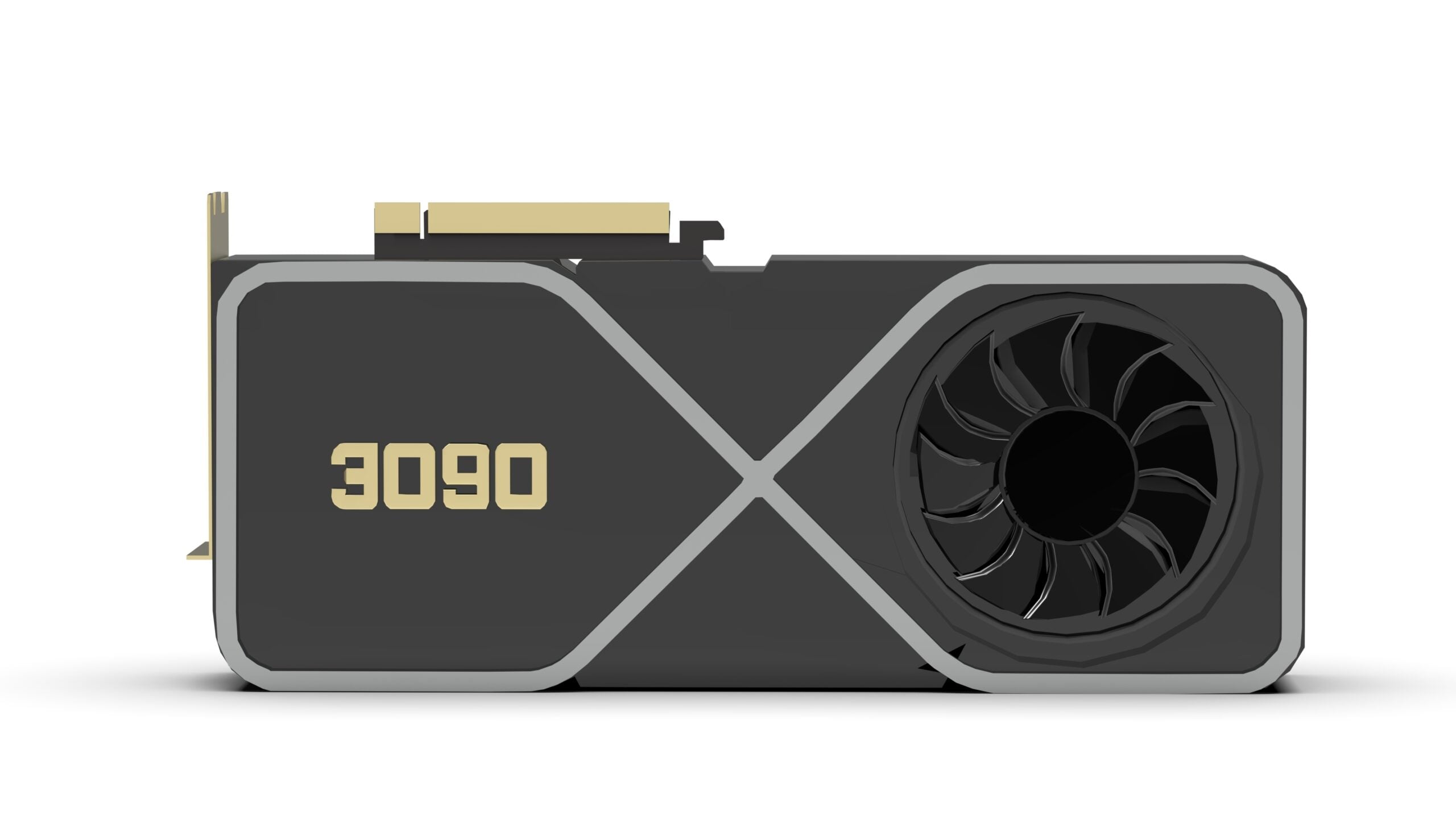
NVIDIA (NASDAQ:NVDA | NVDA Price Prediction) has moved far beyond its roots as a graphics-chip company. Its modern growth story is overwhelmingly tied to accelerated computing, artificial intelligence, networking, and the enormous data centers NVIDIA describes as AI factories.
The scale is what makes the company unusual. NVIDIA is not just selling individual chips. It increasingly sells complete computing systems, networking technology, software, and an ecosystem built around its CUDA platform.
NVIDIA’s Latest Quarter Was Much Bigger Than the Draft Suggested

NVIDIA’s latest reported quarter is Q2 of fiscal 2027, not Q1. Revenue reached $96.221 billion for the quarter ended July 26, 2026, up 106% from the same period a year earlier and 18% sequentially.
GAAP diluted earnings per share reached $2.46, while non-GAAP EPS came in at $2.22. Both GAAP and non-GAAP gross margin were 75.0%.
For comparison, NVIDIA had reported $81.615 billion in Q1 fiscal 2027 revenue. The company added roughly $14.6 billion of quarterly revenue in just one quarter.
Data Center Is Still Doing Most of the Heavy Lifting
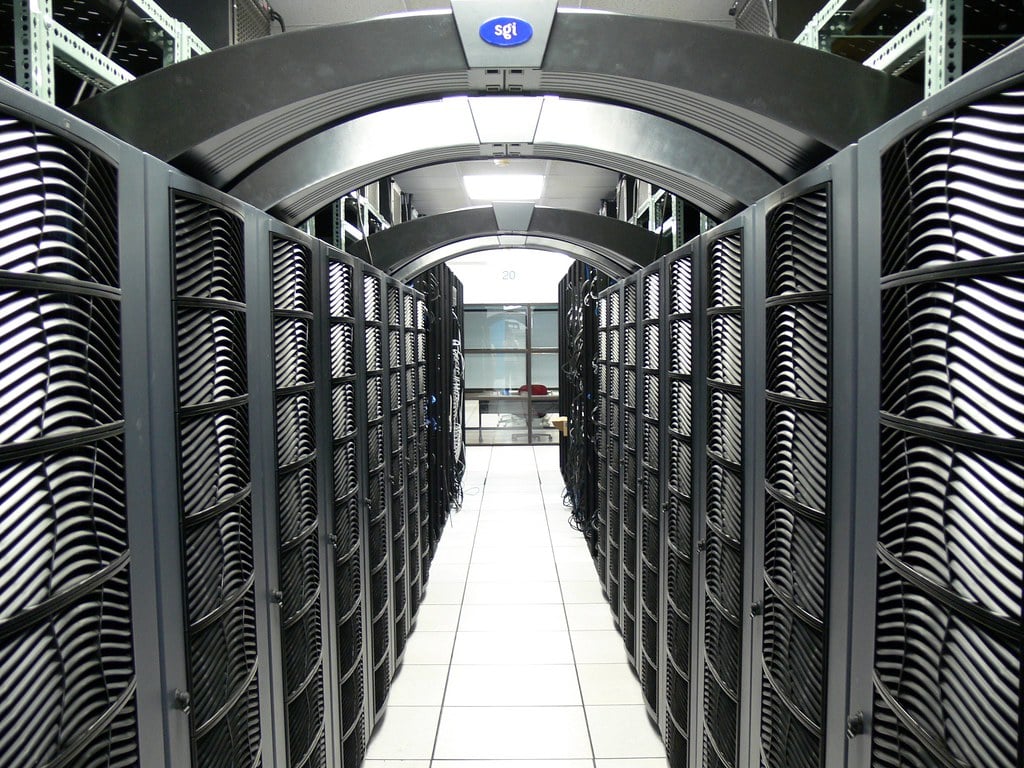
NVIDIA’s Data Center business generated $89.0 billion in Q2 fiscal 2027, up 117% from a year earlier and 18% from the previous quarter. That means Data Center accounted for more than 92% of total company revenue during the quarter.
The growth was driven by Blackwell Ultra infrastructure and demand from hyperscalers, AI-native companies, enterprises, sovereign customers, and cloud providers. It also builds on the $75.246 billion in Data Center revenue NVIDIA reported just one quarter earlier.
Blackwell remains the company’s primary shipping architecture, while NVIDIA said its next-generation Vera Rubin systems began production shipments during the third quarter of fiscal 2027.
NVIDIA Is Returning Serious Money to Shareholders

NVIDIA’s board approved an additional $80 billion in share-repurchase authorization on May 18, 2026. By the end of Q2, approximately $99.3 billion remained available under its repurchase program.
The company repurchased $19.7 billion of stock during Q2 alone. It also increased its quarterly dividend from $0.01 to $0.25 per share in May. Altogether, NVIDIA said it returned approximately $26 billion to shareholders through repurchases and dividends during the quarter.
That capital return does not drive the AI story, but it does show just how much cash the business is producing even while NVIDIA continues committing enormous sums to future supply and infrastructure.
NVIDIA’s $279 Billion Supply Bet Cuts Both Ways

One number in the original thesis has changed dramatically. NVIDIA’s supply and capacity commitments stood at $119 billion after Q1. By July 26, they had surged to $279 billion, primarily tied to memory and manufacturing capacity needed for current and future data-center systems.
Total future commitments across supply, cloud-service agreements, data-center leases, equity investments, and capital expenditures reached $366 billion.
That is evidence of how aggressively NVIDIA is preparing for future demand, but it should not be confused with a $279 billion customer backlog. These are NVIDIA’s own commitments to suppliers and infrastructure. If AI demand slows, deployment gets delayed, or customers cannot secure enough power and data-center capacity, those commitments can become a financial risk rather than simply a sign of strength.
NVIDIA Is Guiding for Another Record Quarter

NVIDIA expects Q3 fiscal 2027 revenue of approximately $108 billion, plus or minus 2%. The company expects both GAAP and non-GAAP gross margin of about 74%, plus or minus half a percentage point.
One detail matters in that guidance: NVIDIA said it is assuming no Data Center compute revenue from China. That leaves China as potential upside if conditions change, but it also underscores how export restrictions remain a real variable in the company’s growth story.
Apple Is the Original “Own It, Don’t Trade It” Example

Apple (NASDAQ:AAPL) is a very different business from NVIDIA. Its strength comes from a huge consumer-device ecosystem, recurring Services revenue, enormous cash generation, and an installed base that keeps customers inside the company’s hardware and software universe.
That durability is why Apple became the template Cramer later applied to NVIDIA. The stock can go through ugly stretches, but his argument has been that selling a best-in-class company during temporary weakness can be more damaging than simply riding through it.
Apple’s Latest Quarter Set Another Revenue Record
Apple’s latest reported quarter is Q3 fiscal 2026, which ended June 27. Revenue reached $109.417 billion, up 16% from $94.036 billion a year earlier.
Diluted earnings per share reached $2.02, up 29% year over year. Apple also posted a 50.1% companywide gross margin, although the company noted that tariff refunds provided a favorable impact of roughly two percentage points during the quarter.
The quarter set June-quarter records for total company revenue and EPS, giving Apple another strong result even as investors continue debating how quickly the company can turn its AI strategy into another major growth engine.
iPhone and Services Remain the Core of Apple’s Machine

iPhone revenue reached $54.252 billion in Q3, up 22% year over year and setting a June-quarter record. Services revenue climbed 12% to $30.739 billion, also setting a June-quarter record.
Mac revenue rose 29% to $10.352 billion. Wearables, Home and Accessories increased 6% to $7.883 billion, while iPad revenue slipped 6% to $6.191 billion.
Apple also said its installed base of active devices reached another all-time high across every major product category and geographic segment. The company did not provide a new precise device count in its Q3 earnings release, so the more defensible takeaway is that the installed base is still expanding rather than attaching an outdated number to it.
Apple’s Capital-Return Machine Is Still Running

Apple’s board authorized another $100 billion share-repurchase program on April 30, 2026. The company also raised its quarterly dividend 4%, from $0.26 to $0.27 per share.
As of June 27, Apple still had approximately $138 billion available across its existing repurchase authorizations. That gives the company enormous flexibility to continue shrinking its share count while also funding dividends, research, product development, and acquisitions.
What Could Break the NVIDIA Thesis?
The obvious risk is that investors are paying for extraordinary growth to continue. NVIDIA is exposed to the pace of AI capital spending, export controls, custom silicon from large cloud companies, competition from AMD and other chipmakers, and the physical limitations of building enough data centers, electrical infrastructure, and power generation to deploy all that computing capacity.
NVIDIA itself warns that customers could postpone new systems because infrastructure is not ready, capital is unavailable, or new architectures are adopted more slowly than expected. The company is also committing enormous sums to future supply before every dollar of future demand is guaranteed.
That does not invalidate the growth story. It is simply why “own it, don’t trade it” should not be mistaken for “nothing can go wrong.”
What Could Break the Apple Thesis?

Apple faces a different set of risks. Its iPhone business is enormous, which means maintaining double-digit growth gets harder as the base gets larger. Services is increasingly important, but that business faces regulatory scrutiny around the App Store and platform rules in multiple markets.
Investors are also assigning Apple a premium valuation while waiting to see how successfully it turns artificial intelligence into another reason for customers to upgrade hardware and stay inside the ecosystem.
That makes execution around new products, AI features, Services growth, and the next iPhone cycle especially important. Apple’s existing ecosystem gives it an enormous base to work from, but a large installed base is not the same thing as guaranteed future growth.
What Investors Should Watch Next

For NVIDIA, the next test is whether the company can convert its enormous infrastructure commitments into another step higher in revenue while keeping gross margin near the mid-70% range. Management’s $108 billion Q3 revenue target gives investors a very high bar to measure against.
For Apple, the questions are more familiar: iPhone demand, Services growth, margins, capital return, and whether new AI and hardware features can produce another upgrade cycle across that massive installed base.
Cramer’s “own it, don’t trade it” framework ultimately rests on patience with companies whose businesses continue to execute even when their stocks temporarily do not. NVIDIA and Apple have both earned that label from him, but they are doing it through very different economic engines. The next few quarters will show whether those engines can keep producing results large enough to support valuations approaching, and at times exceeding, $5 trillion.
Contact [email protected] for any questions or corrections.