Warning Of A Big Sell Off
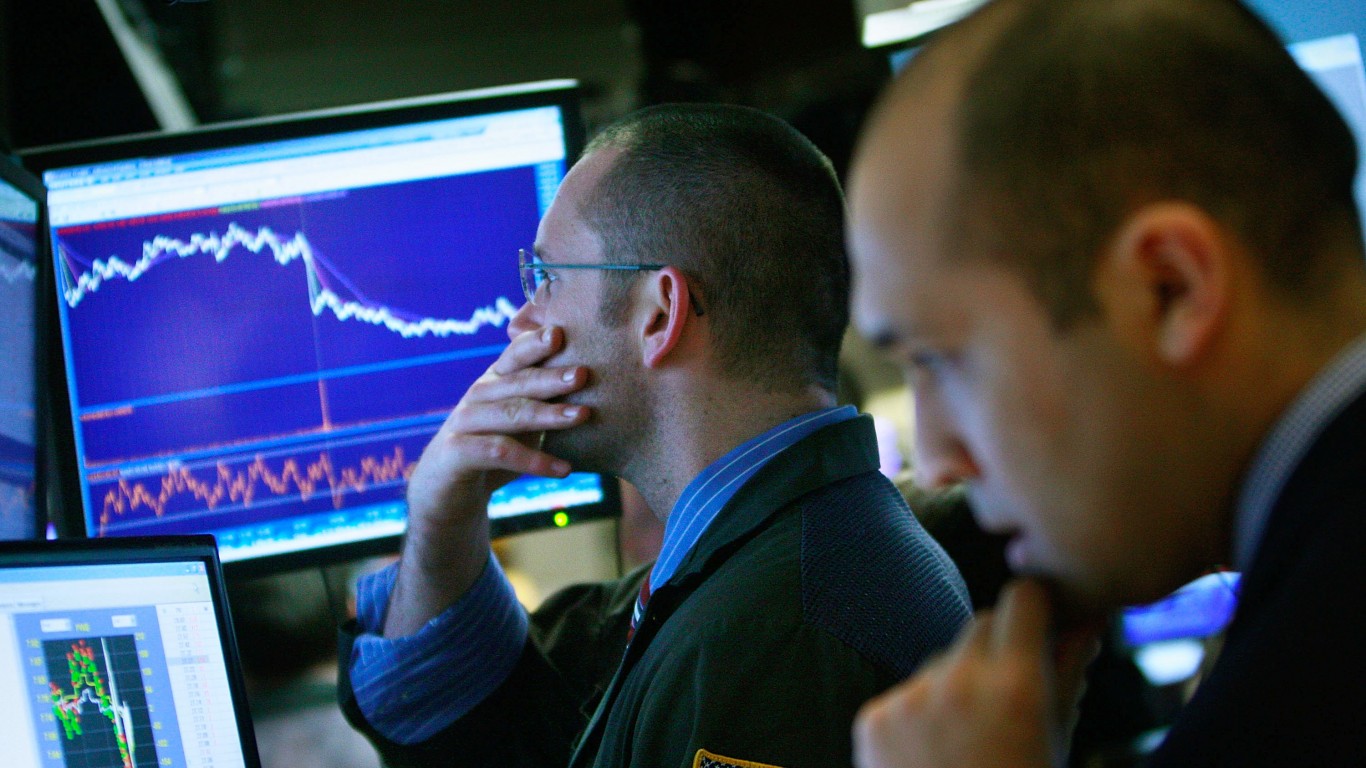
Morgan Stanley sees storm clouds gathering over the stock market, and the threats range from bond yields stealing investors away from equities to oil prices quietly strangling consumer spending. The next few months could test whether the bull market has…

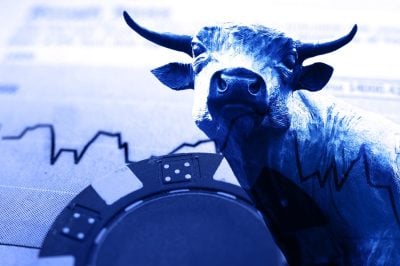
Morgan Stanley has warned that the market faces a 7% selloff. “Should the correction in valuation take a turn for the worse in the near term due to a further tightening of financial conditions and/or materially higher energy prices, we think the S&P 500 could trade as low as 7,100 before the bull market resumes into year end.”
The reasons for the selloff are fair enough. One is that as some bond yields hit 5%, they will be more attractive than stocks. It would not take much of a dent in worry about AI stocks, in particular, to cause investor anxiety.
Another, broader reason is that oil prices will continue to rise. This is not just a problem for America’s drivers, those who drive diesel-powered trucks, and those who use home heating oil. Petroleum is used across the manufacture of hundreds of products. Eventually, oil’s increase seeps through much of the economy. (One other factor is how long the oil shortage will last as the Middle East catastrophe continues.)
There have been selloffs before in the last year. Optimism, particularly about AI’s effects on the economy and tech earnings, has brought the market back. But AI is under siege for two reasons. The first is a less dramatic outcome than “killing mankind.” Short of that, it could seriously damage online security, the grid, or parts of the military. It would not have to be an apocalyptic event.
On the other hand, AI could become a troubled industry. Resistance to data systems or a cutback in corporate AI spending would make tech stocks, which have carried the market higher, vulnerable.
The fact is that there are nearly as many reasons for the market to drop as to rise, at least for the next several months. Oil prices could shoot up or drop fast. AI valuations only need one big hack to disrupt an entire industry.
A look at every angle probably puts inflation higher than an AI flameout. Even with lower support for data centers, as builders find locations, capital is available. And if AI has continued runaway demand, the public companies at the core of the expansion, and those that will become public soon, have unbelievable momentum. It is not the kind that disappears in a quarter.
Inflation, on the other hand, is persistent and already working its way through the system. The price of gas will cut into consumer spending and that will hit GDP. Diesel prices have already put more inflation into the system. Diesel supplies continue to fall. Seventy percent of American freight goes by truck.
If the market dives, blame a higher cost of living.
Contact [email protected] for any questions or corrections.
Douglas A. McIntyre is the co-founder, chief executive officer and editor in chief of 24/7 Wall St. and 24/7 Tempo. He has held these jobs since 2006.
McIntyre has written thousands of articles for 24/7 Wall St. He is an expert on corporate finance, the automotive industry, media companies and international finance. He has edited articles on national demographics, sports, personal income and travel.
His work has been quoted or mentioned in The New York Times, The Wall Street Journal, Los Angeles Times, The Washington Post, NBC News, Time, The New Yorker, HuffPost USA Today, Business Insider, Yahoo, AOL, MarketWatch, The Atlantic, Bloomberg, New York Post, Chicago Tribune, Forbes, The Guardian and many other major publications. McIntyre has been a guest on CNBC, the BBC and television and radio stations across the country.
A magna cum laude graduate of Harvard College, McIntyre also was president of The Harvard Advocate. Founded in 1866, the Advocate is the oldest college publication in the United States.
TheStreet.com, Comps.com and Edgar Online are some of the public companies for which McIntyre served on the board of directors. He was a Vicinity Corporation board member when the company was sold to Microsoft in 2002. He served on the audit committees of some of these companies.
McIntyre has been the CEO of FutureSource, a provider of trading terminals and news to commodities and futures traders. He was president of Switchboard, the online phone directory company. He served as chairman and CEO of On2 Technologies, the video compression company that provided video compression software for Adobe’s Flash. Google bought On2 in 2009.