Doordash Just Dropped 16% in a Month. Is It Time to Sell or Load Up?
A 16% slide in a month puts DoorDash stock in awkward territory, and the culprit is something far newer and more unsettling than a weak consumer or a rate scare. The case for buying the dip and the case for…


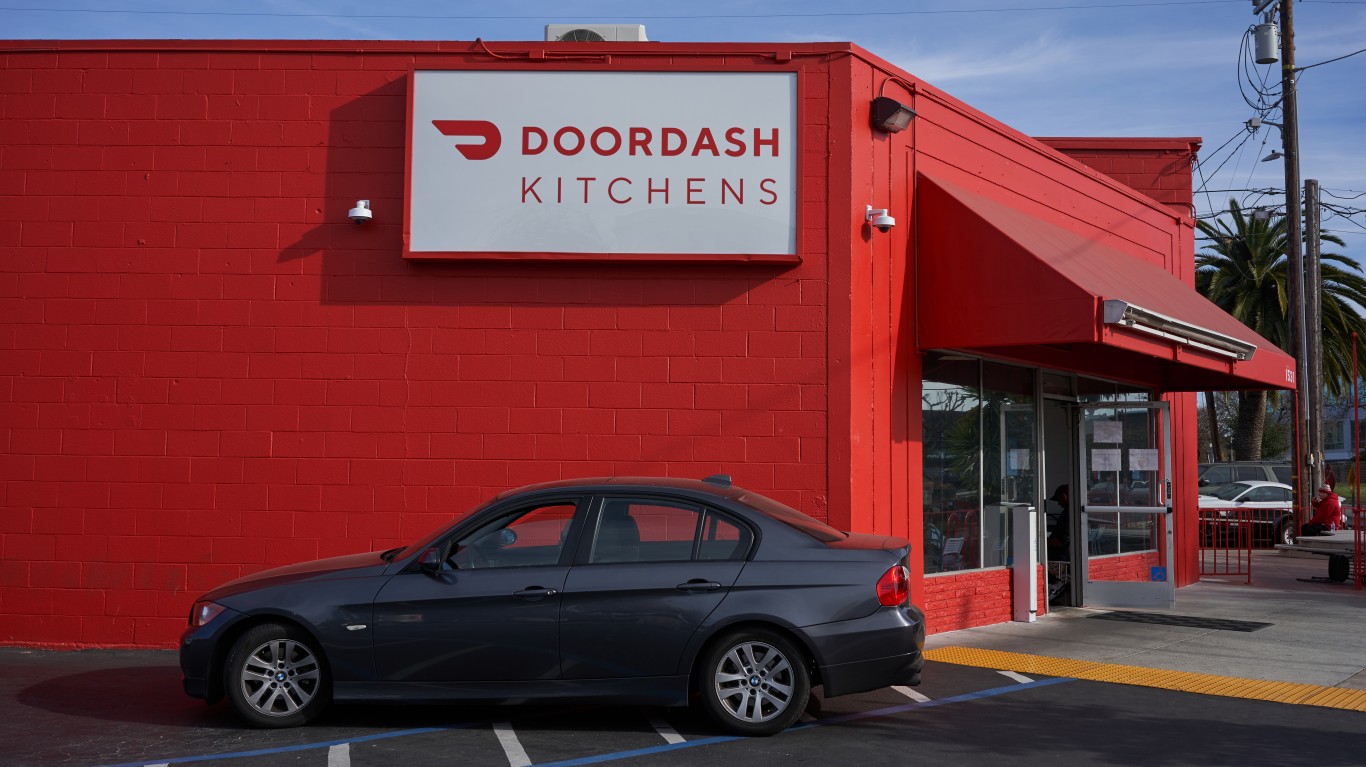
DoorDash (NASDAQ:DASH | DASH Price Prediction) stock has slid sharply over the past month, falling by several times what the broad consumer discretionary group has done while large-cap technology has climbed. The split matters because it rules out both a consumer spending scare and a wholesale exit from growth as the explanation for the DoorDash move.
The Consumer Discretionary Select Sector SPDR Fund (NYSEARCA:XLY) is down 6% over the past month. The Invesco QQQ Trust (NASDAQ:QQQ) is up 4% over the same stretch, so the two funds moved in opposite directions and DoorDash stock fell against both.
DoorDash stock is at $187.56, down 16% over the past month, and is down 2% in afternoon trading. Notably, Uber Technologies (NYSE:UBER) stock is at $69.50, down 12% over the past month, a smaller slide than DoorDash’s.

What Putting DoorDash Stock Under Pressure?
Two pressures sit behind the past month for DoorDash. The first is ordinary consumer discretionary weakness, which the sector fund’s own decline over the same stretch reflects and which reaches DoorDash along with every other name selling something optional. That factor alone doesn’t get anywhere close to the size of the drop in DoorDash shares.
The second pressure is newer and specific to marketplaces that sit between a customer and a supplier. Personal artificial intelligence (AI) agents that can place an order directly with a restaurant or retailer have arrived this month, and the concern they raise for DoorDash centers on who collects the fee for arranging the transaction.
No single dated company event has hit DoorDash this month, so the DoorDash stock slide reads as a repricing rather than a reaction to a specific release. Sector weakness supplies part of it and the AI disintermediation worry supplies the rest. Splitting the two precisely isn’t possible from the data on hand, and the size of the DoorDash share-price move relative to the sector suggests the newer worry is doing meaningful work.
How DoorDash Compares With Uber Technologies
Uber stock fell over the same month, though by less than DoorDash. Uber runs a delivery marketplace alongside a much larger mobility business, so the same disintermediation worry reaches only a share of what it does. DoorDash, by contrast, is the delivery marketplace, and there isn’t a rides business behind it to cushion the shock.

That difference in business mix is why the wider gig economy hasn’t sold off in unison. Uber stock is down, though the size of its move doesn’t imply the whole category is being written down. DoorDash is being repriced on its own, and the gap between the two moves is doing the pointing.
The question DoorDash has to answer for a buyer to justify the current multiple is which half of its operation is actually defensible against an AI ordering agent. A delivery fleet, a logistics network and the operations that route drivers to doorsteps are considerably harder for an agent to route around than an ordering screen. If most of the DoorDash value sits in the physical delivery layer, the disintermediation worry is smaller than the past-month drop suggests.
What to Watch Now
So, is it time to sell DoorDash stock? The bear case is that a marketplace collecting a fee for arranging a transaction is exactly the sort of business a personal AI agent can bypass, and the past-month move suggests some investors are already pricing that risk in. The bull case for DoorDash is that the physical delivery network still has to run whoever books the order, and DoorDash owns that layer at scale.
Neither side has been settled by anything DoorDash has said publicly this month, and the sector pressure that helped drag the DoorDash stock-price decline hasn’t lifted, either. Investors weighing DoorDash share ownership from here can watch for signs that the ordering-agent worry is turning into a revenue effect rather than staying a valuation debate.
For traders holding DoorDash, sizing their positions to reflect both the disintermediation risk and the sector overhang is the practical response. Trimming their exposure rather than exiting, or capping their DoorDash weighting at a level they’d be comfortable holding through another leg down, keeps their optionality open without betting the whole thesis either way.
Contact [email protected] for any questions or corrections.
David Moadel is financial writer specializing in stocks, ETFs, options, precious metals, and Bitcoin. David has written well over 1,000 articles for leading online publications, helping investors understand markets, income strategies, and risk.His work has appeared in The Motley Fool, InvestorPlace, U.S. News & World Report, TipRanks, ValueWalk, Benzinga, Market Realist, TalkMarkets, Finmasters, 24/7 Wall St., and others.With a master’s degree in education, David has taught at the elementary, high school, and college levels. That teaching background shapes his writing style: clear, educational, and practical. David has also built a loyal social-media audience by providing trustworthy financial content on YouTube, X/Twitter, and StockTwits.