10 States Retirees Should Consider Instead of Florida
Florida keeps topping retirement rankings, but a handful of states quietly beat it on health care, taxes, and quality of life in ways most retirees never consider before they start packing.


Florida is still one of the biggest names in retirement, and the latest data backs that up. WalletHub ranked Florida No. 2 among the 50 states in its January 2026 retirement study, behind only Wyoming. The Sunshine State still offers warm weather, extensive beaches, and no individual state income tax. But costs can vary sharply from one Florida city to another, and plenty of retirees have reasons to look elsewhere.
The places below offer different tradeoffs. Some score better for health care, some give retirees useful tax breaks, and others simply offer a different pace of life. Washington, D.C., is the one outlier because it is not a state and is not included in WalletHub’s 50-state ranking. This is not a claim that every place on the list outranks Florida overall. It is a look at 10 alternatives that deserve a serious look before you automatically point the moving truck south.
10. Pennsylvania

Pennsylvania lands eighth overall in WalletHub’s 2026 retirement ranking, including fifth for quality of life and 13th for health care. It also gives retirees a lot of geographic flexibility. You can stay close to Philadelphia and its suburbs, head toward the Pocono Mountains, or settle in one of the state’s many smaller communities without giving up access to major cities and medical systems.
Retirement Income Gets Favorable Treatment

Pennsylvania is not among the very cheapest states in WalletHub’s study, where it ranks 26th for affordability, but its tax treatment can be useful in retirement. Social Security benefits are not subject to Pennsylvania personal income tax, and qualifying distributions from eligible retirement plans are generally exempt once the state’s retirement requirements are met. That can make the tax picture friendlier than the headline cost-of-living numbers suggest.
9. Georgia

Georgia’s appeal is more about taxes, climate, and location than a dominant all-around retirement ranking. WalletHub places the state 29th overall for retirement in 2026, with a much stronger 16th-place showing for affordability but 40th-place rankings for both quality of life and health care. Still, retirees who want a warmer climate without moving all the way to Florida have plenty of choices, from the Atlanta area to Macon and smaller communities around the state.
A Better Tax Picture for Retirees

Georgia does not tax Social Security benefits. For 2026, qualifying residents ages 62 through 64 can exclude up to $35,000 of retirement income from Georgia income tax, while those 65 and older can exclude up to $65,000. Each spouse must qualify separately. Those breaks do not make Georgia a universal retirement winner, but they can make a meaningful difference for households living on Social Security, pensions, investment income, or a combination of the three.
8. Delaware

Delaware is one of the stronger entries here by the numbers. WalletHub ranks it seventh overall for retirement in 2026 and third for affordability. Health care comes in 15th, while quality of life ranks 36th, so there are tradeoffs. The state’s small size also means retirees can live within relatively easy reach of Wilmington, Philadelphia, the Delaware Bay, or the Atlantic coast depending on where they settle.
No Sales Tax and Useful Retirement Breaks

Delaware has no state or local sales tax, and Social Security and Railroad Retirement benefits are not subject to Delaware income tax. Residents age 60 and older can also exclude up to $12,500 of qualifying pension and retirement income. Homeowners 65 and older may qualify for a senior school-property-tax credit worth 50% of the tax, up to $500, although people who established Delaware residency in 2018 or later generally face a 10-year residency requirement. For beach lovers, Delaware’s sandy Atlantic shoreline runs about 24 miles and includes six incorporated coastal communities.
7. South Dakota

South Dakota ranks third overall in WalletHub’s 2026 retirement study, behind only Wyoming and Florida. Its health care ranking is especially strong at fourth in the country, while affordability comes in 15th. The obvious tradeoffs are geography and weather. South Dakota is landlocked, and winters can be a lot colder than anything a Florida retiree is used to. For people who can live with that, the financial side gets interesting quickly.
No State Income Tax

South Dakota does not impose an individual state income tax. That means the state does not separately tax Social Security benefits, pensions, or other retirement income through an individual income tax system. Retirees still have to account for other taxes and normal living expenses, of course, but eliminating a state income-tax bill is a real advantage. Sioux Falls and Rapid City are the state’s two largest cities, while smaller places such as Watertown and Spearfish offer a very different pace.
6. New Hampshire

New Hampshire ranks ninth overall in WalletHub’s 2026 retirement study and eighth for quality of life. Its health care ranking is 20th and affordability is 23rd, so it is more of a balanced option than a bargain-basement one. For retirees who want New England scenery, lakes, mountains, and smaller communities without giving up access to larger regional cities, the state has an obvious appeal.
No Individual Income Tax
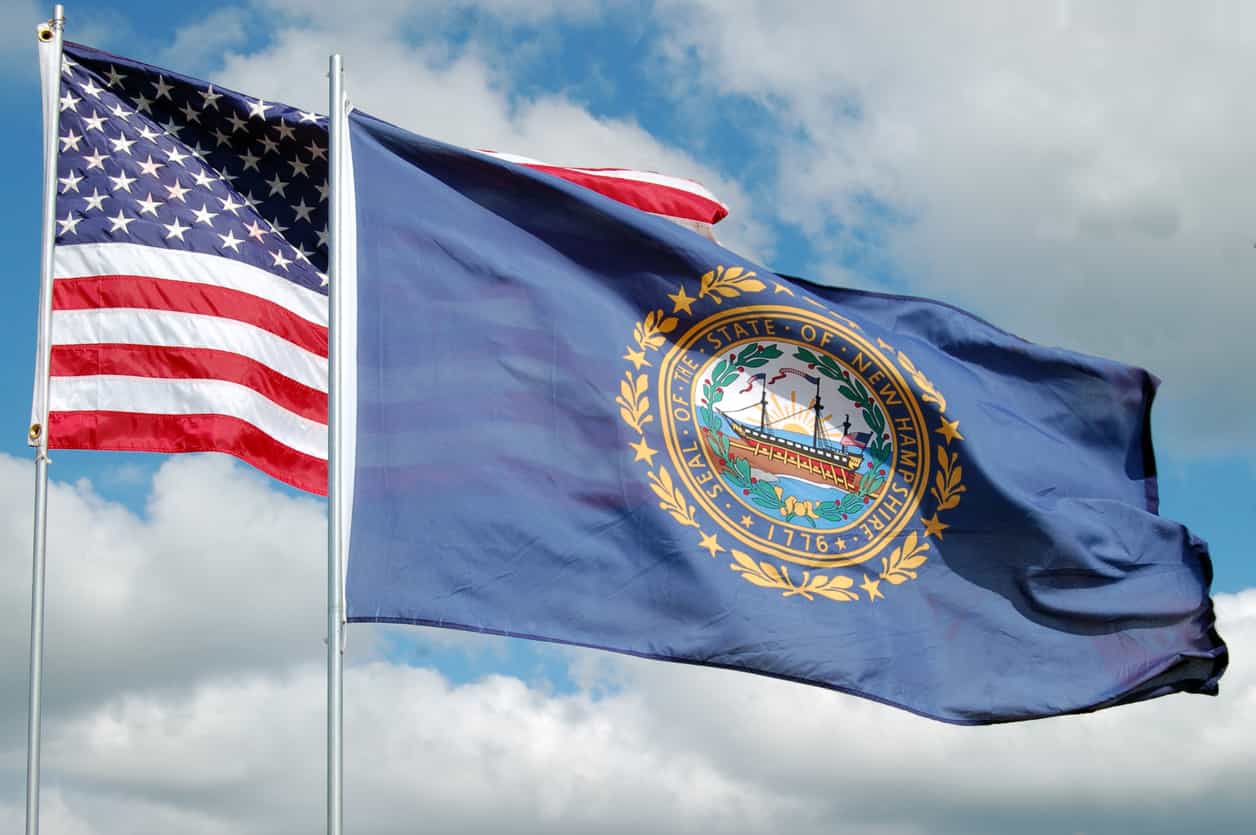
New Hampshire no longer imposes an individual state income tax. Its former tax on interest and dividend income was fully repealed for tax periods beginning on or after January 1, 2025. That is an important distinction for retirees with investment income. WalletHub also places New Hampshire second-lowest in the country for property-crime rates in the data used for its 2026 retirement study, adding another point in the state’s favor for people considering a move north.
5. Washington, D.C.

Washington, D.C., is the oddball on this list because it is a federal district, not a state, and WalletHub’s 2026 state retirement ranking does not include it. That does not make it irrelevant as a retirement destination. For people who care more about museums, restaurants, performances, and city life than chasing the lowest possible cost, the nation’s capital offers a combination that is difficult to duplicate.
Museums, Transit, and Plenty to Do

The Smithsonian alone gives retirees a lot to work with. The institution operates 20 museums and the National Zoo, and admission to all Smithsonian museums in Washington is free. Public transportation includes Metrorail and Metrobus service throughout the city and surrounding region. According to the latest Census Bureau QuickFacts data, 13.6% of D.C. residents are age 65 or older. It is a very different retirement proposition from Florida, but that is exactly the point.
4. North Carolina

North Carolina ranks 13th overall in WalletHub’s 2026 retirement study, but affordability is one of its real strengths at seventh in the country. Its quality-of-life ranking is 26th and health care comes in 37th, so the state is not equally strong in every category. What it does offer is variety, with major metros such as Charlotte and Raleigh, smaller towns, the Blue Ridge Mountains, and an Atlantic coast all inside the same state.
Mountains, Cities, and Coast

North Carolina does not tax Social Security benefits, and its individual income-tax rate is 3.99% for tax year 2026. Climate depends heavily on where you live. The mountains see real winter weather and snow, while the Piedmont and coastal areas are generally milder. That range gives retirees more options than the old shorthand of treating the entire state as one warm-weather alternative to Florida.
3. Colorado

Colorado places fourth overall in WalletHub’s 2026 retirement ranking. Its strongest category is health care, where it ranks third nationally. Affordability and quality of life both come in 19th, which helps explain why Colorado can score highly overall without being a low-cost retirement destination. The state also offers easy access to outdoor recreation, especially along the Front Range and around Denver.
Health Care Is the Big Selling Point

Health care is the clearest data-backed advantage for Colorado retirees, but the tax rules can help some households too. Residents age 65 and older can subtract the full amount of Social Security benefits included in federal taxable income from Colorado taxable income. Beginning with tax year 2025, people ages 55 through 64 can also qualify for a full Social Security subtraction if their adjusted gross income stays within state limits. That adds another retirement-specific benefit to a state already scoring near the top for health care.
2. Virginia

Virginia ranks 12th overall in WalletHub’s 2026 retirement study, with a 20th-place affordability ranking, 15th for quality of life, and 25th for health care. The state gives retirees several very different lifestyles to choose from, including Northern Virginia, Richmond, the Shenandoah Valley, and the Hampton Roads region. For retirees who still want the coast, Virginia Beach is the obvious place to start looking.
Virginia Beach Has 38 Miles of Shoreline

Virginia Beach has 38 miles of shoreline, including 28 miles of public beach, according to the city. Virginia also does not tax Social Security or Tier 1 Railroad Retirement benefits. Qualifying residents age 65 and older may receive an additional age-based deduction, although the amount depends on birth date and income. Put that together with the beach access and a four-season climate, and Virginia offers a coastal retirement option that does not require moving to Florida.
1. Minnesota

Minnesota is the strongest health-care state on this list. WalletHub ranks it fifth overall for retirement in 2026, first for health care, and seventh for quality of life. The catch is affordability, where Minnesota ranks 33rd. So this is not a cheaper-than-Florida pitch. It is a case for retirees who put medical access, overall quality of life, and an active community ahead of warm winters.
Health Care, Lakes, and Culture

Minnesota lives up to its reputation for lakes and outdoor recreation, but its cultural side is easy to undersell. WalletHub’s 2026 retirement study ties Minnesota for first in the country for theaters per capita. The state also offers a Social Security subtraction for qualifying taxpayers, although the benefit is income-dependent rather than a blanket exemption. That combination of top-ranked health care, recreation, and culture helps explain why WalletHub’s latest study keeps Minnesota near the top even with its affordability tradeoffs.
Contact [email protected] for any questions or corrections.