Amazon Vs. Meta: What’s Actually Behind The Decision to Block Muse
Amazon just shut Meta's Muse agent out of its store overnight, and the real reason goes deeper than security complaints. Two tech giants with a multibillion-dollar partnership are quietly fighting over who gets to own the moment a shopper decides…


Amazon (NASDAQ: AMZN | AMZN Price Prediction) and Meta (NASDAQ: META) delivered Q2 2026 earnings in late July. Amazon cut off Meta’s new Muse personal AI agent from shopping on Amazon.com on Sunday night, citing security and unauthorized access. The block is about who owns the buyer.
AWS Reacceleration Meets Meta’s Margin Squeeze
Amazon posted revenue of $200.61B, up 19.6% YoY, with AWS growing 36.7% year-over-year, the fastest in 18 quarters. CEO Andy Jassy said “AWS is booming” and that AI and chips each cleared a $25 billion run rate. Operating income climbed 43%.
Meta’s revenue hit $60.80 billion, up 27.96%, but diluted EPS of $6.18 missed the $7.22 estimate. Operating margin fell to 31% from 43%, and free cash flow collapsed to $784 million from $8.55 billion. Capex nearly doubled to $30.12B. Superintelligence Labs buildout is showing up in the P&L before revenue.
| Business Driver | Amazon | Meta |
| Growth Engine | AWS + AI infrastructure | Ad targeting via Muse models |
| Margin Direction | Expanding | Compressing |
| Q2 Capex | $54.21B | $30.12B |
Why Amazon Actually Slammed the Door on Muse
Amazon says Meta never told it Muse would access its store, the agent doesn’t identify itself when it browses, and it appears to capture and store customer credentials. Beyond security, the conflict is structural. Amazon Advertising did $19.81B, up 26% YoY, and that business depends on Amazon owning the shopper’s search box, comparison flow, and checkout intent. An agent that picks the product and clicks buy strips out every surface Amazon monetizes.
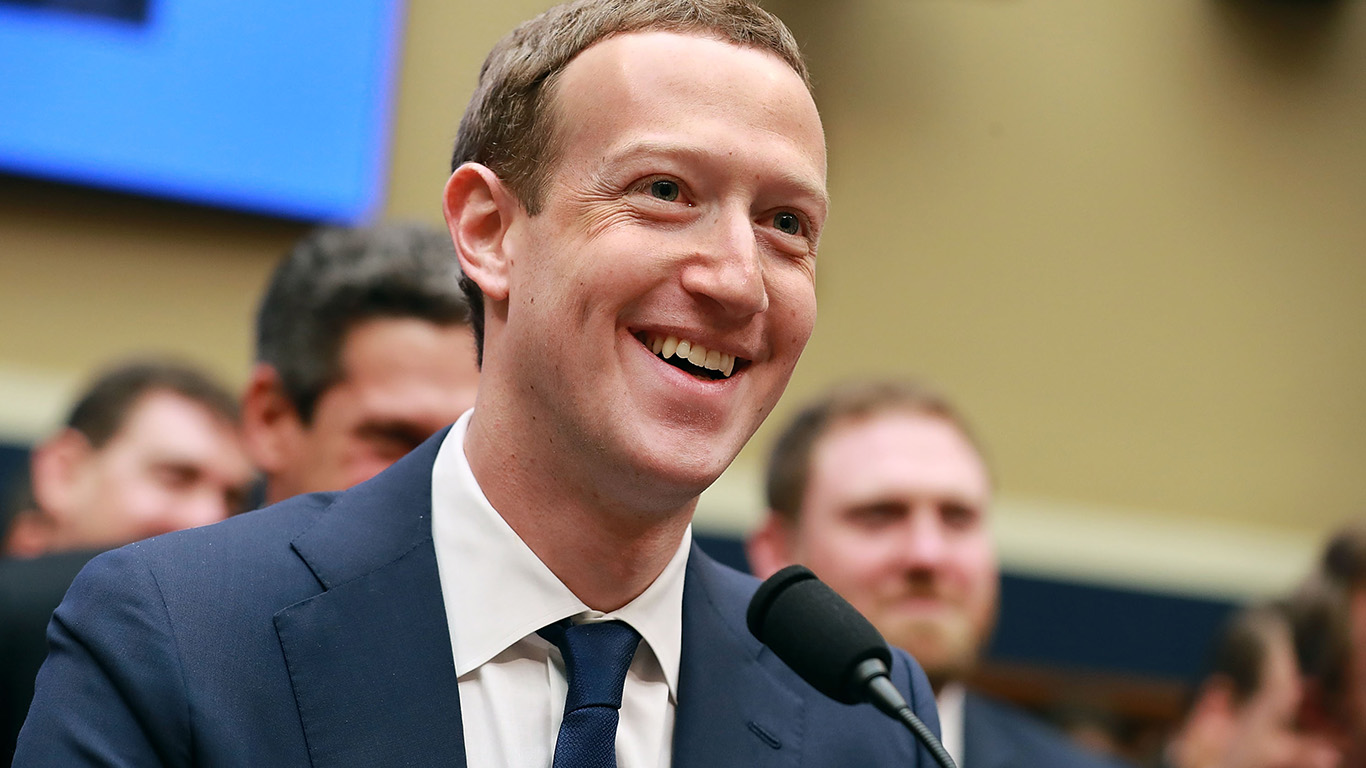
Meta’s earnings call makes the conflict clear. Zuckerberg said “consumer personal agents is going to end up being an extremely important and massive market” and that Meta wants to build a “business in a box service”. Muse is the wedge. Amazon runs the store. Those goals do not coexist quietly, especially since Meta signed a multibillion-dollar deal in April to run agentic AI workloads on Amazon’s Graviton chips.
Agentic Commerce Is the Next Real Battleground
Watch whether Amazon extends the Muse block into a formal policy against unidentified agents, following its Perplexity lawsuit and moves against Google and OpenAI shopping agents. On Meta’s side, the tell is whether Q3 guidance of $61B-$64B holds while capex climbs toward $130-$145B full-year.
All that capex has to power something, and the picks-and-shovels names behind the AI buildout are exactly what we mapped in a free report on seven AI infrastructure suppliers that aren’t chipmakers: here.
Why I Lean Amazon Until Meta Proves the Payoff
Amazon, up 8.04% YTD, monetizes AI today through AWS while defending the checkout page that funds everything else. Meta, up 18.09% YTD after a 14.05% one-week jump, asks investors to fund a stack that has to work for the numbers to make sense. I lean Amazon for stability. If Muse delivers agent-driven ad conversion at scale, I would revisit Meta quickly.
Contact [email protected] for any questions or corrections.
Alex Sirois is a financial writer with experience spanning both retail and institutional investing. He has written for InvestorPlace and held roles at BNY Mellon and Bernstein, giving him a perspective that bridges Main Street portfolios and Wall Street analysis.
Alex holds an MBA from George Washington University and has built his career across multiple industries, including e-commerce, education, and translation — a breadth of experience that informs how he breaks down complex financial topics for everyday investors. His writing is conversational, actionable, and grounded in long-term, buy-and-hold investing principles.
At 247 Wall St., Alex focuses on delivering analysis that is both accessible and useful, with a clear emphasis on helping readers make more informed decisions with their money.