Amazon Blocked Meta’s Shopping Bot, So Zuckerberg Cut A Deal With Amazon’s Biggest Rival
Amazon cut off Meta's shopping agent from its inventory, and within days Zuckerberg responded by announcing retail partners that conspicuously left Amazon off the list. The stock market noticed immediately, and not in Amazon's favor.


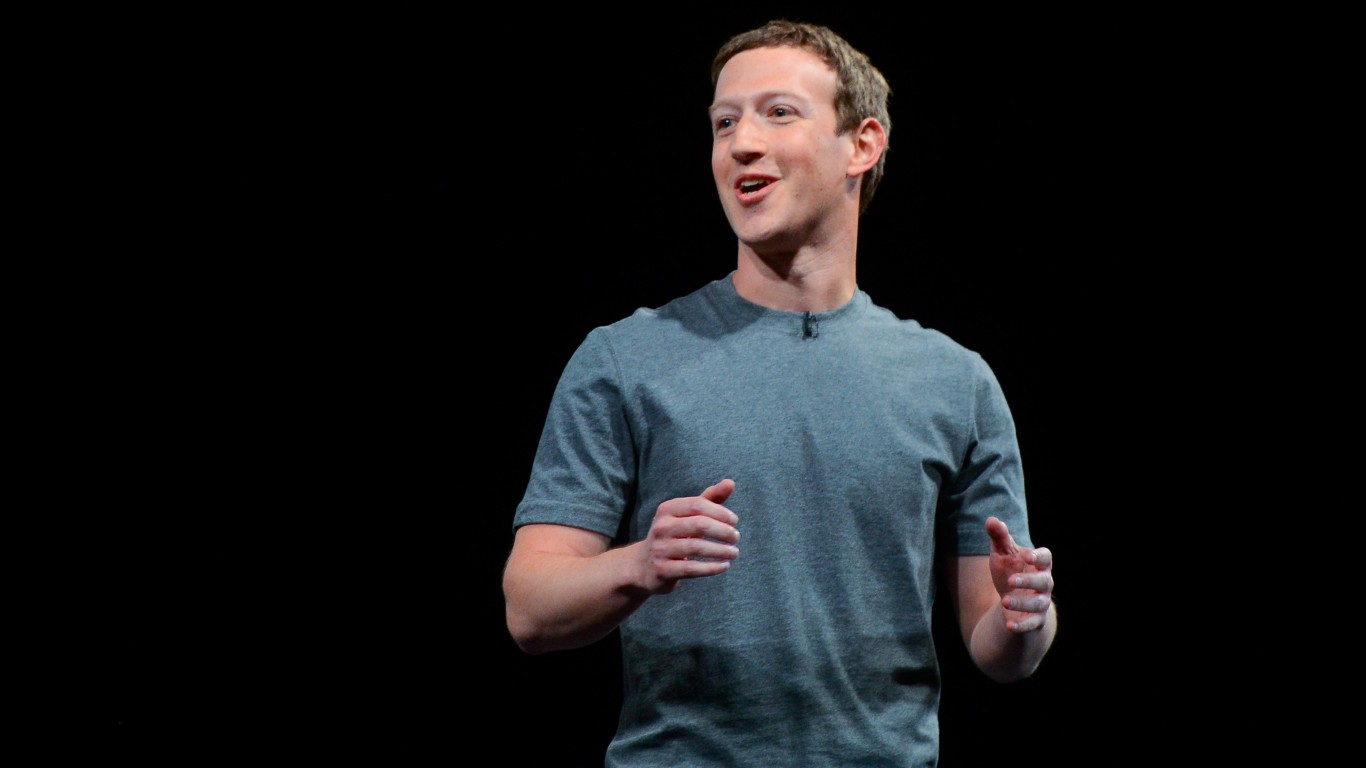
On September 21, an investor post that Chamath Palihapitiya amplified claimed Amazon had cut off Meta’s new Muse shopping agent from scraping its inventory, with Palihapitiya responding that he suspected everyone would start blocking everyone. Three days later, Mark Zuckerberg walked on stage at Meta Connect and named the retailers who will actually route commerce through Muse. Amazon was not among them.
Zuckerberg’s Counterpunch: Free Tokens, a Transaction Cut, and Walmart at the Register
On CNBC on September 24, Zuckerberg said Muse will be free for a large number of tokens, with Meta profiting by taking a small fee from transactions. The launch retail partners: Walmart, Wayfair, and Sephora. Meta did not disclose the fee percentage.
The commerce hook sits alongside a hardware push. Zuckerberg unveiled a keychain-sized device called Muse Charm, still in development, with a planned holiday launch, plus a $1,300 virtual reality headset and a portfolio of over 100 AI models by year-end. CNBC’s Julia Boorstin framed it as a race to beat OpenAI’s rumored consumer device to shelves.
Stocks Told the Story
Walmart (NYSE:WMT | WMT Price Prediction) rose 2.88% from the September 21 open to the September 23 close, while Amazon (NASDAQ:AMZN) fell 3.55% over the same window. Amazon shares were down 5.85% over the past month. Muse partner status has been an uneven signal for share prices. Wayfair, also on the list, was down 5.19% over the past week to $97.88.
Meta Platforms (NASDAQ:META) has been the runaway winner. Shares climbed 37.3% over the past month to $766.99, with Bloomberg Intelligence’s Mandeep Singh noting Meta had added $500 billion in market cap over three weeks since Muse launched. Reddit sentiment on r/stocks and r/wallstreetbets swung from neutral scores of 42 and 49 on September 21 to very bullish readings of 80 and 85 by September 22.
Why Amazon Has Every Incentive to Wall Off Muse
Amazon’s Q2 2026 report showed why it guards its funnel. Amazon Ads generated $19.8 billion of revenue, up 26% year-over-year, and CEO Andy Jassy said “Over 350 million customers have used” Alexa for Shopping in the last 12 months, with interactions up over 5x year-over-year. Jassy also flagged that shoppers who click a sponsored prompt convert 48% more often and spend 21% more. A third-party agent that intercepts product search before Amazon can monetize it directly threatens both the ads business and Rufus-style discovery. Amazon’s Q2 8-K lays out the operating leverage at stake, with operating income of $27.46B, up 43%.
Walmart Was Already Built for This Handoff
Walmart’s Q2 FY27 call on August 20, 2026 read like a Muse pitch deck. Global eCommerce grew 23%, U.S. marketplace sales rose 52%, and Walmart Connect advertising climbed 43%. CFO John David Rainey said “Digital is driving our growth, customer spend, and market share gains across all operating segments.” Walmart also reported 70% of e-commerce orders delivered same day or better, exactly the fulfillment backbone an agentic checkout needs.
What to Watch Next
The Muse funnel routes 3.60 billion daily active people on Meta’s apps toward partner checkouts, and Meta’s Q2 8-K shows $59.36B in advertising revenue and full-year capex guidance of $130-145B pointed at the infrastructure to support it. Three things worth tracking: whether Amazon publicly confirms the block terms, whether Meta ever discloses its transaction fee, and Boorstin’s flagged trust question, namely convincing users to grant Muse access to emails, calendars, and credit cards. Wayfair’s slide is the reminder that inclusion on Muse’s checkout list has yet to translate into share-price gains.
Contact [email protected] for any questions or corrections.
AJ spent 10 years writing about financial markets at The Motley Fool. His coverage centers on technology stocks and the broader macroeconomic trends, from interest rates to geopolitics, that shape where markets are headed next. AJ is drawn to the stories where big-picture economics and individual companies collide.