By 1932, The Dow Had Lost 90% Of Its Value. J. Paul Getty Called It ‘The Opportunity Of A Lifetime’ And Scooped Up Shares Of American Oil Companies. 25 Years Later, Fortune Named Him ‘The Wealthiest Living American.’
When the Dow collapsed and investors fled, one man saw something no one else wanted to see. What he did next with a few dollars and a contrarian bet took decades to fully unfold.

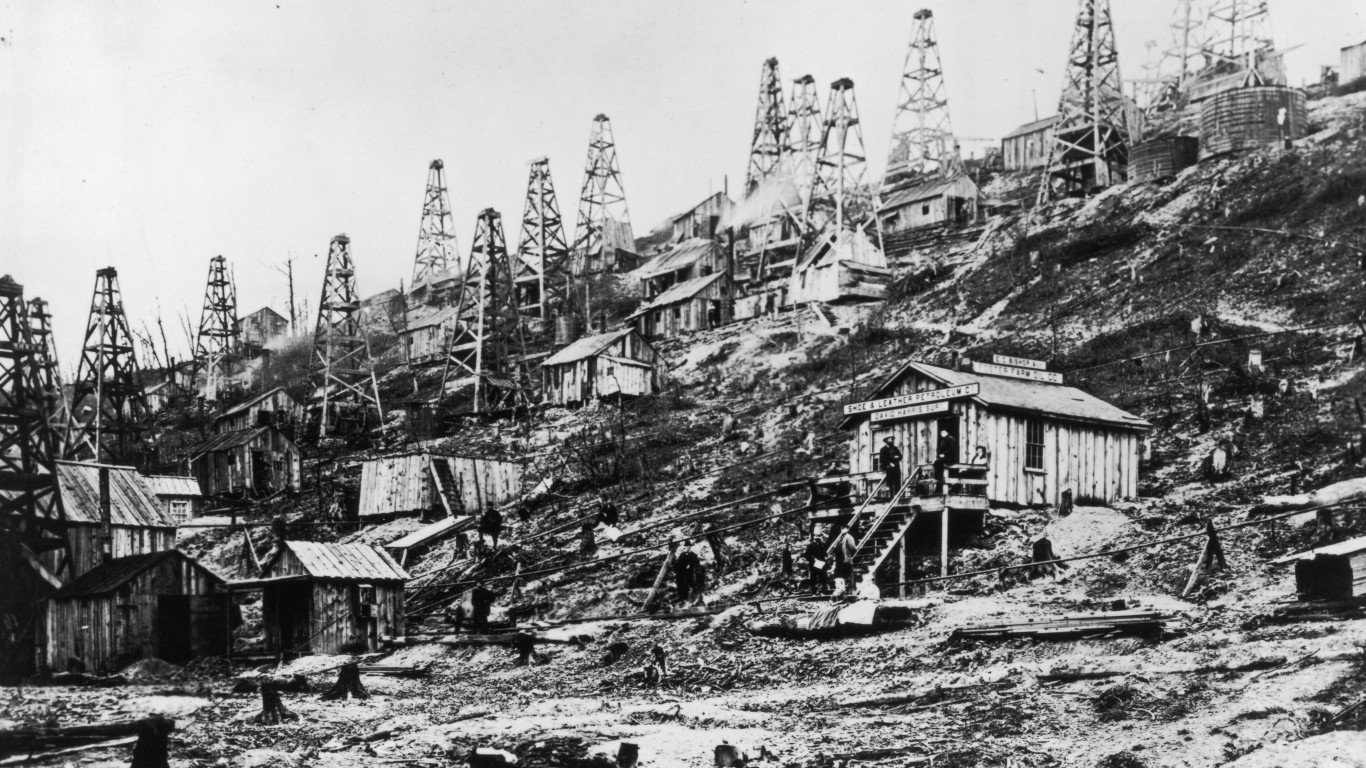
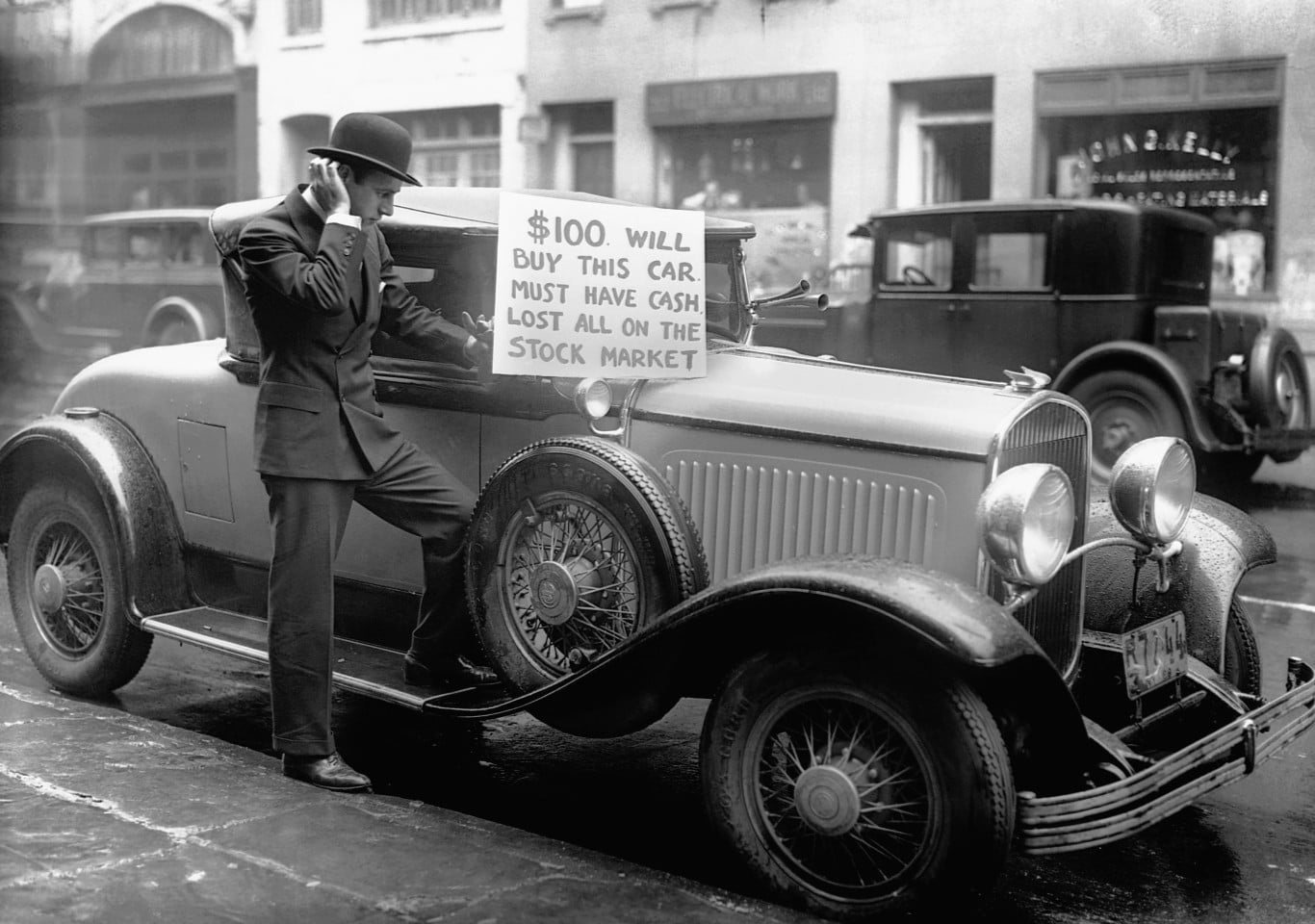
Per our editor’s brief, by 1932 the Dow Jones Industrial Average had fallen roughly 90% from its 1929 peak of 380, down to about 40. In practice, a decline of that depth meant most of the paper value built during the late 1920s had disappeared from brokerage accounts. Most investors responded by getting out. J. Paul Getty went the other way.
A Buyer in a Market Full of Sellers
Getty summed up his reading of the moment in a single sentence: “It is the opportunity of a lifetime to get oil companies for practically nothing.”
He acted on it. Per our editor’s brief, Getty bought shares of Tide Water Associated Oil Company, then the ninth-largest U.S. oil company, at $2.12 a share in 1932. He was taking a stake in one of the country’s larger oil businesses at a price set by a market still in retreat.
Per the brief, those shares traded above $20 a share by 1937. Our editor describes that move as roughly a tenfold return over five years. That characterization is our editor’s, and we have not independently verified it.
Brokers Over a Family Milestone
Per our editor’s brief, Getty missed his parents’ golden wedding anniversary during the crash to meet with brokers instead.
Patience as the Operating Principle
The Tide Water purchase was the opening move. Getty’s own description of how returns are earned points to what came after it: “The big profits go to the intelligent, careful and patient investors, not to the reckless and overeager speculator.”
Read alongside the 1932 buying, the line describes an investor who expected to be judged over years. The entry price was the first variable. Time, and what he did with the companies he acquired, supplied the rest.
A Quarter Century Between the Purchase and the Title
Per our editor’s brief, Fortune magazine named Getty the richest living American in 1957, twenty-five years after the 1932 purchase.
Those two events sit a quarter century apart, and the headline’s sequence can compress them. Getty spent that span building an oil business. The 1932 buying served as the foundation, and the structure on top of it came later, through years of acquiring, operating and holding.
How Large the Fortune Became
Per our editor’s brief, Guinness World Records estimated Getty’s fortune at $1.2 billion in 1966. Our editor’s research converts that figure to roughly $8.8 billion in 2024 dollars.
At his death in 1976, Getty was worth more than $6 billion. The same research converts that figure to roughly $26 billion in 2024 dollars. Both conversions are expressed in 2024 dollars, as our editor’s sourcing states them.
Why Getty’s Record Is So Specific
Getty made a focused commitment to specific companies in one industry at one moment, and he held for a generation. That is a very different thing from a general rule that crashes should be bought. Getty is the example that worked, and he is remembered precisely because most people who tried to buy into that particular collapse are absent from the history books (we studied a batch of more recent opportunities most investors ignored and pulled the pattern into a free report here). His record describes one investor, one sector and one decision carried through decades of ownership, and it belongs in that context.
From Two Dollars to a Magazine’s Verdict
In 1932, a man bought oil shares for $2.12 while the market was still falling. In 1957, a magazine named him the richest living American. Twenty-five years separate the two.
Contact [email protected] for any questions or corrections.
AJ spent 10 years writing about financial markets at The Motley Fool. His coverage centers on technology stocks and the broader macroeconomic trends, from interest rates to geopolitics, that shape where markets are headed next. AJ is drawn to the stories where big-picture economics and individual companies collide.