A NASA Engineer’s Bathroom Experiment With a New Kind of Heat Pump Accidentally Created a Children’s Toy That Generated Over $1 Billion in Sales. This Is the Wild Story of How Lonnie Johnson Invented the Super Soaker.
A NASA engineer testing a homemade heat pump in his bathroom stumbled onto an invention worth a billion dollars in retail sales, but getting his fair cut required something the patent alone could never guarantee.


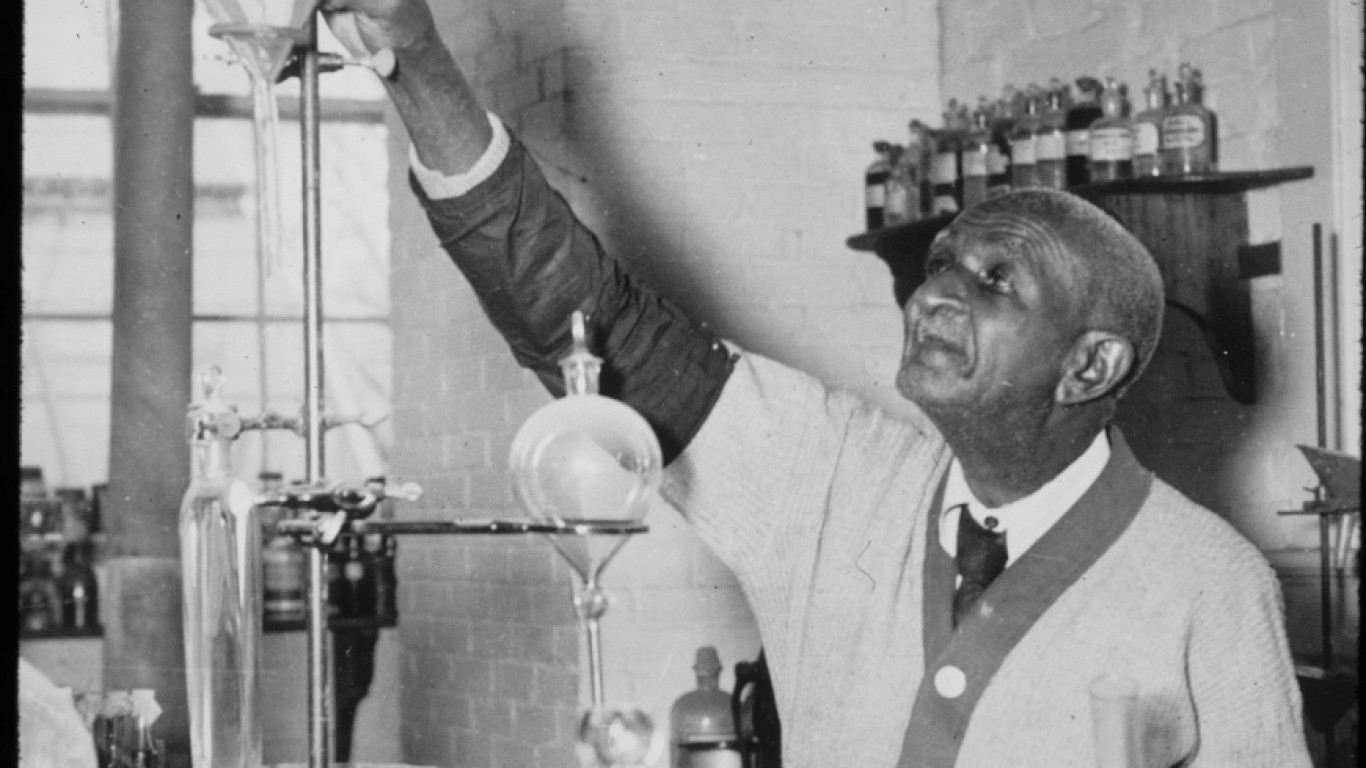
Lonnie Johnson is an American engineer whose career ran through the US Air Force and NASA, with work connected to the Galileo mission to Jupiter and to stealth bomber technology. He was doing serious government aerospace engineering, the kind of work measured in mission windows and radar cross-sections, when the idea that would define his public legacy arrived. It arrived in his bathroom.
A Heat Pump Experiment That Sprayed Across the Sink
Johnson had been tinkering with a new kind of heat pump, and the pressurized-water mechanism he built for that project turned out to be the basis for a powerful water gun. All That’s Interesting has reported that Johnson accidentally invented the Super Soaker while working for NASA, and the setting matters. An engineer whose day job touched interplanetary spacecraft and stealth aircraft pointed a homemade pressure nozzle at his bathroom wall and recognized something a toy designer would have needed years to reach.
Recognition is one thing. Manufacturing is another.
Why He Had to License It Away
Johnson lacked the capital to bring the invention to market himself, so he licensed the patent to Larami Corporation, which was later acquired by Hasbro (Hasbro, NASDAQ: HAS). That single fact explains the entire commercial arc that followed. An engineer with the technical ability to build the thing, and without the money to tool a factory, has one real option, which is to license and accept somebody else’s terms.
Under the Larami deal, the product launched as the Super Soaker and became a cultural fixture. It is widely recognized as one of the best-selling water toys ever made and was later inducted into the National Toy Hall of Fame. You can see its entry at the Strong National Museum of Play.
Billion-Dollar Number, and What It Actually Means
Per Johnson’s own statements to Forbes, Super Soaker sales topped $1 billion between 1992 and 1995 alone. Read that carefully. The $1 billion figure represents product sales revenue at the register over that window, meaning gross receipts from consumers. Johnson himself collected royalties on those sales, a different and much smaller figure. The exact royalty rate and the total lifetime payout from the original licensing deal have never been publicly disclosed.
That distinction is the one most readers miss when they hear the headline number, and it sets up everything about the litigation that came later.
2016 Judgment That Made the Story Precise
In 2016, Johnson won a $72.9 million judgment in a lawsuit against Hasbro over unpaid royalties covering the period from 2007 to 2012. That figure carries two independent signals for anyone thinking about how inventor economics actually work.
First, the royalty stream on the Super Soaker was still large enough well after the 1990s peak to support a nine-figure claim on a five-year window. The product was still generating meaningful money for its inventor long after the toy-aisle heyday. Second, the fight itself is the point. Even a licensing arrangement that worked, on a product that sold as well as this one did, required a court judgment for the inventor to actually collect what he was owed. The case is frequently cited in patent-law and inventor-rights discussions for exactly that reason.
What He Has Kept Building
Johnson has continued inventing beyond the Super Soaker, with work extending into advanced battery technology. That side of his career sits well outside the toy aisle and points back toward the kind of engineering he was doing before a bathroom accident briefly rerouted him.
How Inventors Actually Get Paid
The engineering that made the toy work came from a heat pump. The fortune came from a licensing deal Johnson took because he could not afford the alternative. And the full value of that deal only arrived after he sued for it. Accidental discovery, constrained licensing, and then a fight to get paid, in that order, describes how a working inventor’s money actually shows up more accurately than any version in which a great idea simply prints checks.
Contact [email protected] for any questions or corrections.
AJ spent 10 years writing about financial markets at The Motley Fool. His coverage centers on technology stocks and the broader macroeconomic trends, from interest rates to geopolitics, that shape where markets are headed next. AJ is drawn to the stories where big-picture economics and individual companies collide.