Clorox Just Raised Its Dividend Again. Can Earnings Keep Up?
Clorox has raised its dividend for decades, but a cratering stock price, a payout ratio management calls elevated, and a debt load that ballooned after two major deals raise a pointed question about whether that streak survives fiscal 2027.

This post may contain links from our sponsors and affiliates, and Flywheel Publishing may receive compensation for actions taken through them.
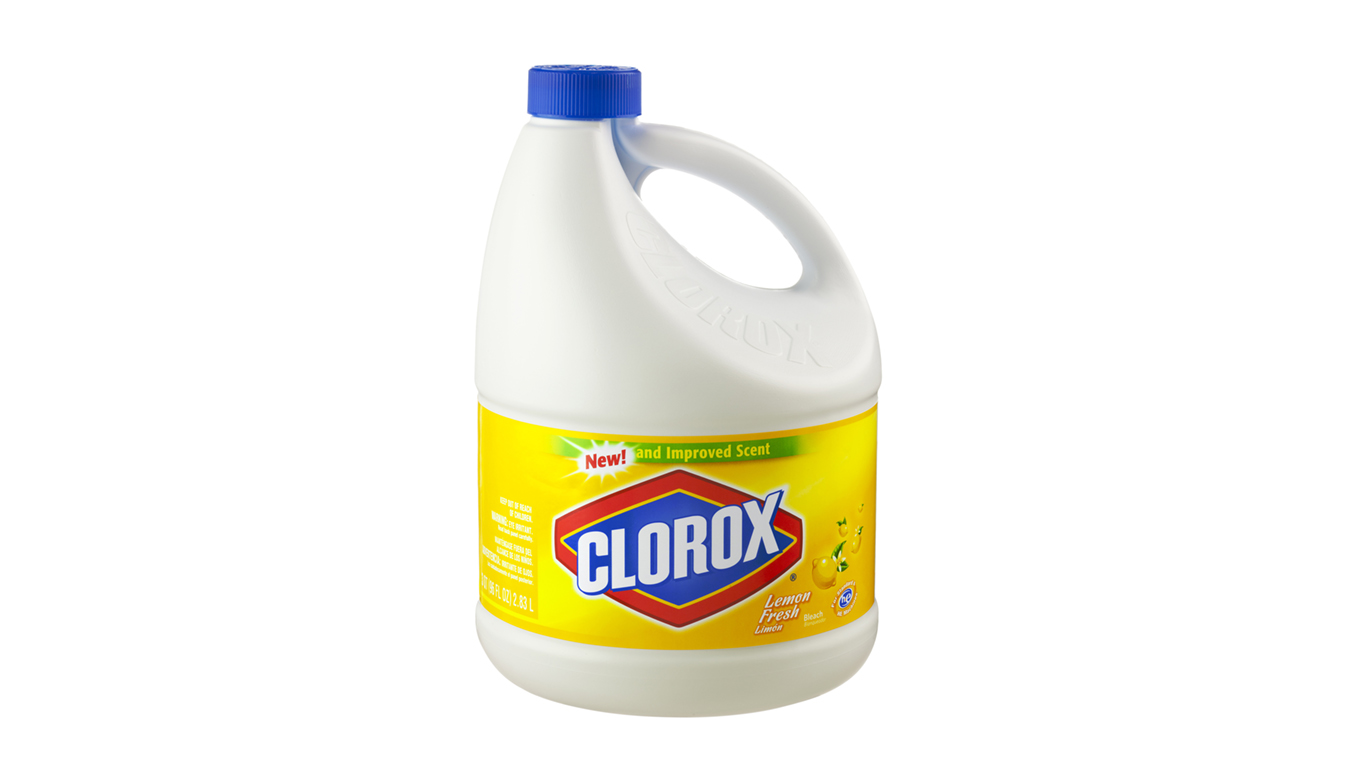
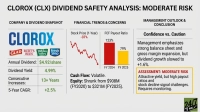
Clorox (NYSE:CLX | CLX Price Prediction) just nudged its quarterly payout again, lifting the rate from $1.24 to $1.25 per share on a dividend declared July 31 and paid Aug. 28. That takes the annualized forward rate to $5. The dividend record shows annual increases stretching back decades, with the quarterly rate climbing from 50 cents in 2010 to today’s level. On the fourth-quarter call, CFO Luc Bellet told investors the “dividend has increased annually for a decade, and for now you should expect this to continue.”
The question is whether the earnings engine underneath still supports the climb.

Why the Bear Case Has Teeth Right Now
Start with the stock. CLX traded around $82.53 on Friday, Sept. 25, down nearly 33% over the past year and 21.35% in the past month alone. Fiscal 2026 adjusted EPS landed at $5.53 on revenue of $6.72 billion, down 5.41% year over year. Net income fell 27.53% and operating cash flow dropped 37.61% to $612 million. Q4 gross margin contracted 520 basis points to 41.3%, hit by GOJO inventory step-up charges, higher commodity costs and the lap of last year’s ERP shipment surge.
Leverage is heavier, too. Total liabilities jumped to $7.54 billion, up 48.49%, after the GOJO Industries acquisition closed April 1, and Clorox paid a $476 million termination payment to buy out Procter & Gamble’s stake in the Glad JV. Cash sits at just $143 million, and fiscal 2027 interest expense is guided to roughly $210 million.
The payout ratio has crept up accordingly. Management pegged it at approximately 85% of net earnings, which Bellet acknowledged is “a bit elevated” versus staples peers. When a yield gets fat because the market doubts coverage, the warning signs are worth knowing cold (we listed the seven biggest ones in a free dividend trap guide).

How Clorox Stacks Up Against the Staples Aristocrats
Peers offer useful context. Procter & Gamble (NYSE:PG), the mega-cap benchmark and a Dividend King, runs a payout ratio closer to 60% with a fortress balance sheet. Church & Dwight (NYSE:CHD), a closer size comp in household and personal care, carries less leverage and a lower yield. Clorox now offers a 6.06% dividend yield, well above both, which is exactly what the market prices when it doubts coverage.
What Management Is Doing About It

CEO Linda Rendle framed fiscal 2027 as a recovery year. “We’re entering fiscal year 2027 from a stronger position than we started fiscal year 2026,” she said. Guidance calls for adjusted EPS of $5.70 to $6.00, net sales up 13% to 14%, organic growth of 3.5% to 4.5%, and gross margin around 42%. Free cash flow is targeted at 11% to 13% of sales.
The headwinds are real. Bellet told analysts: “We expect fiscal year 27 inflation to be above $200 million”, roughly double the company’s historical $75 to $100 million range, with recovery weighted to the back half.
He added that the elevated payout is “more transitory as we rebuild our gross margin and not something structural.”
Straight Read on Dividend Coverage
At the midpoint of guidance, adjusted EPS covers the $5 annualized dividend with limited cushion. Operating cash flow of $612 million against capex of $207 million still funds the payout, and GOJO is now accretive to adjusted EPS in fiscal 2027 rather than dilutive. The dividend looks sound for now. What would change that read: a second consecutive year of gross margin below 42%, free cash flow slipping under the 11% floor, or a sustained failure to reclaim share in Litter and Household. Until then, Clorox is threading the needle, and Rendle is asking investors to trust the back half.
Contact [email protected] for any questions or corrections.
Joel South covers large-cap stocks, dividend investing, and major market trends, with a focus on earnings analysis, valuation, and turning complex data into actionable insights for investors.
He brings more than 15 years of experience as an investor and financial journalist, including 12 years at The Motley Fool, where he served as an investment analyst, Bureau Chief, and later led the Fool.com investing news desk. He has also co-hosted an investing podcast and appeared across TV and radio discussing market trends.