SpaceX Successfully Launches ‘Most Powerful Rocket Ever Made’ From Starbase, Texas. The Stock Price Did Not React Much
Starship reached orbit for the first time after 13 suborbital attempts, but investors tracking SPCX on launch day found the market's reaction far quieter than the rocket's 100-gigawatt liftoff. Here is what still has to go right before the mission…

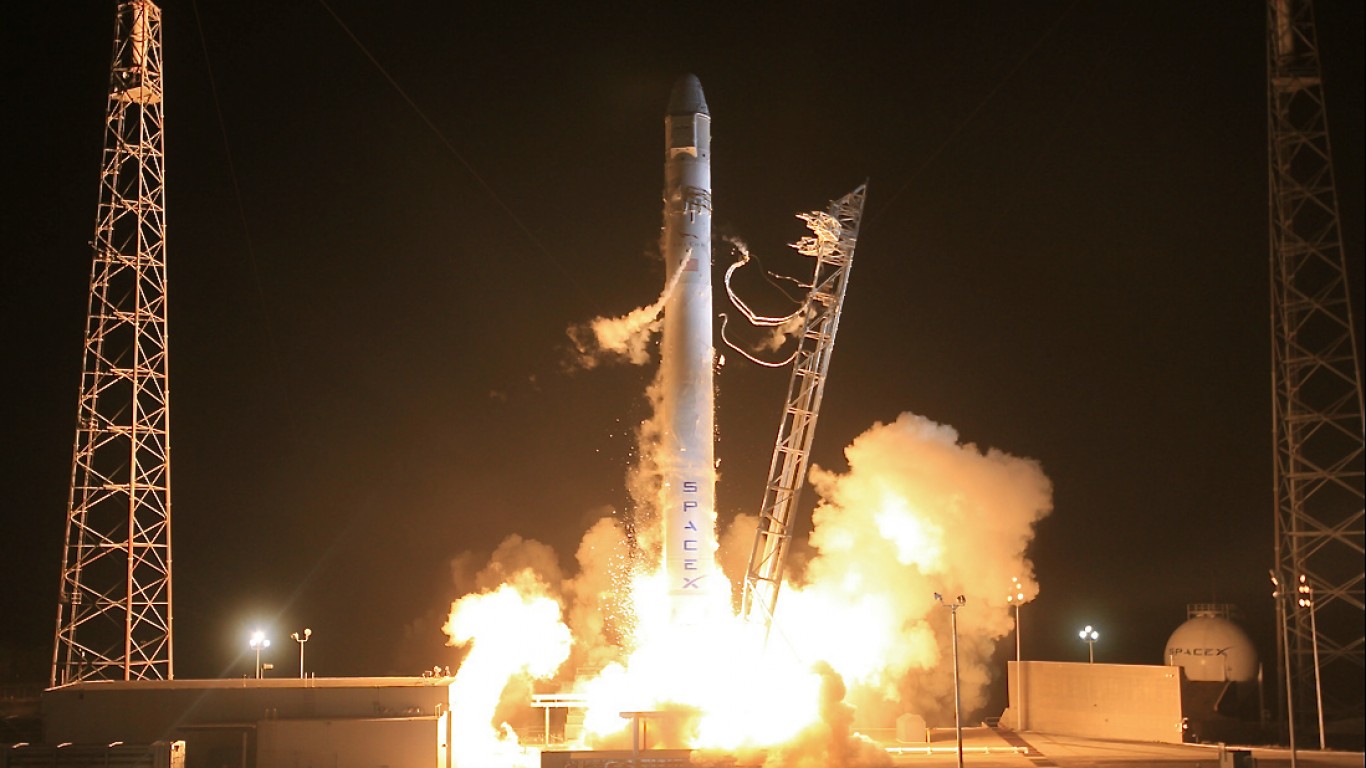
SpaceX’s Starship reached orbit this morning. SpaceX (NASDAQ:SPCX | SPCX Price Prediction) launched the rocket from Starbase, Texas on September 28, 2026, with liftoff at 8:49 a.m. EDT, according to Space.com. Reuters reported that Starship launched on its 14th flight, the first headed to orbit. NPR called it the first orbital mission from Texas. CNBC reported that SpaceX launched Starship into orbit for the first time, and the Houston Chronicle reported the vehicle reached orbit for the first time after years of testing.
CNN called Starship the most powerful rocket ever made. Elon Musk said the Raptor engine is “by far the best rocket engine ever made” and that “on liftoff, the rocket is generating over 100 gigawatts of power.”
Why Flight 14 Rewrites the Starship Timeline
SpaceX calls this mission Starship Flight 14. The previous 13 Starship flight tests were all suborbital, making this the vehicle’s first attempt at an actual orbital trajectory.
A suborbital flight climbs into space but lacks the sideways velocity to stay there. An orbital flight reaches enough horizontal speed to keep falling around the planet. Today’s flight is the first to aim for orbit.
Inside the Ten-Hour Mission Profile
Per CNN and Space.com, the flight follows a roughly ten-hour profile deploying 26 operational Starlink V3 satellites. SBS separately reported the mission involves deploying 26 Starlink V3 satellites. Space.com reported that Ship 41 reached orbital insertion at roughly 170 miles altitude at T+25 minutes, and satellite deployment began about 34 minutes after liftoff.
CNN reported that both the Super Heavy booster and the Starship upper stage are aiming controlled ocean splashdowns on this flight, with no landing or tower catch attempt.
Space.com reported that one Raptor 3 engine on Ship 41 shut down unexpectedly during ascent, and the vehicle adjusted and continued its burn. Forth.News separately reported that Starship reached orbit despite an engine issue.
Heat Shield Test Still Ahead
CNN reported that three of the 26 satellites were fitted with cameras to scan Starship’s heat shield during reentry. SpaceX’s statement reads: “Three of the satellites have been modified with a suite of cameras to scan Starship’s heatshield and transmit imagery down to operators to continue testing methods of analyzing Starship’s heatshield readiness for return to launch site on future missions.”
The splashdowns and heat shield data are still ahead. Only the launch and orbital insertion are confirmed.
Reusability remains the central question for Starship’s economics. SpaceX’s second-quarter 8-K filing says the company continues investing in Starship to reduce the cost to orbit by 99% or more, a goal that depends on flying the same hardware again. The earliest answer from this flight arrives later today.
How SPCX Is Trading on Launch Day
SpaceX stock traded at $149.80 as of 9:43 a.m. ET on September 28, 2026, up 0.75% on the session. The fuller picture: shares are down 1.91% over the past week and up 7.28% over the past month. The stock is down 6.93% since June 12, 2026, which is as far back as our price history for SPCX goes. Investors can track company updates on the SpaceX investor relations site.
Moon Deadlines Raise the Stakes
CNN reported that SpaceX is under pressure to get Starship flight-proven ahead of NASA’s Artemis IV crewed lunar landing aiming for 2028.
What Starship Still Has to Prove
Reaching orbit answered a question SpaceX had left open across 13 previous flights. Bringing the vehicle back intact, repeatedly, is a separate question, and the cameras on those three satellites exist because SpaceX does not yet have the answer. The splashdowns and heat shield imagery later in the ten-hour profile are the next data points for anyone following the stock.
Contact [email protected] for any questions or corrections.
AJ spent 10 years writing about financial markets at The Motley Fool. His coverage centers on technology stocks and the broader macroeconomic trends, from interest rates to geopolitics, that shape where markets are headed next. AJ is drawn to the stories where big-picture economics and individual companies collide.