Nio Slides 4% as Geely Takes 30% Stake in Nio Power Unit; XPeng Drops 4%, Tesla Slips
Geely just grabbed a major stake in the one asset that sets Nio apart from every other electric-vehicle maker, and investors are pushing back hard. Whether that reaction reflects a real loss or a misread opportunity depends on a strategic…


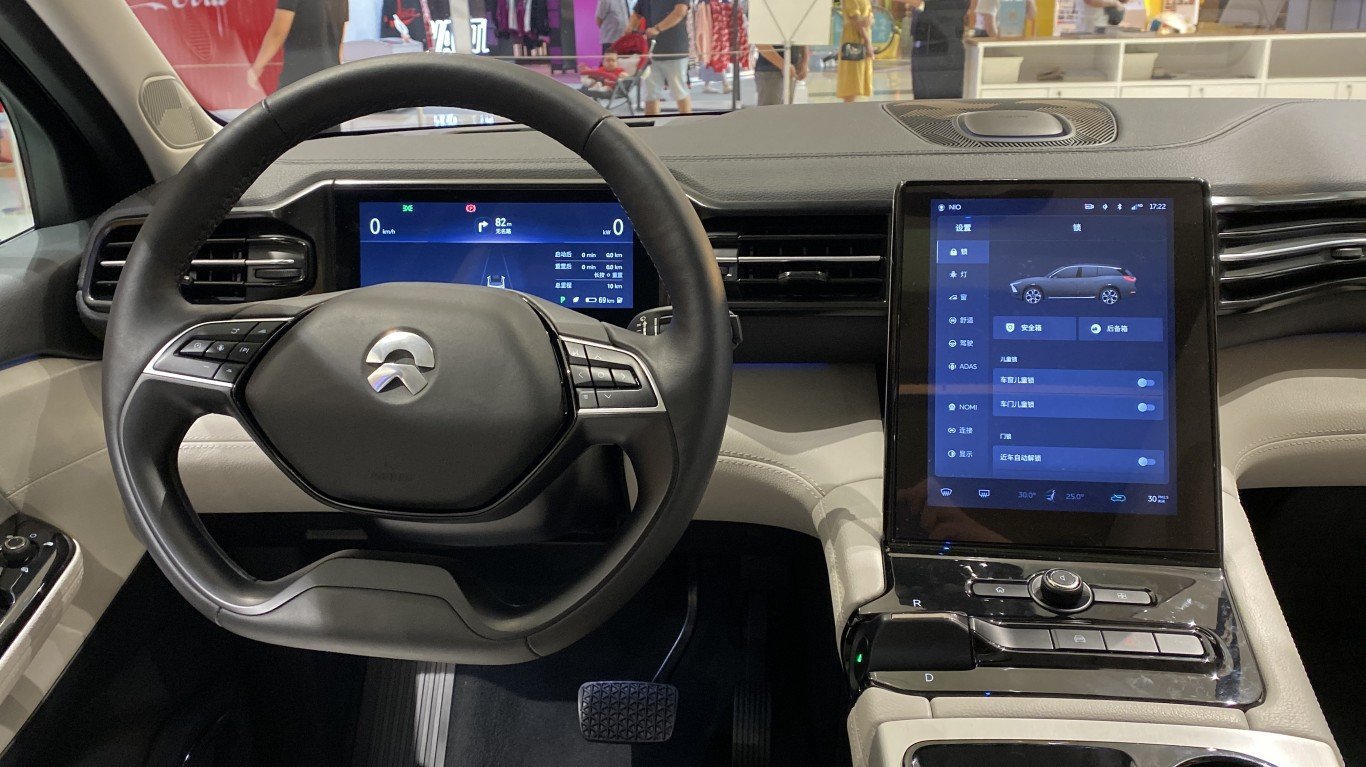
Chinese electric-vehicle maker Nio (NYSE:NIO | NIO Price Prediction) signed a partnership that extends its battery-swap reach, yet the news is weighing on Nio shares. Nio stock is down 4% to $3.43, a reaction to a deal that changes ownership of the company’s most distinctive asset. In the agreement Nio announced, Geely Holding Group receives a 30% stake in Nio Power, the company’s battery-swap and charging subsidiary.
Across the market, the SPDR S&P 500 ETF Trust (NYSEARCA:SPY) is practically unchanged, leaving Nio and other Chinese electric-vehicle names as clear laggards. Similarly, fellow Chinese automaker XPeng (NYSE:XPEV) is down 4% to $9.52, sliding in sympathy with Nio.
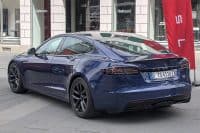
Notably, Tesla (NASDAQ:TSLA) is down 1% to $352.87, holding comparatively steady while Nio and XPeng retreat sharply. That split points to pressure centered on China’s electric-vehicle complex, with Tesla avoiding the selloff. For a wider lens on the theme, the Global X Autonomous & Electric Vehicles ETF (NASDAQ:DRIV) tracks a global basket of automakers, suppliers and technology names. Those are tied to the trend, including Tesla; the DRIV fund is unchanged at $33.22.

Geely Deal Opens Nio Power to Rivals
Monday’s signing ceremony formalized a battery-swap and charging partnership between Nio and Geely Holding Group. Under the agreement, Geely is contributing its Yiyi Power business along with cash in exchange for its stake, while Nio China keeps a controlling interest in Nio Power. In a reciprocal step, Nio China is taking a minority stake in Geely’s Haohan Energy charging business.
Together, Nio and Geely plan to connect the two charging networks and jointly develop battery-swap technology and common standards for passenger vehicles. Geely also stated it will build consumer models able to use Nio Power’s swap network. Nio’s chief executive added at the signing that the arrangement is open to other automakers.
Dilution Risk Versus a Busier Swap Network
The bearish reading of Nio centers on dilution. Handing Geely a large minority stake in Nio Power means Nio gives up part of the asset that most separates the company from other electric-vehicle makers, and that trade-off gives holders of Nio stock a concrete reason for caution, since Geely now owns a meaningful interest in the direction of the swap business.
A more bullish reading of Nio flips that logic. According to Nio’s chief executive, most of the electricity delivered through the company’s charging network already goes to drivers of other brands. The system may be worth more shared than owned fully. Geely’s help funding the expansion also removes capital Nio would otherwise have to raise on its own.
Beyond Geely, Nio’s chief executive made a broader case that automakers should converge on common infrastructure and pool what would otherwise be overlapping networks. Wider adoption by other brands could turn Nio Power into a busier, better-utilized system, spreading its fixed costs across more drivers.
Why XPeng Falls and Tesla Holds
XPeng sits outside the Geely agreement, yet XPeng shares are sliding alongside Nio. That sympathy move in XPeng stock reflects broader sentiment toward China’s electric-vehicle makers, where a strategic shift at one company can ripple through the sector. For XPeng holders, the Nio news raises fresh questions about how domestic rivals fund costly charging infrastructure.
Nio remains the name with the most at stake, since Nio Power is the company’s proprietary battery-swap network and the core of its pitch to drivers. Any change in how Nio Power is owned or run touches that core directly, which may help explain why the decline is steepest in Nio stock.
What to Watch Next
Given how quickly Chinese electric-vehicle stocks can swing on a single headline, holders of Nio shares would do well to size their positions modestly and match them to their own risk tolerance. A diversified fund such as the Global X Autonomous & Electric Vehicles ETF may be worth researching for those who prefer to spread their exposure across the wider theme.
Contact [email protected] for any questions or corrections.
David Moadel is financial writer specializing in stocks, ETFs, options, precious metals, and Bitcoin. David has written well over 1,000 articles for leading online publications, helping investors understand markets, income strategies, and risk.His work has appeared in The Motley Fool, InvestorPlace, U.S. News & World Report, TipRanks, ValueWalk, Benzinga, Market Realist, TalkMarkets, Finmasters, 24/7 Wall St., and others.With a master’s degree in education, David has taught at the elementary, high school, and college levels. That teaching background shapes his writing style: clear, educational, and practical. David has also built a loyal social-media audience by providing trustworthy financial content on YouTube, X/Twitter, and StockTwits.